Technology & innovation

This archive covers technology and innovation breakthroughs that improve lives, protect the environment, and expand human possibility. From medical devices to clean energy tools, the stories here focus on what’s working and who’s making it happen.

neenu vimalkumar unsplash, for article on invention of fireworks

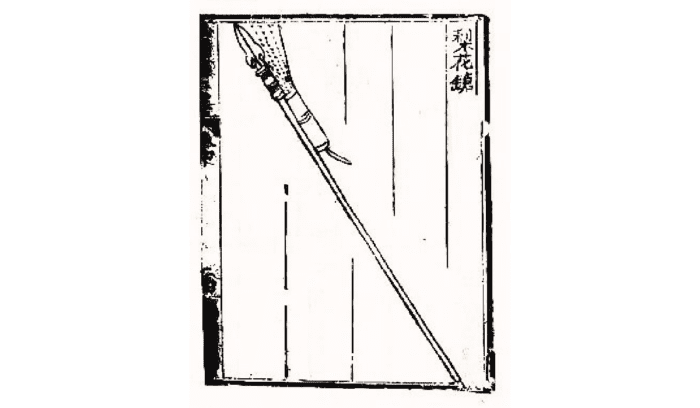
China’s gunpowder discovery sparks the invention of fireworks

Fireworks trace back to Tang Dynasty China, sometime around the 9th century, when alchemists chasing an elixir of immortality stumbled onto gunpowder instead. By the Song Dynasty, artisans were rolling paper tubes of charcoal, sulfur, and saltpeter into the first true fireworks, sold in open markets. A happy accident that became one of humanity’s most shared spectacles.

Irrigation canal at sunset, for article on early irrigation systems

Early civilizations independently develop irrigation, transforming how humans grow food

Irrigation emerged around 6,000 years ago in at least four corners of the world at once — Mesopotamia, Egypt, the Indus Valley, and China — with farmers in each place learning to channel rivers onto dry fields. Along the Tigris and Euphrates, the earliest known canals redirected water into otherwise barren land. It’s one of history’s clearest cases of parallel invention.

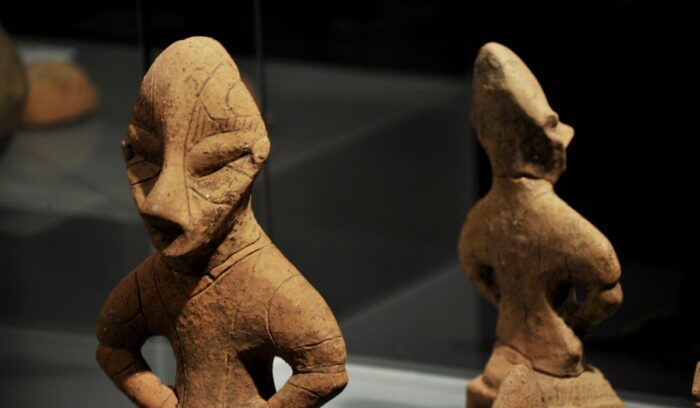
Vinča culture figurine, for article on Vinča symbols

Vinča culture leaves behind mysterious symbols that may predate writing

Vinča symbols, etched into pottery and figurines across Southeastern Europe some 6,000 years ago, remain one of prehistory’s most intriguing puzzles. Archaeologists have catalogued more than 5,400 signs from over 150 sites, yet no one has deciphered them. Whatever drove these Neolithic farmers to mark their world, it wasn’t bureaucracy — it was something more human.

Baby and mother holding hands, for article on cesarean birth survival

Jacob Nufer performs the first recorded cesarean birth with both mother and baby surviving

Cesarean birth survival entered medical memory around 1500 C.E., when a Swiss pig gelder named Jacob Nufer reportedly opened his wife’s abdomen after days of failed labor — and both lived. The story, written down 82 years later by a surgeon with an agenda, may be embellished, but it gave European medicine something powerful: proof that survival was even imaginable.

Glass vessels, for article on early glassmaking

Early glassmaking emerges in Mesopotamia and Egypt, transforming human material culture

Glassmaking began around 3500 B.C.E., when artisans in Egypt and Mesopotamia learned to fuse sand into small beads and amulets — the first time humans created glass rather than chipping it from volcanic stone. Hollow vessels followed a thousand years later, opening a craft that would eventually give us windows, lenses, and the instruments of modern science.