World’s first community of 3D printed homes is set to house poor families in Mexico
The 50 built-to-last homes located in rural Tabasco, Mexico will be granted to local families currently living in extreme poverty and makeshift, unsafe shelter.
This archive covers technology and innovation breakthroughs that improve lives, protect the environment, and expand human possibility. From medical devices to clean energy tools, the stories here focus on what’s working and who’s making it happen.
The 50 built-to-last homes located in rural Tabasco, Mexico will be granted to local families currently living in extreme poverty and makeshift, unsafe shelter.
The system will give people suffering from epilepsy warning that a seizure is imminent, enabling them to take medication—or alert a friend, relative or medical professional.
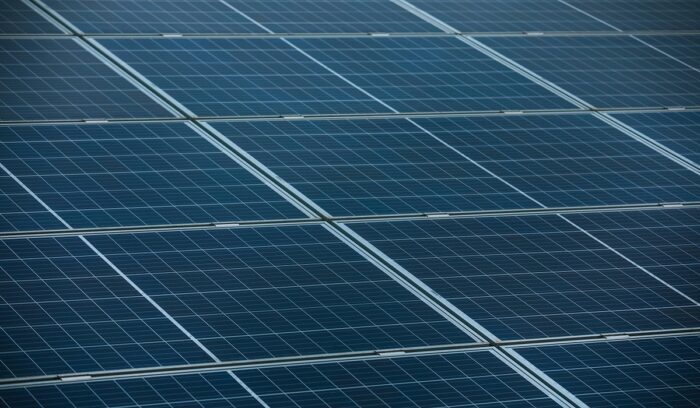
With their technology, concentrated solar energy can now create the extreme heat required to make cement, steel, glass and other industrial processes – replacing fossil fuels in a heavy carbon-emitting corner of the economy.
This according to the company will allow the Ministry to monitor visits, ratings, reviews and more, which can then be used by the Ministry to take necessary action to maintain and upgrade toilets.
SmartThings Energy Control’ helps people with smart meters monitor their energy use in (almost) real-time from the convenience of their smartphone or tablet.
These LED streetlights have helped the country to reduce its greenhouse gas emission by 4.63 million tonnes annually.
Recycling the thermal energy from solar cells using carbon nanotube technology could increase the efficiency from 22% to 80% according to the researchers.
Around the globe, prices are falling and India is now producing the world’s cheapest solar power, according to an IRENA survey.
Germany is testing a eHighway system with a hybrid truck receiving power from cables to keep it from using its combustion engine.
Scientists at Washington State University say they have developed an experimental foam made primarily from nanocrystals of cellulose – the most abundant plant material on earth.