
California grid sets record, with 67% of power from renewables
Overall, renewables accounted for 42 percent of the California grid’s power on Saturday, not counting the large hydropower plants.
This archive tracks real progress on sustainability — from clean energy adoption and circular economy breakthroughs to policy wins and community-led conservation efforts. Each story focuses on what’s working, where, and why it matters for the long-term health of people and the planet.
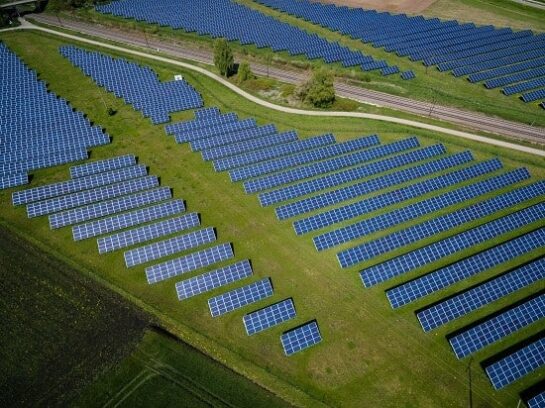
Overall, renewables accounted for 42 percent of the California grid’s power on Saturday, not counting the large hydropower plants.

Slowing coal use in China and India has put the two most populous countries on a trajectory to beat their carbon emissions goals under the Paris Agreement, making up for rollbacks in U.S. climate action under the Trump administration

Egypt has committed to increase its share of renewables in the country’s power mix to 20 per cent by 2022 and 37 per cent by 2035.

Multinational supermarket Tesco has pledged to source all of its electricity from renewables by 2030 in addition to cutting its emissions by 60 per cent by 2025.

Germany breaks a daily record for renewable energy, generating 85% of its power from renewable sources on April 30.
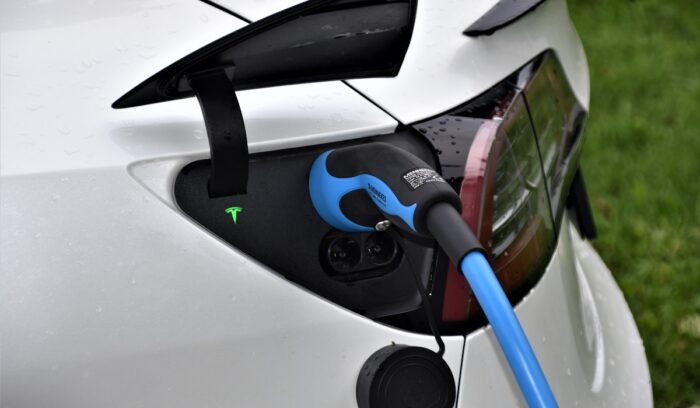
“We are going to introduce electric vehicles in a very big way,” coal and mines minister Piyush Goyal said at the Confederation of Indian Industry Annual Session 2017 in New Delhi.

Iceland currently runs on 100% renewable energy, making them a global leader in the fight against climate change.

The company’s namesake brand Gap announced a new commitment to obtain 100% of its cotton from more sustainable sources by 2021.
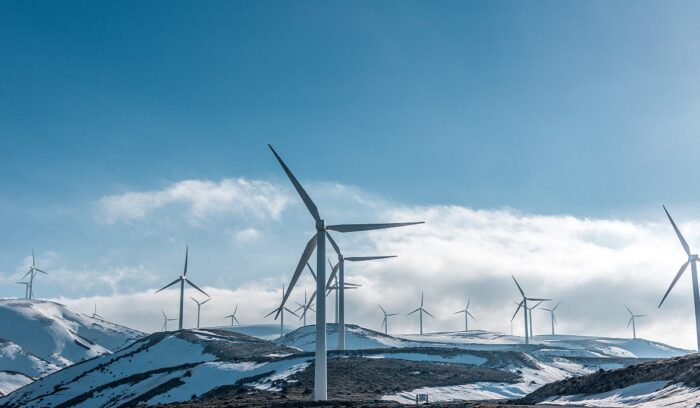
In the first quarter of 2017, China’s installed wind capacity increased by 13 percent compared to the same period last year, bringing the country’s cumulative capacity to 151 gigawatts (GW).

Atlanta City Council unanimously approved a measure Monday establishing a community-wide goal of transitioning 100 percent to renewable energy by 2035.