
U.K. bans plastic microbeads in effort to protect marine life
Manufacturing ban means the tiny beads which harm marine life can no longer be used in cosmetics and personal care products
This archive collects 524 stories about sustainability milestones — from renewable energy gains and regenerative agriculture to plastic reduction and corporate accountability. Each piece focuses on what’s working, who’s driving it, and how far it’s come. If you follow environmental and economic progress, this is a reliable place to track it.

Manufacturing ban means the tiny beads which harm marine life can no longer be used in cosmetics and personal care products

Norway crossed an electric vehicle milestone in 2017, with more than half of its new vehicle registrations coming from electric vehicles. The country has a plan to phase out new gas-powered cars by 2040.

The Temer government claims the decision is a response to intense resistance from environmentalists and indigenous groups
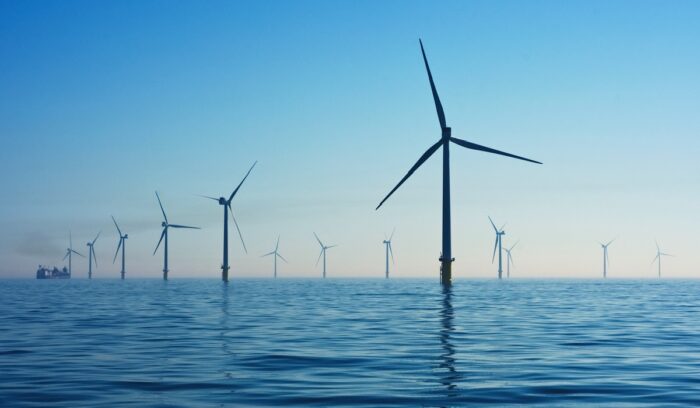
A new deal calling for further cooperation in the offshore wind energy sector has been signed by the US and Denmark, thanks to a fairly positive view of wind energy within the Trump Administration, according to recent reports.

Fiji has become the first emerging market to issue a sovereign green bond, raising 100 million Fijian dollars, or US$50 million, to support climate change mitigation and adaption.

The resolution, unanimously approved by the legislative body, tasks the city with developing a plan by December 2018 to wean itself off fossil fuels.
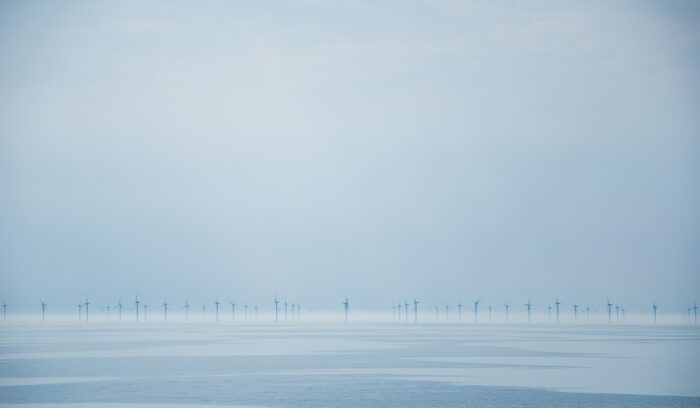
The first wave of six projects in the Northeast are expected to total more than 1,700 MW and cost nearly $9 billion in capital expenditures.

This blockchain project aims to leverage digital currency in order to boost the generation and consumption of renewables and allow for decentralized energy trading between utilities, producers grid operators, and consumers.

Hywind Scotland, situated in Buchan Deep, is the world’s first floating wind farm, with its five six-megawatt turbines now generating electricity.
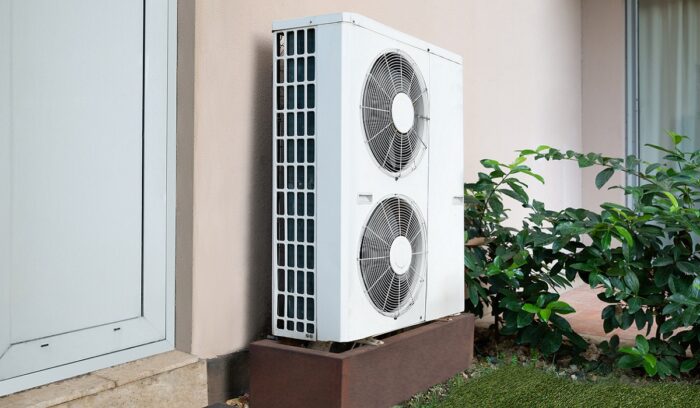
The European market for energy efficient building technologies is expected to grow from $83.5 billion in 2017 to $111.9 billion in 2026.