
Wimbledon bans plastic straws at this year’s championships
Wimbledon has joined the plastic war after it announced it will scrap straws at this year’s championships. Last year more than 400,000 plastic straws were used during the tournament.
This archive collects 524 stories about sustainability milestones — from renewable energy gains and regenerative agriculture to plastic reduction and corporate accountability. Each piece focuses on what’s working, who’s driving it, and how far it’s come. If you follow environmental and economic progress, this is a reliable place to track it.

Wimbledon has joined the plastic war after it announced it will scrap straws at this year’s championships. Last year more than 400,000 plastic straws were used during the tournament.

The initiative will directly support about 150,000 residents, with wider benefits to more than 380,000 people all who have little resources to mitigate and adapt to climate change, officials say.

A policy brief published on Monday by U.K.-based climate research institute the Grantham Institute finds there are now over 1,500 laws and policies in place worldwide, up from only 72 in 1997, with 106 introduced since the Paris Agreement was finalised at the end of 2015.
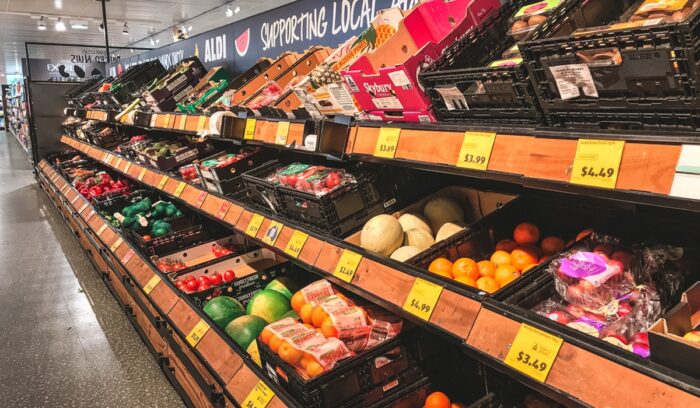
The agreement, organised by Government-backed waste charity Wrap, is a world-leading collaborative effort by Britain’s biggest consumer companies to tackle the scourge of plastic waste on the environment.

The bill signed Thursday gives businesses 18 months to stop using containers made from this material, commonly called Styrofoam.
“By 2025, at least 55% of municipal waste (from households and businesses) should be recycled. The target will rise to 60% by 2030 and 65% by 2035.”
The US banking giant said more than $100bn of its commitment was earmarked for clean technology, renewable energy, green bonds, low emission transportation and other projects that “directly support the transition to a low carbon economy”.
Europe’s largest bank HSBC said on Friday it would mostly stop funding new coal power plants, oil sands and arctic drilling, becoming the latest in a long line of investors to shun the fossil fuels.
No coal was used for power generation by stations in the U.K. between 10:25 p.m. in London on Monday until 5:10 a.m. on Thursday.
The U.K. Government is planning to ban plastic straws, stirrers and plastic-tipped cotton buds in a further acceleration of its war on the waste material.