
Seattle becomes the first major U.S. city to ban plastic straws
Seattle has become the first major city in the U.S. to ban plastic straws and utensils. Businesses that don’t comply with the ban can now face a $250 fine.
This archive tracks real progress on sustainability — from clean energy adoption and circular economy breakthroughs to policy wins and community-led conservation efforts. Each story focuses on what’s working, where, and why it matters for the long-term health of people and the planet.

Seattle has become the first major city in the U.S. to ban plastic straws and utensils. Businesses that don’t comply with the ban can now face a $250 fine.

An exciting new report shows that Sweden has installed so much wind power, the country is now 12 years ahead of schedule for its renewable energy goals.
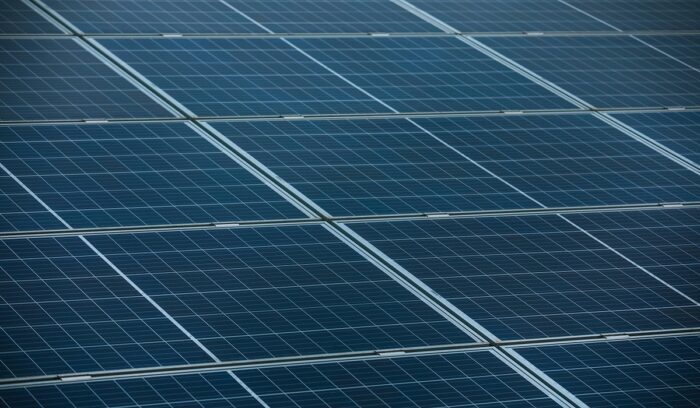
Solar panel recycling is finally catching up to solar power’s rapid growth, and France is showing the world how it’s done. A new facility in Rousset recovers glass, silicon, copper, and silver from aging panels — materials that can feed directly into making new ones, closing the loop on clean energy hardware. IRENA projects global PV waste could exceed five million tonnes by 2050, making infrastructure like this urgently needed. The plant currently handles crystalline silicon panels only, leaving thin-film recycling unsolved at industrial scale. Veolia hopes Rousset becomes a global template.

The six largest multilateral development banks spent $35 billion on climate financing in 2017, a 28 percent rise on the previous year and the highest since recording began in 2011.

More than 20 nations ranging from Germany, France and Britain to Pacific island states said they planned to “lead from the front” in setting new, tougher goals by 2020 to cut greenhouse gas emissions under the Paris climate agreement.

India’s energy minister R K Singh has flagged a massive solar tender of 100GW — by far the biggest in the world, as the fastest growing energy consumer turns increasingly to renewables to satisfy its enormous needs.

Renault will invest more than €1bn into four plants in France to increase its electric car production in the country.

India’s power and renewable energy minister announced that India was increasing its 2022 target by 52 GW up to 227 GW.

Government statistics show levels in 2016 were 49% below the 1990 baseline, with a 10.3% drop on the previous year.

IKEA, the world’s biggest furniture retailer, plans to use only renewable and recycled materials in its products by 2030.