
Lighted fishing nets dramatically reduce bycatch while making fishing more efficient
LED-illuminated nets reduce #bycatch of sharks and skates by an incredible 95 percent while maintaining catch rates of target species, according to a new study.
This archive tracks real progress on sustainability — from clean energy adoption and circular economy breakthroughs to policy wins and community-led conservation efforts. Each story focuses on what’s working, where, and why it matters for the long-term health of people and the planet.

LED-illuminated nets reduce #bycatch of sharks and skates by an incredible 95 percent while maintaining catch rates of target species, according to a new study.

With the Dubai Paperless Strategy fully implemented, no employee or customer of the Dubai Government will need to print any paper documents or transactions, unless they personally prefer to do so.

Milan is the world’s first major city to enforce a citywide food waste policy, relying on the wide-ranging cooperation of public agencies, food banks, charities, NGOs, universities, and private businesses.

Piñatex turns pineapple leaves into vegan, petroleum-free leather products. Now, Piñatex will have access to waste leaves from Dole’s Philippines farm, one of the largest pineapple plantations in the world.
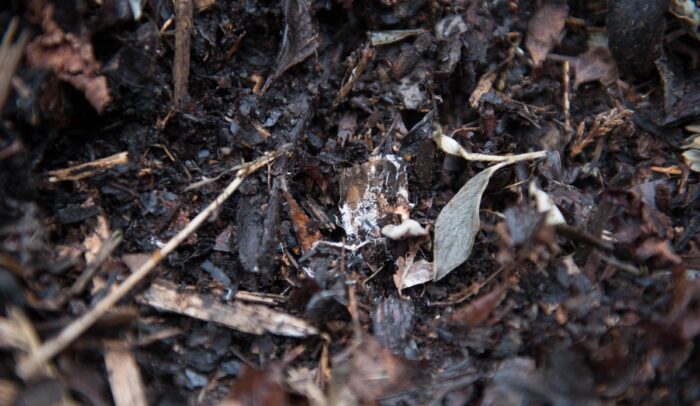
The bill will legalize what’s known as natural organic reduction, or what some refer to as human composting. The law goes into effect July 1, 2022.

The US buries an estimated 5.3 million gallons of embalming fluid each year, which is toxic to the natural environment. Although cremation removes this factor, each cremation emits about as much as a 500-mile car drive.

Designed with eco-friendliness in mind, the disposable razor uses paper throughout its body and metal for the blade — reducing plastic by 98 percent compared to conventional razors.

The fast food giant has already tested a plant-based burger in Canada and may eventually add faux meat breakfast sandwiches and mock chicken to the menu. McPlant will start popping up on McDonald’s menus in 2021.

With over 1,000 trees and 20,000 plants on its exterior, the Urban Forest will boast more trees than a nearby park in Brisbane, Australia. The project is hailed as one of the world’s most densely-forested greenery-covered buildings by designer Koichi Takada Architects.

Plant-based foods are a booming business. New SPINS retail sales data released March 3, 2020, shows that grocery sales of plant-based foods that directly replace animal products have grown 29% in the past two years to $5 billion.