
India’s Sikkim becomes the first 100% organic state in the world
India’s north-eastern state of Sikkim has won the award for the being the “100 per cent organic state” that promotes agroecological and sustainable food systems.
This archive tracks real progress on sustainability — from clean energy adoption and circular economy breakthroughs to policy wins and community-led conservation efforts. Each story focuses on what’s working, where, and why it matters for the long-term health of people and the planet.

India’s north-eastern state of Sikkim has won the award for the being the “100 per cent organic state” that promotes agroecological and sustainable food systems.

Jamaica set to run on 50 per cent renewable energy by 2030, up from the previous 30 per cent target.

The solar panels are expected to generate the equivalent amount of electricity required to power over 4,500 U.K. homes and will reduce the company’s carbon footprint by 6,000 tonnes of CO2 annually.

Scottish Power has become the first integrated energy company in the U.K. to make the shift from coal and gas generation to wind power.

The Japanese solar sector grew from 13.6 GW at the end of 2013 to 48.6 GW by the end of 2017, making it one of the fastest growing solar sectors in the world.
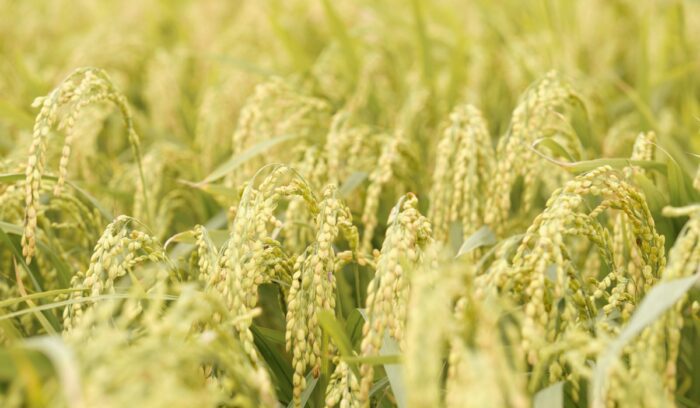
Like the “doomsday” seed vault in Norway, the purpose of the IRRI gene bank is to ensure we never find ourselves in a position where our food supply isn’t secure and diverse.

Designed to fly up to four passengers for distances between 500km to 5,000km, the Element One is described as a quiet, ultra-light, zero carbon aircraft “several orders of magnitude better” than battery-electric aircrafts.

Figures reveal that more than 14,800 renewable energy patents were filed worldwide in 2017 — a 43 per cent rise on the 10,500 in the previous year.

The World Bank committed $1 billion to finance battery-storage systems in developing countries, and expects its participation to attract another $4 billion in backing.

Eighty-nine early signatories, including the U.K.’s biggest supermarkets as well as food producers, manufacturers and restaurant chains, have committed to halving their food waste from “farm to fork” by 2030.