Public health & disease

Two elderly people walking

Global life expectancy and health improving

The Global Burden of Disease study, which shows the key drivers of ill health, disability and death in individual countries, found that by 2015, the world population had gained more than a decade of life expectancy since 1980 – rising to 69.0 years in men and 74.8 years in women.

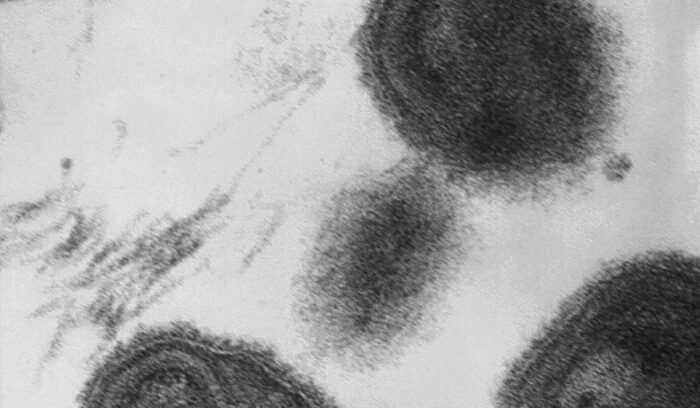
digitally colorized scanning electron microscopic (SEM) image, depicts a blue-colored, human white blood cell, (WBC) known specifically as a neutrophil, interacting with two pink-colored, rod shaped, multidrug-resistant (MDR), Klebsiella pneumoniae bacteria

​Robert Austrian, Jerome Gold, and colleagues develop world’s first pneumococcal vaccine

With the discovery of penicillin in 1928, interest in vaccines to prevent pneumonia waned. The assumption was that the problem would largely be eliminated by use of this antibiotic. Austrian and Gold, however, showed that, despite treatment with penicillin, deaths from pneumococcal pneumonia were unchanged in the first 96 hours of therapy. These efforts ultimately led to the licensing first of a 14-valent pneumococcal polysaccharide in 1977 followed by the 23-valent pneumococcal polysaccharide in 1983.

A child receiving a vaccine in a rural clinic for an article about child mortality rate

Global child mortality rate plummets from a historical average of 48% to 27% in 1950

As recently as two centuries ago, around 1 in 2 children died before reaching the end of puberty. Our ancestors were often largely powerless against poverty, famine, and disease, and these calamities were especially devastating for children. Since then, child mortality has plummeted across the world. This dramatic decline has resulted from better nutrition, clean water, sanitation, neonatal healthcare, vaccinations, medicines, and reductions in poverty, conflicts, and famine.

A researcher handling a vaccine vial in a clinical lab for an article about cancer vaccine trials

Louis S. Goodman and Alfred Gilman run first human trial of cancer chemotherapy

In collaboration with thoracic surgeon Gustaf Lindskog, the two doctors from Yale School of Medicine injected the chemical mustine into a patient with non-Hodgkin’s lymphoma. In a monumental moment for the field of medicine, the patient, a Polish immigrant to Connecticut known in literature only as JD, experienced a dramatic reduction in his tumor masses, paving the way for millions of future patients who would benefit from the therapy in the years and decades to come.