Public health & disease

From disease eradication efforts to advances in vaccination and maternal health, this archive tracks real progress in public health. Stories here focus on what’s working — policies, interventions, and research that are improving and extending lives around the world.

image for article on penicillin clinical trials

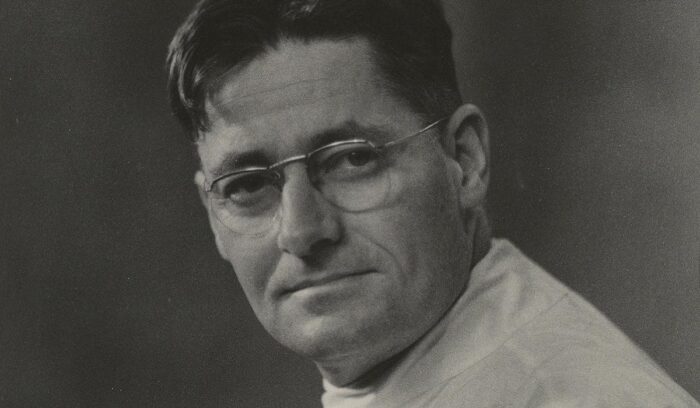
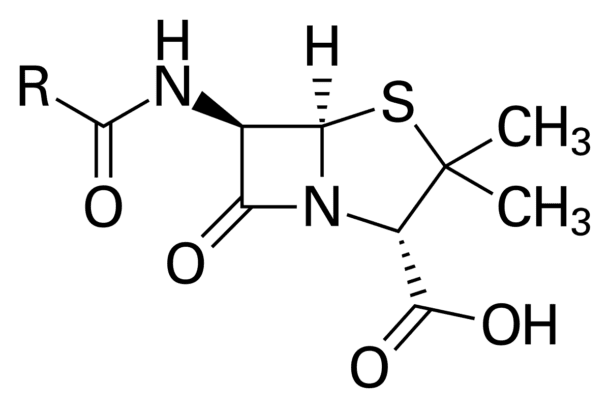
Howard Florey’s team gives penicillin its first human trial at Oxford

Penicillin’s first human trial took place at Oxford in February 1941, when Howard Florey’s team treated a dying police constable named Albert Alexander. He improved dramatically for five days before the scarce drug ran out, and he later died. The experiment still opened the door to antibiotic medicine, which Florey estimated would go on to save tens of millions of lives.
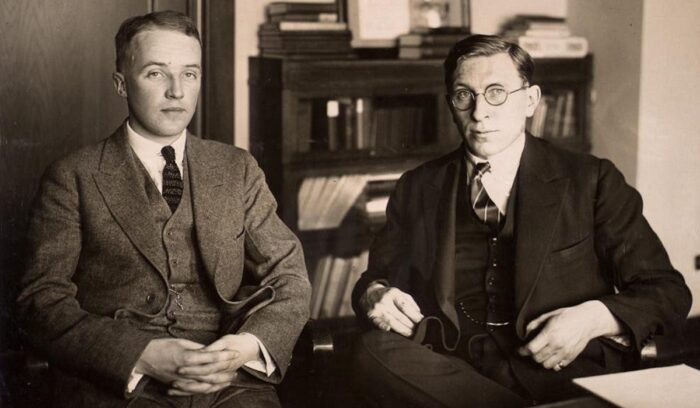
Canadian scientists Frederick Banting (right) and Charles Best circa 1924, for article on insulin isolation

Banting and Best isolate insulin, offering life to millions with diabetes

Insulin’s discovery came during a sweltering Toronto summer in 1921, when Frederick Banting and Charles Best extracted the hormone from a dog’s pancreas. Months later, a 14-year-old boy named Leonard Thompson became the first person successfully treated, his symptoms clearing after a refined second dose. A diagnosis once fatal within months had become something a person could live with.

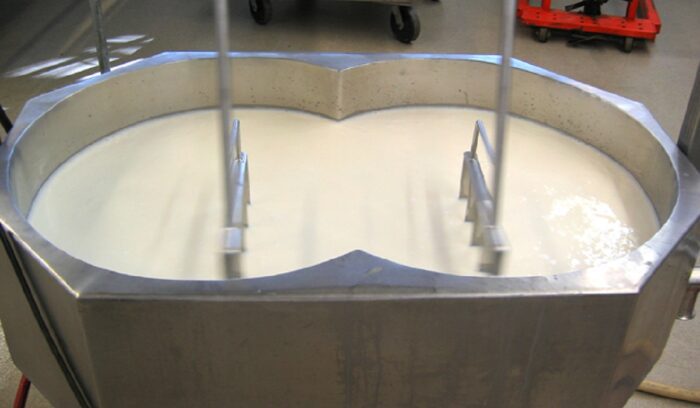
image for article on Louis Pasteur pasteurization

Louis Pasteur develops pasteurization, transforming food safety and saving millions of lives

Louis Pasteur’s pasteurization began in a Sorbonne lecture theater in 1864, when he showed that gentle, precise heat could kill the microorganisms spoiling French wine and beer. Milk came later, and with it a quiet revolution in child survival. Chicago mandated milk pasteurization in 1908, and the germ theory behind it became the scaffolding of modern medicine.

jason leung unsplash, for article on football codification, for article on food preservation

Nicolas Appert’s method of food preservation solves a problem as old as hunger

Food preservation took a quiet leap forward in 1809, when French confectioner Nicolas Appert discovered that food cooked inside a sealed glass jar simply didn’t spoil. He’d earned the insight through roughly a decade of trial and error, claiming a 12,000-franc government prize the following year — half a century before anyone understood why it worked.

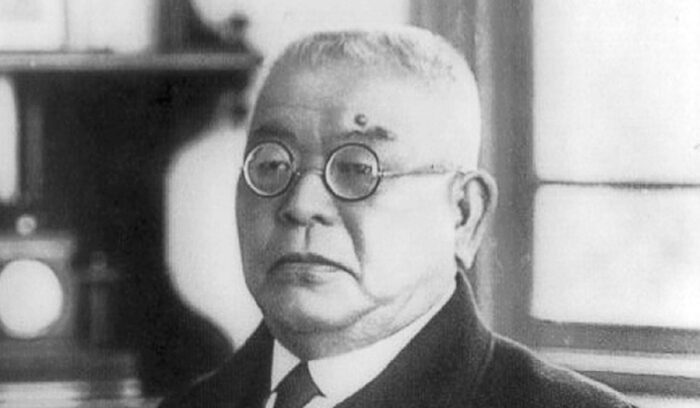
HanaokaSeishu, for article on Hanaoka Seishū general anesthesia

Hanaoka Seishū performs the first documented surgery under general anaesthesia

In October 1804, a Japanese surgeon named Hanaoka Seishū removed part of a 60-year-old woman’s breast while she slept peacefully under an herbal anesthetic he had spent two decades perfecting. His formula, tsūsensan, drew on Chinese pharmacology and Dutch medical texts. It stands as the first reliably documented surgery under general anesthesia, nearly four decades before ether.