
New York doctors complete first-ever successful trachea transplant
A 56-year-old woman from the Bronx, New York, named Sonia Sein is the recipient. She ended up in the hospital six years ago after a particularly nasty asthma attack.
From disease eradication efforts to advances in vaccination and maternal health, this archive tracks real progress in public health. Stories here focus on what’s working — policies, interventions, and research that are improving and extending lives around the world.

A 56-year-old woman from the Bronx, New York, named Sonia Sein is the recipient. She ended up in the hospital six years ago after a particularly nasty asthma attack.

Scientists at UC Berkeley are hailing the state’s diesel engine standards and other measures imposed over a number of years, even in the face of loosened environmental regulations in recent years.
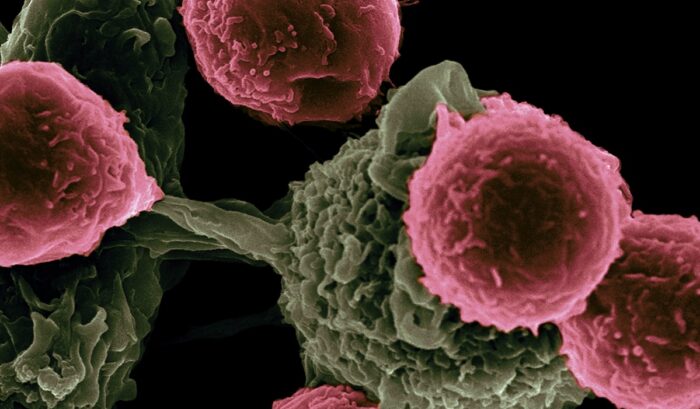
New data suggests the experimental vaccine is safe and stimulates a significant immune response that slows tumor progression. A larger Phase 2 trial is currently being planned.

New antibiotics are a crucial development to keep us ahead in the war against superbugs. The team says that this type of compound could work against a range of other bacteria as well, such as tuberculosis and golden staph.

The Chickasaw, Choctaw, Osage, Cherokee, and Potawatomi nations are offering vaccinations to anyone in Oklahoma who needs one.

Islatravir, an HIV prevention drug developed by Merck, has already reached its second stage of trials. Following promising results, it looks likely to go to Phase 3 trials, bringing it one step closer to approval.

A new study out of UC Davis suggests that increased access to cannabis stores that legally sell medical and recreational cannabis may help to reduce opioid-related deaths.
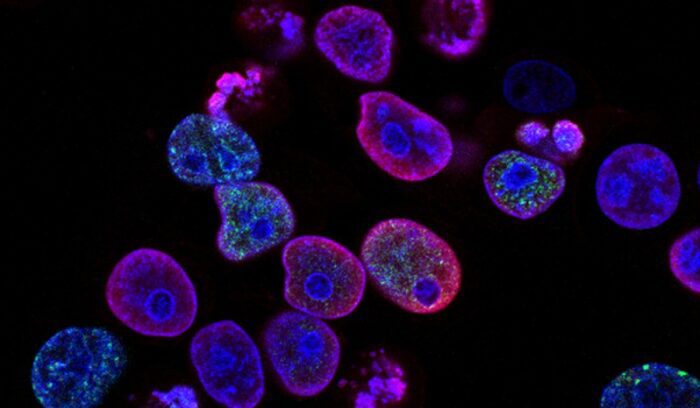
The breakthrough, developed by Korean scientists, is likely to revolutionize testing as existing methods are not only inaccurate but can result in over-diagnosis and necessitate invasive biopsies.

German researchers have enabled mice paralyzed after spinal cord injuries to walk again, re-establishing a neural link hitherto considered irreparable in mammals.

The monthly injection treatment replaces the need for some to take daily pills. The company says the price of the injections is comparable to the cost of the pill versions.