
Wimbledon bans plastic straws at this year’s championships
Wimbledon has joined the plastic war after it announced it will scrap straws at this year’s championships. Last year more than 400,000 plastic straws were used during the tournament.
Plastic pollution touches nearly every ecosystem on Earth, from deep ocean trenches to mountain snowpack. This archive tracks real progress: policy wins, material innovations, cleanup breakthroughs, and the researchers, companies, and communities driving measurable change. 167 stories and counting.

Wimbledon has joined the plastic war after it announced it will scrap straws at this year’s championships. Last year more than 400,000 plastic straws were used during the tournament.
The agreement, organised by Government-backed waste charity Wrap, is a world-leading collaborative effort by Britain’s biggest consumer companies to tackle the scourge of plastic waste on the environment.
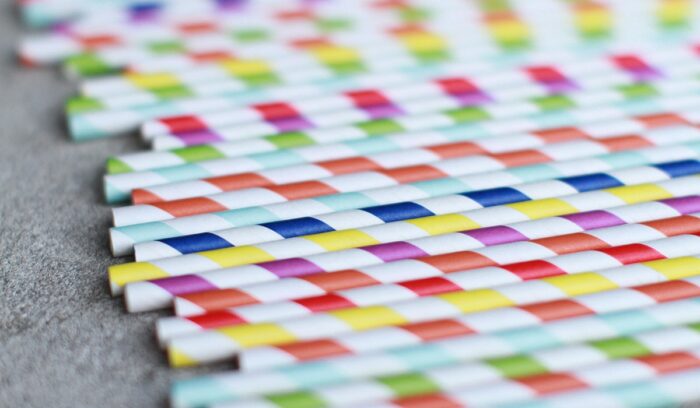
The U.K. Government is planning to ban plastic straws, stirrers and plastic-tipped cotton buds in a further acceleration of its war on the waste material.
It is a world first in an effort to find a solution for the 300 million tonnes of plastic produced every year.
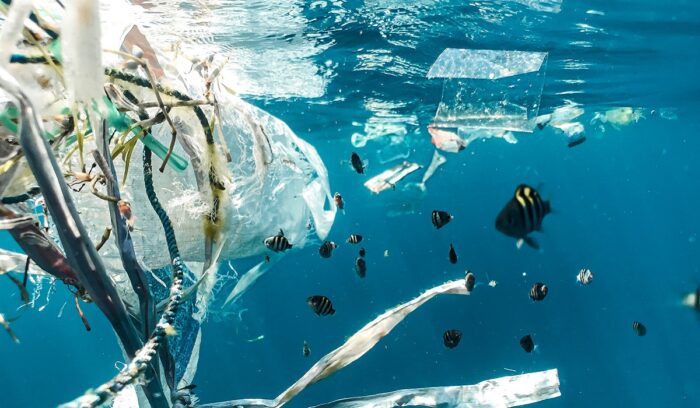
The number of plastic bags found on the seabed has plummeted, suggesting efforts to combat plastic pollution are working.

Waitrose, with more than 350 stores in the U.K., will stop using disposable coffee cups in a move the supermarket says will save 52 million cups a year.

The department store has not stocked single-use water bottles for almost two years and it hopes the latest plan will encourage its clientele to stop using throwaway plastic and instead look to purchase aluminium cans or glass.

Each pair uses an average of 11 plastic bottles and incorporates recycled plastic into the laces, heel webbing, heel lining and sock liner covers.
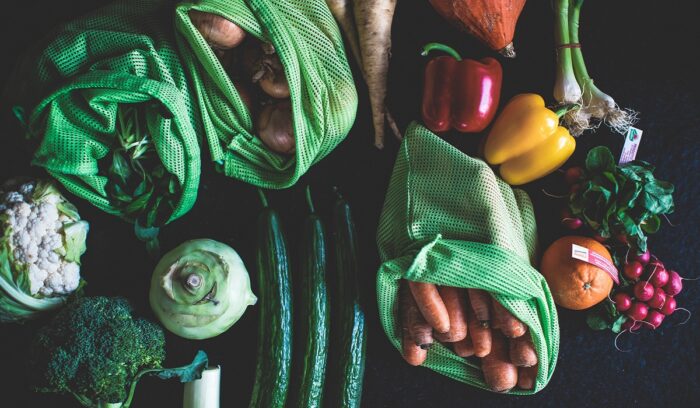
Campaigners hail progress as Amsterdam store offers dedicated aisle of more than 700 products, with plans for a national roll-out

The Church of England is urging Christians to give up single-use plastics during Lent, in a bid to cut the environmental damage it can cause.