Nations

This archive tracks meaningful progress at the national level — policy wins, governance reforms, and milestones that show countries moving toward greater well-being, equity, and sustainability. Across 68 stories, you’ll find evidence that nations can and do change for the better.

Sri Lankan children, for article on Sri Lanka republic

Sri Lanka becomes a republic, ending 24 years of dominion status

Sri Lanka became a republic on 22 May 1972, shedding the name Ceylon and the last formal ties to the British Crown. The shift came 24 years after independence, rooted in a largely peaceful movement shaped by Buddhist revival, temperance activism, and grassroots organizing. It was one chapter in a long, still-unfolding story of self-determination.

Flag of Bangladesh, for article on Bangladesh independence

Bangladesh wins independence after a nine-month liberation war

Bangladesh independence was declared on March 26, 1971, in a radio broadcast from Chittagong, after Pakistani forces launched a brutal crackdown on the Bengali population of East Pakistan. Nine months of war followed, ending with Pakistan’s surrender that December. A nation built on language and cultural identity had entered the world.

Guyana flag, for article on Guyana independence

Guyana gains independence from the United Kingdom

Guyana independence arrived on 26 May 1966, when more than 150 years of British rule gave way to a new nation on South America’s northern coast. The name itself, drawn from an Indigenous language, means “land of many waters” — a reminder that the territory was home to nine Indigenous peoples long before any European map existed.

Flag of Zambia, for article on Zambia independence

Zambia gains independence from the United Kingdom

Zambia’s independence came on 24 October 1964, when the Union Jack came down over Lusaka and Kenneth Kaunda was sworn in as the new republic’s first president. Thousands gathered to watch, and the moment rippled far beyond the country’s borders — one more sign that the era of African colonial rule was drawing to a close.

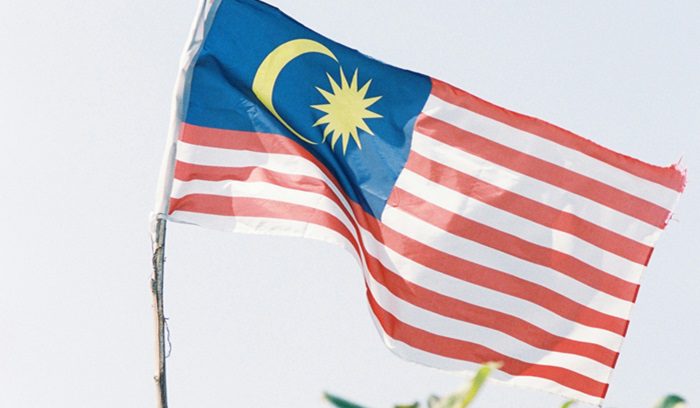
Flag of Malaysia, for article on malaysia agreement

Malaysia Agreement unites Borneo territories and Malaya into a new nation

The Malaysia Agreement, signed in London on September 16, 1963, united four territories — Malaya, Singapore, Sarawak, and North Borneo — into a single federation. Before the signing, a commission led by Lord Cobbold traveled through Borneo to gauge whether its peoples supported the merger. It remains one of Southeast Asia’s defining acts of negotiated decolonization.

image for article on Nigerian independence

Nigeria gains independence, ending nearly 60 years of British rule

Nigerian independence arrived on October 1, 1960, when the green-and-white flag rose over Lagos and a nation of more than 250 ethnic groups became sovereign. Decades of organizing by activists, lawyers, journalists, and trade unionists made it happen — including the 1929 Women’s War, a mass protest that reshaped British colonial policy. It remains one of the twentieth century’s defining acts of self-determination.

image for article on Dahomey independence 1960

Dahomey gains independence from France, becoming a sovereign republic

Dahomey’s independence came on August 1, 1960, when the French tricolor was lowered and a new West African republic took its place after more than six decades of colonial rule. Hubert Maga, a teacher-turned-politician from the north, led the transition. It was one of seventeen African independences that year — a continent remaking itself in a single season.

Flag of Mali Federation, for article on Mali Federation formation

Senegal and French Sudan unite to form the Mali Federation

The Mali Federation was born on January 17, 1959, when Senegal and the Sudanese Republic merged in a bold bet on pan-African unity ahead of independence. Architects Léopold Sédar Senghor and Modibo Keïta borrowed the name from medieval West African empires, arguing that fragmented micro-states would struggle alone. The union dissolved within two years, but its ambition echoed across the continent’s independence movements.