U.K. launches world’s largest ocean monitoring system
The U.K. government, under the Blue Belt program, has announced its plan to install underwater camera rigs for monitoring ocean wildlife across over 4 million square kilometers of ocean space.
The Kerala fishermen’s work has so far amassed 176,000 pounds (80,000 kilograms) of plastic, of which more than half has gone towards creating 84 miles (135km) of road.
It is estimated that illegal fishing accounts for about 30% of all fishing worldwide, representing up to 26 million tons of fish caught annually at a cost to the global economy of more than $23 billion a year.
The Gulf of Mexico’s largest coral sanctuary just got 200 percent bigger, now that the U.S. government formally approved the expansion of the Flower Garden Banks National Marine Sanctuary.
The 1,000 square mile area is the first of five that the Ivory Coast government has designated for protection.
The government of Tristan da Cunha, a four-island archipelago of about 250 people, has announced that it will be protecting approximately 700,000 square kilometers of its waters, creating the world’s fourth-largest Marine Protected Area.
Marine scientists and volunteers spread more than 70 million eelgrass seeds off Virginia’s shores. Led by the Virginia Institute of Marine Science and with help from The Nature Conservancy, the project has grown to over 8,896 acres.
Samoa’s land mass accounts for less than three percent of its territory, and the country is largely dependent upon the ocean for food and income. To preserve this vital resource, the Samoa Government has committed to fully managing its ocean area and protecting 30 percent by 2025 through the Samoa Ocean Strategy.
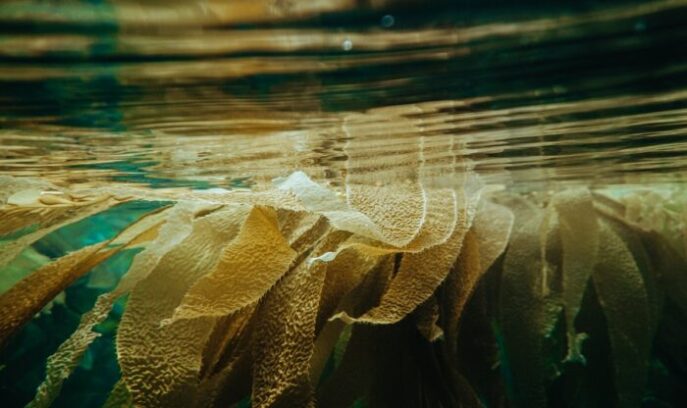
Running Tide is using seaweed to sequester carbon off the coast of Maine while raising sustainable shellfish. Planting on the seafloor offers even more carbon sequestering capabilities than planting trees on land because kelp that sinks to the seafloor can hold carbon for centuries.

The South Asian nation took unprecedented action when it found that plastic bags played a key role in clogging drainage systems during disastrous flooding.