International cooperation

International cooperation shapes some of the most consequential progress happening across the globe. This archive covers 151 stories about treaties signed, coalitions formed, and shared problems tackled by countries working together — from climate agreements and public health partnerships to nuclear safeguards and humanitarian aid. These are the moments when nations choose collaboration over conflict.

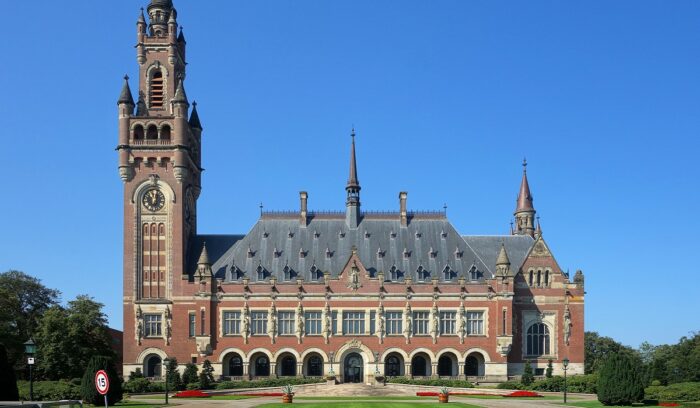
International Court of Justice, for article on international court of justice

The United Nations establishes the International Court of Justice

The International Court of Justice was born in June 1945, when the UN Charter created the first permanent global tribunal for disputes between nations. It held its first session the following April at the Peace Palace in The Hague, with fifteen judges drawn from the world’s major legal traditions. A quiet but radical idea: countries could bring their grievances to judges instead of armies.

Flag of the Arab League, for article on league of arab states founding

Seven Arab states found the League of Arab States in Cairo

The League of Arab States was founded in Cairo on 22 March 1945, when seven nations signed a charter pledging cooperation while preserving each country’s full sovereignty. Egypt, Iraq, Transjordan, Lebanon, Saudi Arabia, Syria, and North Yemen built a flexible framework of consultation over command. It became one of the world’s earliest regional intergovernmental bodies, now grown to 22 members.

Downhill skiing, for article on Winter Olympics Chamonix

Chamonix hosts the world’s first Winter Olympics, uniting nations on snow and ice

The first Winter Olympics opened in Chamonix, France in January 1924, drawing athletes from 16 nations to race, skate, ski, and slide through the French Alps. American Charles Jewtraw took the inaugural gold in the 500-meter speed skate, and an 11-year-old Sonja Henie finished last — then returned to win gold twice. A quiet start to a century of winter sport.