
Rhode Island becomes fourth U.S. state to make community college free
The Promise Scholarship will cover the cost of tuition and fees at the Community College of Rhode Island for new students starting this fall regardless of their income.
This archive covers education milestones from expanding school access in low-income communities to innovative teaching methods and rising literacy rates. Stories here spotlight what’s working — and who’s making it happen — across classrooms, policy halls, and community programs worldwide.
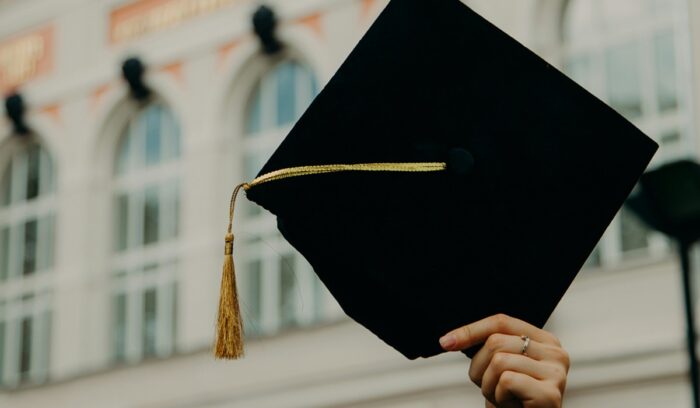
The Promise Scholarship will cover the cost of tuition and fees at the Community College of Rhode Island for new students starting this fall regardless of their income.
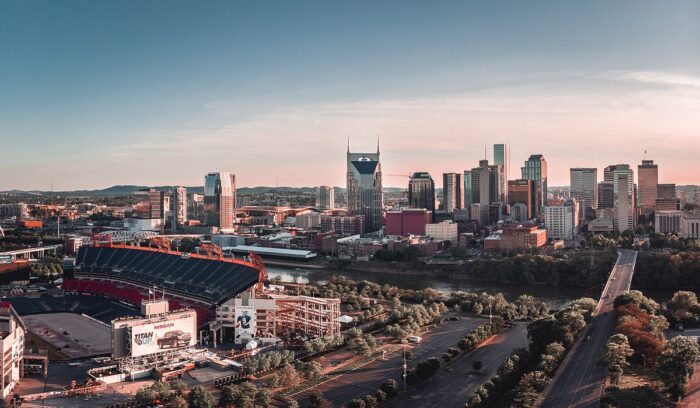
Tennessee’s new plan to allow older adults without a college degree or certificate to attend community college free of charge will serve as a model as more states consider similar policies.
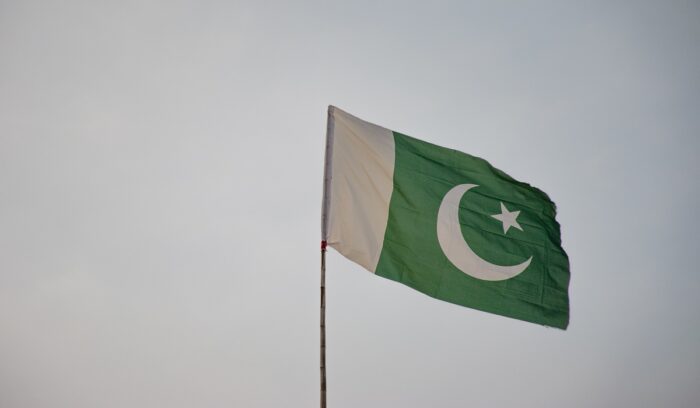
The government of Pakistan’s second largest province, Punjab, has affirmed its commitment to the installation of rooftop solar power systems on around 20,000 schools.

New York just became the first state in the nation to make tuition free for middle class students at both two- and four-year public colleges.
The Higher Education Act, signed by President Lyndon Johnson on November 8, 1965, opened college to millions of Americans who’d been priced out. Johnson chose his own alma mater in Texas for the signing, launching federal student loans, work-study, and scholarships under one roof. Six decades and eight reauthorizations later, it still shapes who gets to learn.
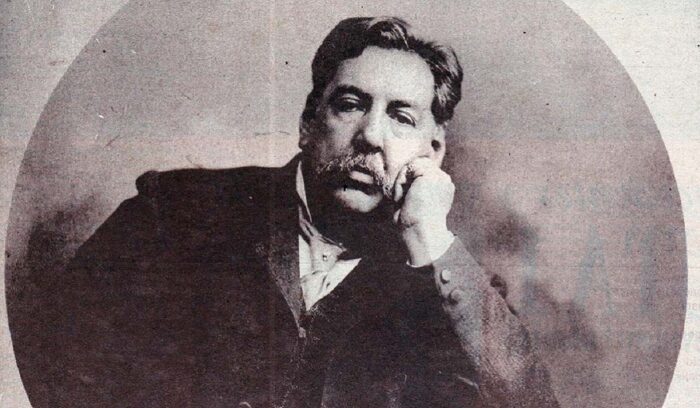
Uruguay’s social reforms in the early 1900s turned a small South American country into an unlikely pioneer of progressive governance. Under President José Batlle y Ordóñez, the nation established the eight-hour workday, separated church from state, and opened its national university to women. A quietly radical experiment, built on the eastern bank of the River Plate.
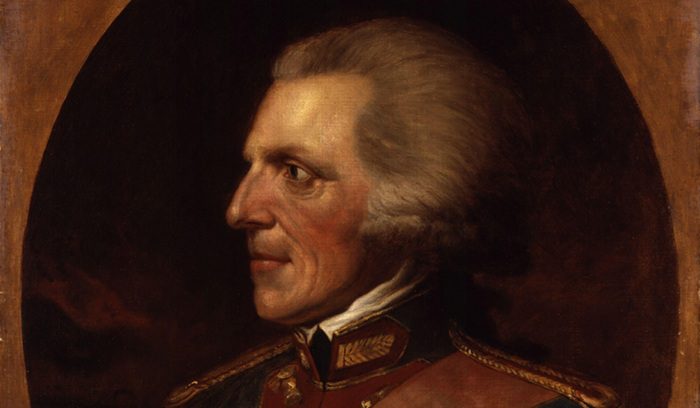
School lunch programs trace back to 1790s Munich, where American-born exile Benjamin Thompson opened the Poor People’s Institute. He fed children while teaching them to read and write, treating a hot meal as a practical investment rather than charity. Today, roughly 380 million schoolchildren worldwide receive meals through programs built on that quiet insight.
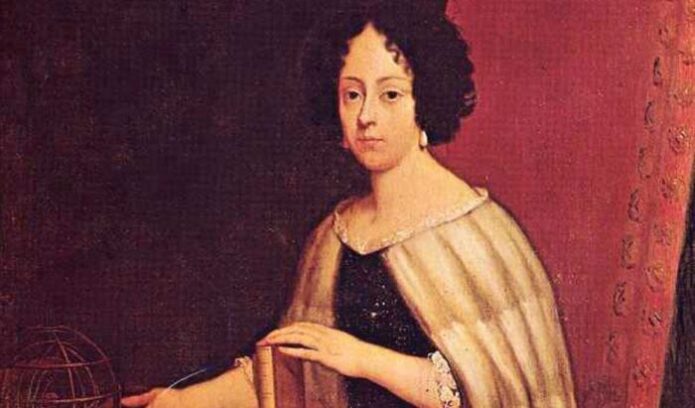
Elena Cornaro Piscopia became the first woman on record to earn a PhD on June 25, 1678, stepping into Padua Cathedral to lecture in Latin on Aristotle before senators, scholars, and students. The university barred women from graduating soon after, but the door had been opened — and the next woman would follow in 1732.
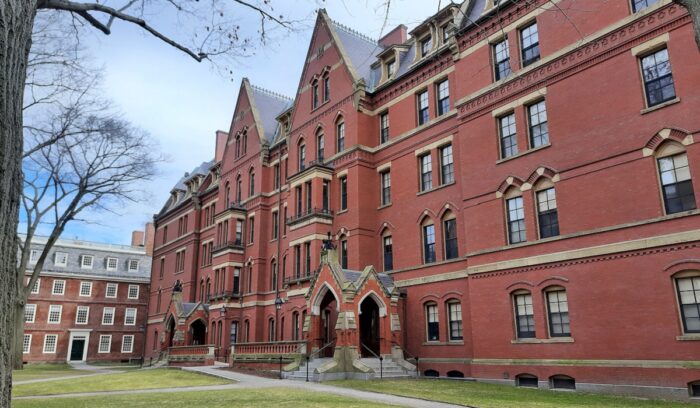
Harvard College began in the autumn of 1636, when Massachusetts Bay lawmakers voted to found a school with no campus, no faculty, and not yet a name. Two years later, a young clergyman named John Harvard left it 320 books and his estate. It became the first institution of higher learning in colonial North America.
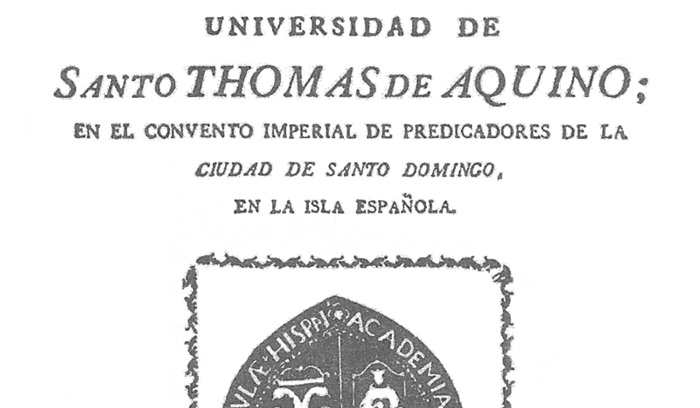
The Americas’ first university was chartered on October 28, 1538, when Pope Paul III elevated a Dominican seminary in Santo Domingo to full university status. Modeled after Spain’s University of Alcalá, it trained clergy, lawyers, and the Creole thinkers who would shape the hemisphere. Its successor still teaches today.