
Fossil fuels squeezed by plunge in cost of renewables, BNEF says
The economics of generating electricity from fossil fuels are deteriorating rapidly as renewable energy technology plunges in costs.
The climate crisis demands action — and action is happening. This archive tracks real progress: policy wins, clean-energy milestones, community resilience, and scientific advances that show meaningful change is possible. Stories here come from every corner of the world.
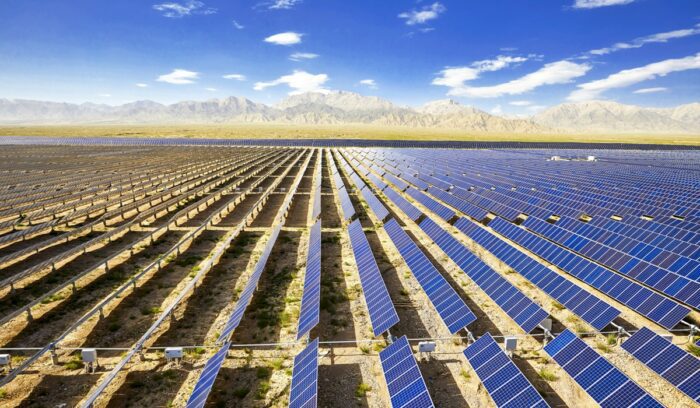
The economics of generating electricity from fossil fuels are deteriorating rapidly as renewable energy technology plunges in costs.
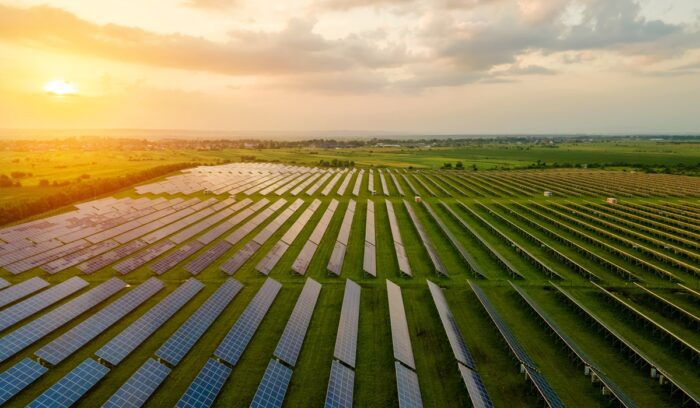
The $25 million in financing from the EIB will enable d.light design to develop the installation of solar kits in sub-Saharan Africa and aim to hit its goal of reaching 10 million solar installations within 5 years.
A recently published data by the CDP researchers disclosed that of the 570 cities in its book, 101 cities now use renewable energy to source for 70% of their electricity, a figure that was previously 42 cities in 2015.

A £220 million Clean Air Fund is set to tackle roadside emissions, which is part of a £260 million plus package from the government to improve air quality.

The Renault-Nissan-Mitsubishi Alliance is working to produce an electric car that uses solid-state batteries as early as 2025, in a move that puts it amid the frontrunners in the global race to launch the next generation of electric vehicles.

ISA is an inter-governmental organization that aims to mobilize $1 trillion in funds for future solar generation, storage and technology across the world. It has 60 signatories, with 30 of those countries having ratified the agreement.
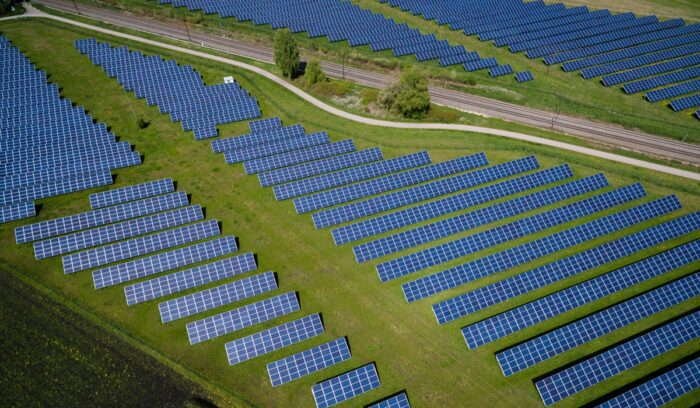
“The Superhub will enable Neoen to produce renewable hydrogen for overseas export markets, and create 300 construction and ongoing jobs for South Australia”
The data marked the fifth successive year in which the amount of carbon dioxide pumped into U.K. skies has fallen, and emissions are now 38 per cent below the level of 1990.
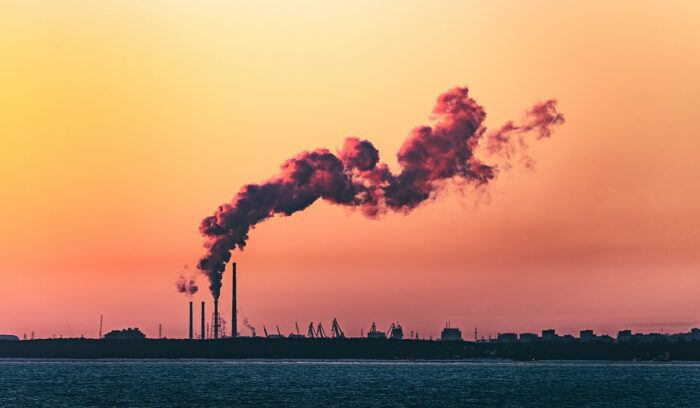
Pledge 2025 will help the bank align its activity to a 2ºC Scenario and strike a balance between sustainable energy and fossil fuel investments and is based on three lines of action: financing, management and engagement.
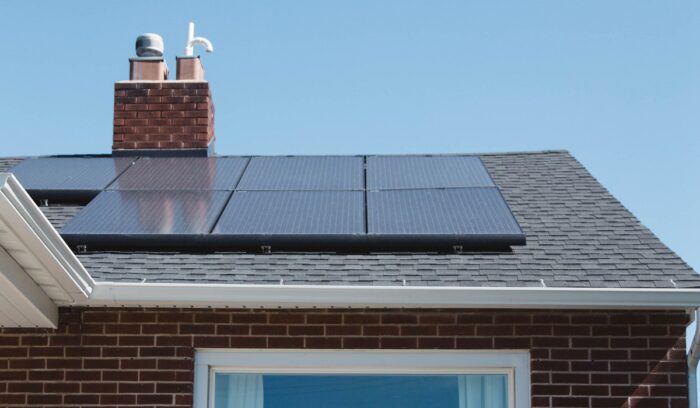
Rooftop solar in Australia hit a stunning new high in 2017, with homeowners, schools, and small businesses installing roughly 9,500 panels every single day. The country added 1,057 megawatts of small-scale solar capacity in a single year — enough to rival a medium-sized coal plant, but spread across millions of ordinary rooftops. Average system sizes doubled compared to five years earlier, as falling prices turned solar from a niche eco-choice into a practical way for households to take charge of their power bills. It’s a hopeful reminder that the energy transition isn’t only happening in distant policy rooms or massive infrastructure projects — sometimes it’s being built one sunny rooftop at a time.