Climate crisis

The climate crisis demands action — and action is happening. This archive tracks real progress: policy wins, clean-energy milestones, community resilience, and scientific advances that show meaningful change is possible. Stories here come from every corner of the world.

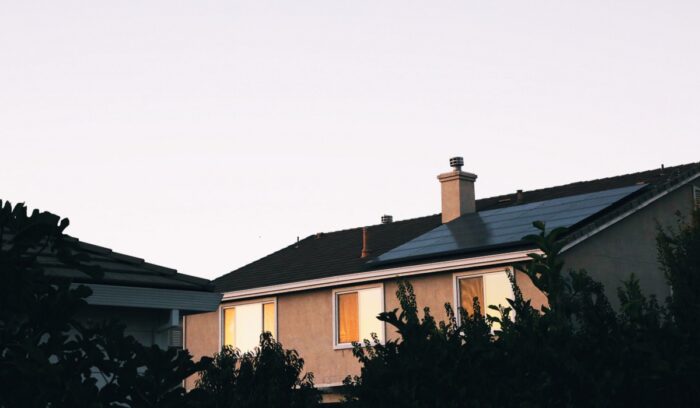
House with solar panels, for article on solar power installations

U.S. solar power installations nearly triple in a single year

Solar power in the United States crossed a threshold in 2016, when the country added roughly 14.6 gigawatts of new capacity — nearly tripling the year before and outpacing every other energy source, including natural gas. Behind the numbers stood more than 260,000 solar workers, quietly proving that a cleaner grid was arriving faster than forecasters had dared to predict.

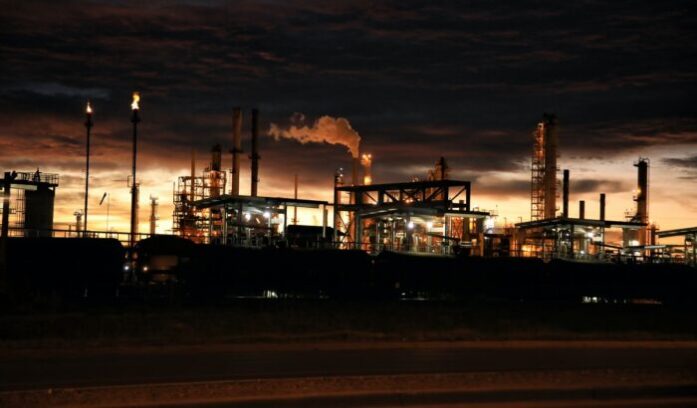
Oil refinery representing fossil fuel divestment debate and the push to move away from petroleum infrastructure

Fossil fuel divestment funds double to $5 trillion in one year

Fossil fuel divestment crossed a remarkable threshold in late 2016, when committed funds reached $5.2 trillion — double the total from just 14 months earlier. What began with student activists pressing universities had pulled in pension managers, insurance giants, and Norway’s sovereign wealth fund. It was the moment climate pressure started speaking fluently in the language of balance sheets.

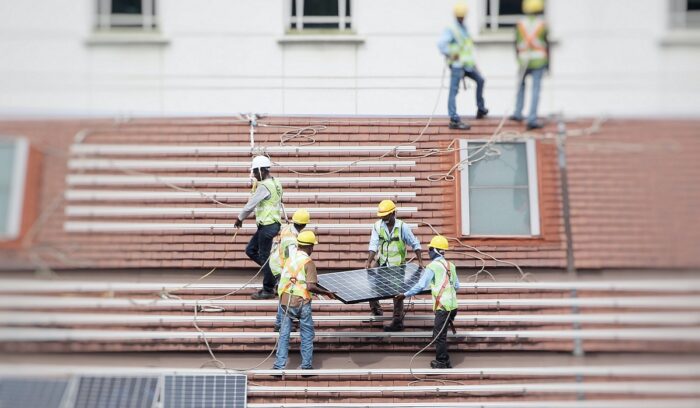
People installing solar panels for Florida solar property tax exempt home energy upgrade, for article on community solar microgrid

Florida votes overwhelmingly to remove property tax on solar equipment

Florida solar got a boost on Election Day 2016, when roughly 73% of voters approved Amendment 4, exempting home solar equipment from property tax assessments. The measure drew a rare bipartisan coalition and passed alongside the defeat of a utility-backed counter-measure. In the years that followed, Florida climbed from near the bottom of U.S. solar rankings toward the top.

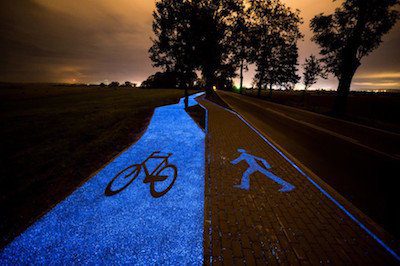
Glowing engine powering a glow-in-the-dark bicycle path at night

Poland’s glow-in-the-dark bicycle path runs entirely on solar power

A glow-in-the-dark bicycle path opened in the rural Polish town of Lidzbark Warminski, emitting deep blue light for up to 10 hours a night without touching the electrical grid. Luminophore particles embedded in the 328-foot surface soak up sunlight by day and release it after dark. A small, quiet experiment in making rural roads safer — and unexpectedly beautiful.

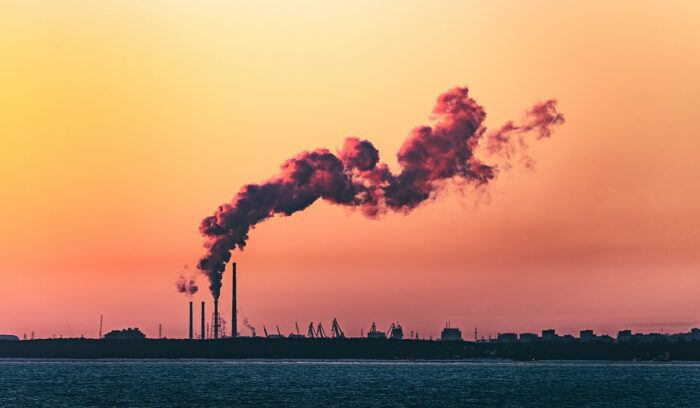
Smoky industrial emissions at sunset symbolizing need for CO2 to ethanol conversion technology

Oak Ridge scientists accidentally crack CO2 to ethanol conversion

CO2-to-ethanol conversion arrived by accident in 2016, when researchers at Oak Ridge National Laboratory in Tennessee applied voltage to a copper-and-carbon nano-spike catalyst and watched ethanol emerge as the dominant product. About 63% of the output was ethanol — unusually clean for a single-step reaction. A quiet reminder that science often stumbles into its better answers.

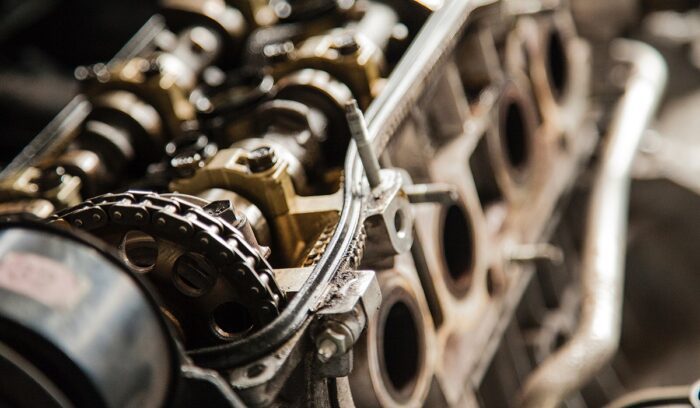
Engine, for article on combustion engine ban

Germany’s Bundesrat calls for E.U. ban on combustion engines by 2030

In autumn 2016, Germany’s Bundesrat did something no national legislative body had done before: it urged the EU to stop registering new gasoline and diesel cars after 2030. The vote was non-binding, but coming from the home of Volkswagen and BMW, it moved a once-fringe idea into serious policy — language the EU would echo in binding law years later.

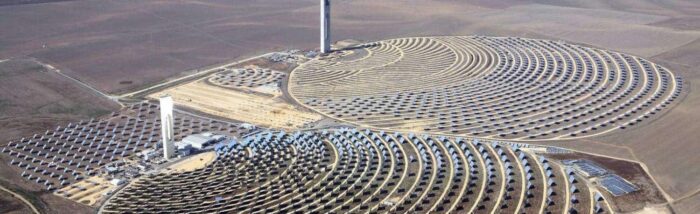
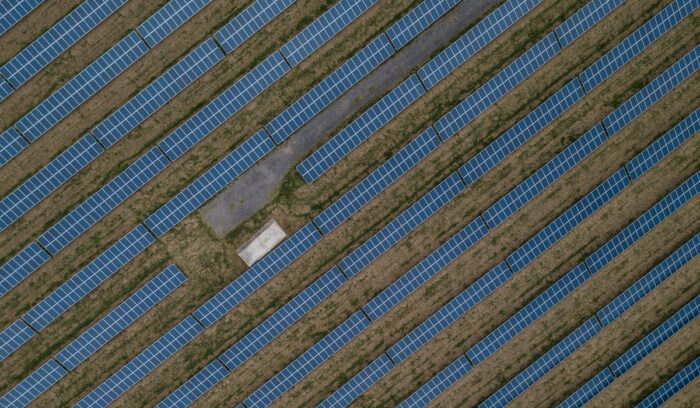
A top view of solar farm, for article on renewable energy capacity

Renewables top all other new power sources for the first time

Renewable energy quietly crossed a threshold in 2015, when solar, wind, and other renewables made up roughly two-thirds of all new power capacity added worldwide, according to an IEA report released the following year. China led the wave, installing more solar and wind than any other country. It was the moment the energy transition stopped feeling hypothetical.