U.K. electricity generation drops to its lowest since 1994
A new analysis shows that in 2018 U.K. electricity generation dropped to its lowest since 1994. The amount of electricity generated per person in the UK has fallen 24% since 2005.
The climate crisis demands action — and action is happening. This archive tracks real progress: policy wins, clean-energy milestones, community resilience, and scientific advances that show meaningful change is possible. Stories here come from every corner of the world.
A new analysis shows that in 2018 U.K. electricity generation dropped to its lowest since 1994. The amount of electricity generated per person in the UK has fallen 24% since 2005.
Every unprofitable coal mine in the European Union must cease production by the first day of 2019, the date on which all public funds for the mines will come to an end.
More than 1.8 million people worldwide have signed a petition from environmental groups to sue the French government for failing to take sufficient action on the matter.
With a new generation of EVs beginning to hit the market, and massive numbers of public chargers under construction from coast to coast, the electric future is beginning to take shape.
Washington D.C has unanimously passed a bill to ensure the state runs on 100 per cent renewable energy by 2032.
By the year 2029, all new mass transit buses in the whole state will have to be fully electric, according to a new rule adopted unanimously by the California Air Resources Board (CARB).
The projects funded by the new investment could help cut carbon emissions equivalent to those created by 800,000 cars a year.
Greenpeace, which has long pressured the palm oil giant to monitor its suppliers across all of their operations, hailed the move as a “potential breakthrough.”
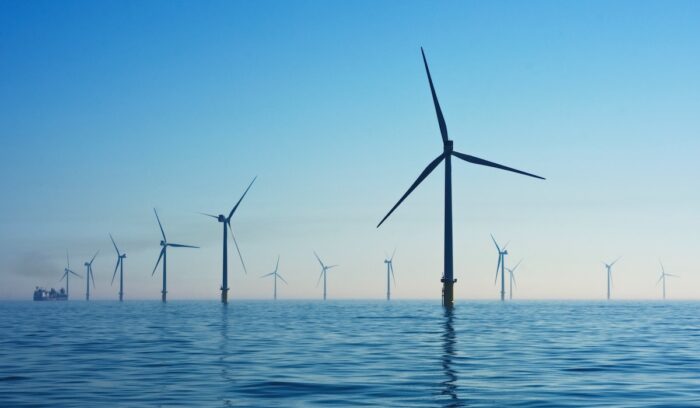
More than 680 gigawatts (GW) of new wind power is expected to come online around the globe in the next decade, more than doubling current capacity, according to new research from Wood Mackenzie Power & Renewables.
Electricity from sugar cane now accounts for 14 percent of the island’s needs and, when combined with other renewable sources such as solar, wind and hydro, provides nearly a quarter of daily consumption.