Clean & renewable energy

This archive tracks real progress in clean and renewable energy — from solar and wind expansion to grid upgrades and policy wins. Each story focuses on what’s working, where, and why it matters for people and the planet.

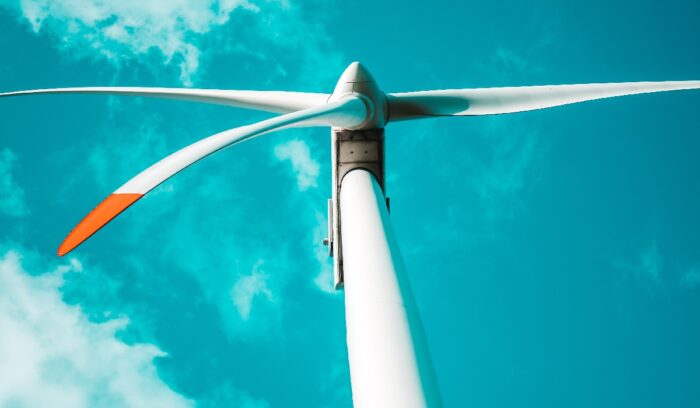
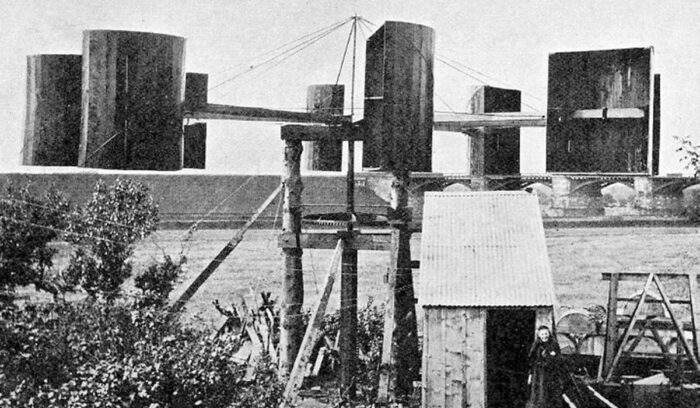
Wind turbine from below, for article on world's first wind farm

U.S. Windpower installs the world’s first wind farm in New Hampshire

The world’s first wind farm spun to life in late 1980 on a New Hampshire hillside, where 20 small turbines fed electricity directly into the grid. Blades broke, towers stood just 60 feet tall, and the project was quietly dismantled within a couple of years. But the proof held, and a direct line runs from those struggling machines to today’s global wind industry.

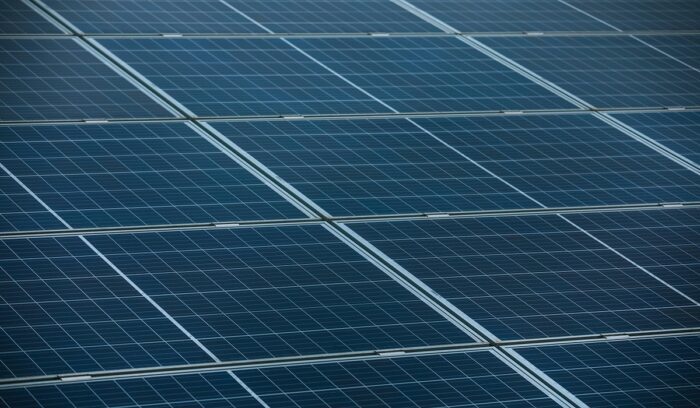
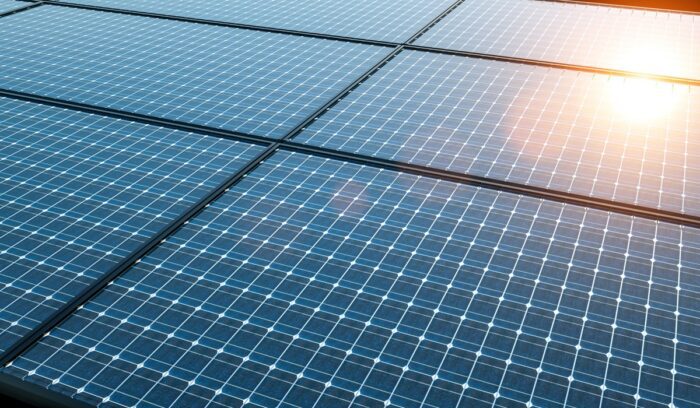
Solar panels installed on a rooftop representing solar power prices and renewable energy options, for article on domestic solar cell production, for article on silicon solar cell

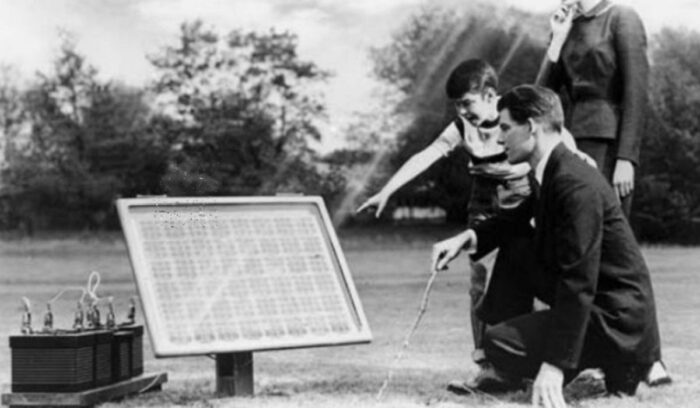
China launches domestic solar cell production in Ningbo and Kaifeng

Solar manufacturing in China began quietly in 1975, when two factories — one in Ningbo, one in Kaifeng — started producing photovoltaic cells for civilian use, drawing on technology first developed for the country’s satellite program. Total installed capacity that year reached just half a kilowatt, a modest seed for what would grow into the world’s largest solar industry.

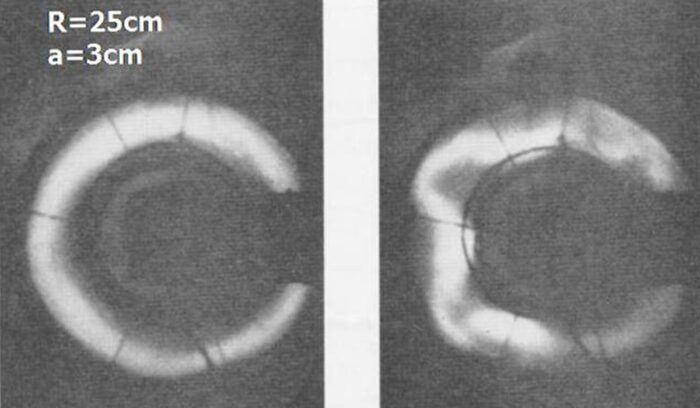
Early photo of plasma inside a pinch machine (Imperial College 1950–1951), for article on theta-pinch fusion

Los Alamos Scylla I produces thermonuclear neutrons in theta-pinch breakthrough

In the spring of 1958, a small device called Scylla I at Los Alamos briefly squeezed hydrogen plasma with a pulsed magnetic field and released a genuine burst of thermonuclear neutrons. Later that year, U.S., Soviet, and British teams declassified their findings at the Geneva conference, turning fusion from a theoretical hope into a shared scientific frontier.

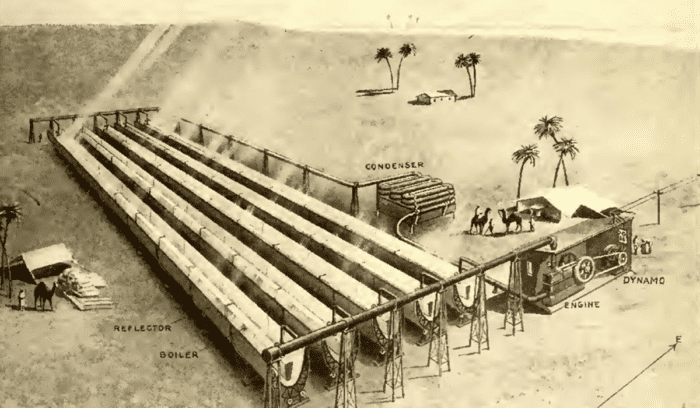
Frank Shuman thermal solar plant concept drawing, for article on solar thermal power

Frank Shuman’s solar thermal power plant proves the sun can run the world

Solar power ran industrial machinery in Egypt in 1913, when American inventor Frank Shuman built the world’s first solar thermal station beside the Nile. His parabolic mirrors pumped 6,000 gallons of water a minute onto cotton fields, no fuel required. Cheap oil buried the idea for sixty years — until engineers rediscovered his design after the 1973 oil crisis.