
Baltimore mayor signs bill banning foam containers
The bill signed Thursday gives businesses 18 months to stop using containers made from this material, commonly called Styrofoam.
This archive tracks real progress on circular economy and zero-waste efforts worldwide — from packaging redesigns and repair-economy expansions to industrial waste-to-resource programs. More than 155 stories document what’s working, who’s driving it, and how communities and companies are closing the loop on consumption.

The bill signed Thursday gives businesses 18 months to stop using containers made from this material, commonly called Styrofoam.
“By 2025, at least 55% of municipal waste (from households and businesses) should be recycled. The target will rise to 60% by 2030 and 65% by 2035.”

U.K.’s largest coffee shop chain has pledged to recycle up to 500m cups a year by 2020 — a fifth of the total used in the country
It is expected to process up to two million tons of solid waste every year this is about 60 percent of the waste produced in the city.
At the World Economic Forum in Davos, 11 companies have announced that they will work towards using 100 percent reusable, recyclable or compostable packaging by 2025 or earlier
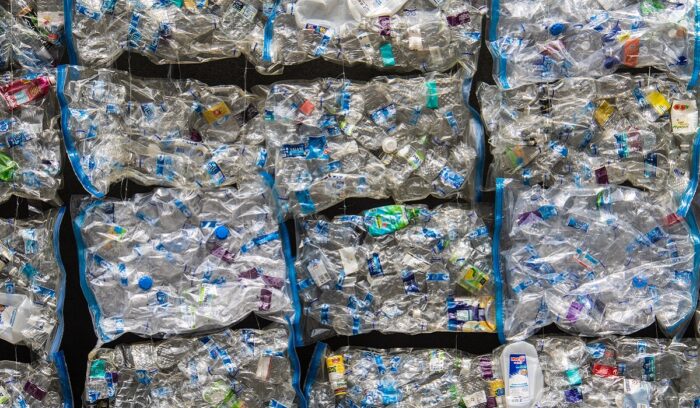
China’s “National Sword” policy banned the import of most plastics and other materials headed for that nation’s recycling processors, which had handled nearly half of the world’s recyclable waste. The move was an effort to halt a deluge of soiled and contaminated materials that was overwhelming Chinese processing facilities and causing environmental havoc. Within one year, China’s plastics imports plummeted by 99%, leading to a major global shift in where and how materials are being processed and incentivizing less wasteful behavior around the world.
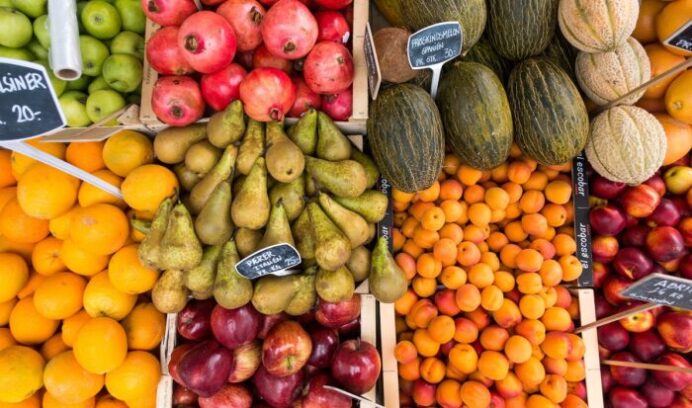
The products are brandless, instead of hiding behind the familiar brand names and packaging we all know and recognise in the supermarkets.
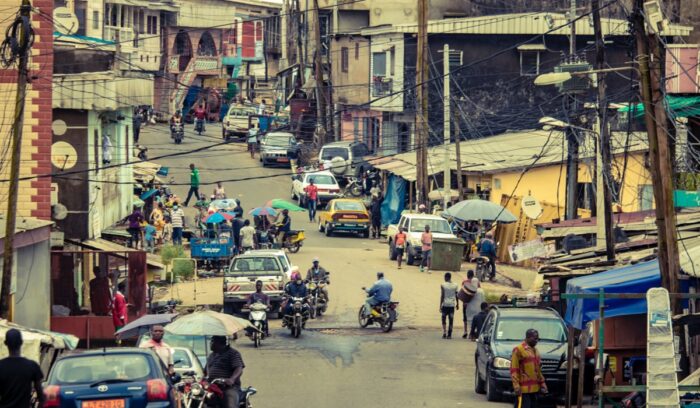
Officials say the recycled slabs have already been used by the Yaounde city council for various projects and by the National Olympic sport committee in the construction of the national handball field.
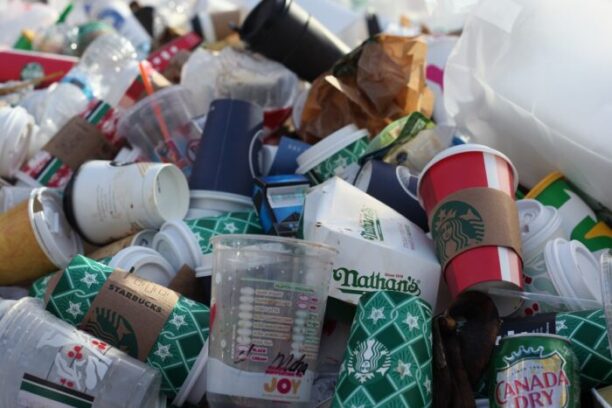
China has for a long time been a key importer of foreign waste- last year it accounted for 56 percent of global imports.
By 2022, Target will source its own brand paper-based packaging from sustainably managed forests, eliminate expanded polystyrene from its brand packaging, add the How2Recycle label to its packaging, and create more demand for recycled packaging.