
Botswana decriminalizes homosexuality
Botswana’s Court of Appeal has declared the government’s appeal unsuccessful, effectively decriminalizing homosexuality in the country, a big win for the LGBTQ+ community.
Sub-Saharan Africa spans dozens of countries south of the Sahara, each with distinct challenges and achievements. This archive collects milestones in health, education, conservation, and economic opportunity from across the region — reported with context and care.

Botswana’s Court of Appeal has declared the government’s appeal unsuccessful, effectively decriminalizing homosexuality in the country, a big win for the LGBTQ+ community.

After a captive-breeding program in Spain, Dama gazelles have been reintroduced in protected reserves in Tunisia, Morocco, and Senegal and number roughly 4,000.

Before, abortion was only permitted if the pregnancy endangered the life of the pregnant woman, was the result of rape, or was conceived in an incestuous relationship.

Albania, Bhutan, Costa Rica, Democratic Republic of Congo, Ethiopia, Iceland, Namibia, Nepal, Norway, and Paraguay all now generate more than 97% of their electricity from renewable sources.

From a previous global estimate of 3,800 individuals, the estimated the global population of Grauer’s gorillas – the world’s largest gorilla subspecies – has almost doubled to 6,800 individuals.
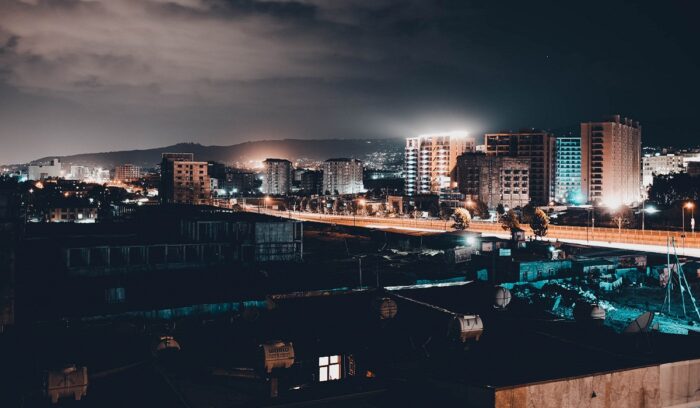
Ethiopia unveiled a $40bn roadmap to build 71 power projects over the next ten years. Of those projects, 16 are hydro-power, 24 wind, 17 steam, and 14 are solar.

The world is officially rid of one particularly insidious fossil fuel that for decades was a major cause of public health problems in developing countries, especially in Africa.
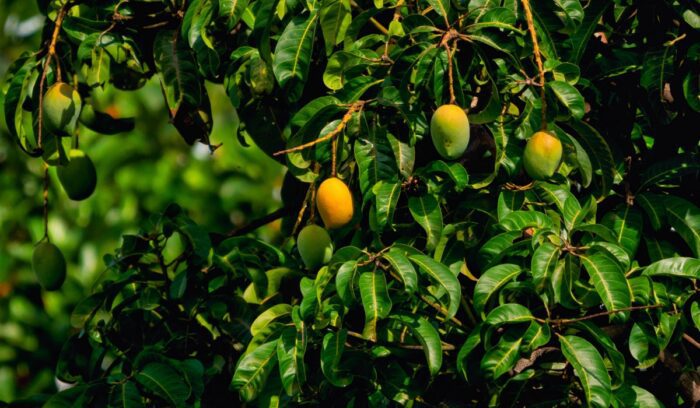
Farmers are learning how to make their degraded lands productive again after joining DryDev, a project led by World Agroforestry that has been working with farmers in Kenya, Burkina Faso, Ethiopia, Mali and Niger since 2013.

In 2019, the Democratic Republic of Congo became one of the last countries in the world to offer free primary education. The new scheme has now permitted four million children to go to school tuition-free.

The decision to abolish capital punishment is a significant step forward for fundamental human rights in Sierra Leone and will be especially beneficial to women and girls found guilty of murdering an abuser.