Southeast Asia

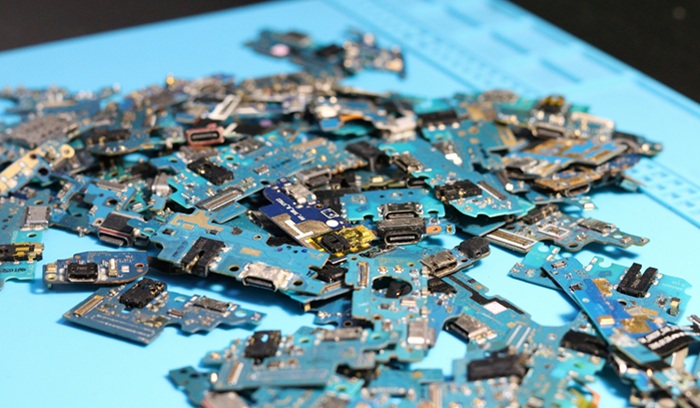
Used computer parts

Malaysia bans electronic waste imports to protect the environment and public health

In a monumental victory for public health and environmental justice, Malaysia has enacted an immediate and absolute ban on the importation of electronic waste. By removing regulatory loopholes and launching a strict enforcement campaign, the nation is successfully preventing toxic heavy metals from polluting its soil and waterways. Authorities have already intercepted hundreds of thousands of kilograms of illegal e-waste at major ports, vowing to return the hazardous materials to their countries of origin. This decisive action establishes Malaysia as a leading force in Southeast Asia’s growing movement to reject global waste and prioritize ecological sustainability.

Elephant

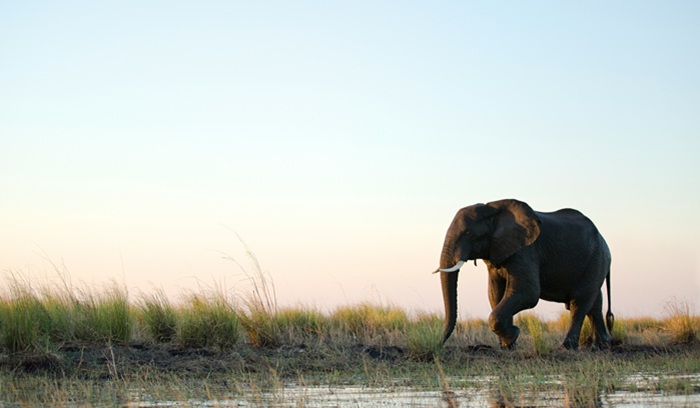
Indonesia bans elephant riding in landmark welfare move

Following years of campaigning by animal welfare organizations, Indonesia has officially banned elephant riding at all tourism and conservation facilities. This landmark directive from the Ministry of Environment and Forestry ends a cruel practice that relies on brutal training and causes long-term harm to endangered elephants. Facilities must now transition to ethical, observation-based tourism models. This major policy shift prioritizes animal welfare over entertainment, setting a powerful example for responsible wildlife tourism across Southeast Asia.

Pride flags and celebration

Supreme Court of the Philippines grants property rights to same-sex couples in historic ruling

In a landmark victory for LGBTQ+ rights, the Supreme Court of the Philippines has ruled that same-sex couples can be legally recognized as co-owners of property. This historic decision applies Article 148 of the Family Code to same-sex unions for the first time, ensuring that partners who build a life together have legal protection for their shared assets. While not legalizing marriage, the ruling validates the legitimacy of these relationships and calls on Congress to enact broader protections, setting a progressive precedent for Southeast Asia.

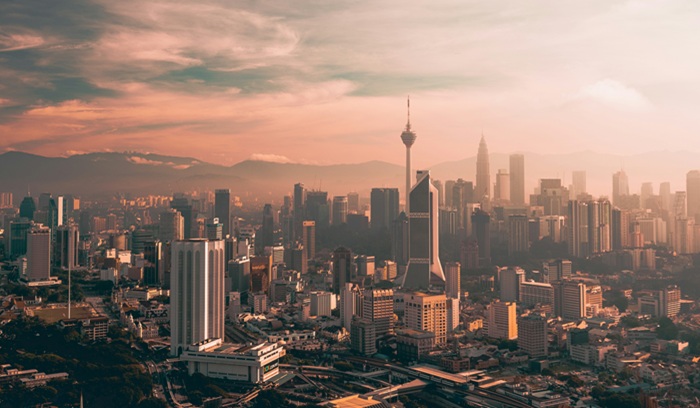
Kuala Lumpur

Malaysia to put over 1,000 electric buses on the road by 2030

Malaysia has kicked off a major initiative to modernize its public transport system by replacing diesel buses with electric vehicles. The government’s strategic plan targets the deployment of 1,100 electric buses by 2030, starting with an initial pilot phase to test operations. This move is designed to drastically reduce urban air pollution and noise while boosting the local green technology sector. By prioritizing zero-emission public transit, Malaysia is taking a decisive step toward its goal of carbon neutrality by 2050.

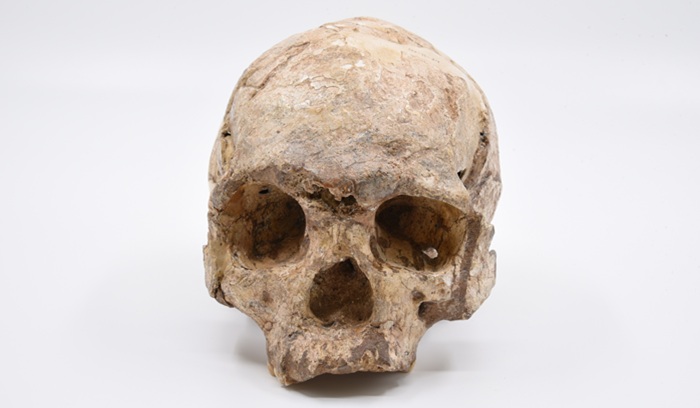
Dubois Collection skull

The Netherlands is returning a fossil collection taken from Indonesia in the colonial era

An important step in cultural justice has been achieved as the Netherlands formally returned thousands of historical and scientific artifacts to Indonesia.
The objects, known as the Dubois Collection, include ancient Javanese treasures, significant natural history fossils, and complete institutional collections. Notably, the return includes materials related to the famous “Java Man” hominid fossil. This transfer empowers Indonesian scholars and citizens with full access to their national history and vital scientific data, serving as an important model for international cooperation and cultural self-determination globally.

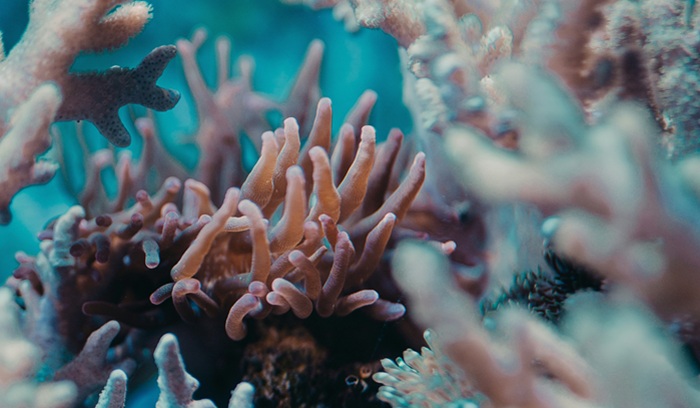
Coral

The Philippines protects massive coral hotspot

A significant victory for marine conservation has been achieved in the Philippines, where a new law establishes a vast marine protected area off Panaon Island. The legally protected seascape covers approximately 151,000 acres and is home to some of the world’s most climate-resilient coral reefs. This action, championed by local communities and a multi-year effort, not only safeguards endangered species but also supports the livelihoods of local fisherfolk.

Timor-Leste coastline

World Health Organization certifies Timor-Leste as malaria-free

The World Health Organization certifies malaria elimination when a country has zero indigenous cases for three consecutive years. So far, 47 countries and one territory have earned this status. A Southeast Asian nation, committed to fighting malaria since gaining independence in 2002, has now joined them—demonstrating the impact of sustained, focused efforts to defeat this devastating disease.

Silhouette behind prison bars

Vietnam abolishes death penalty for eight crimes

The legal reforms in Vietnam ended the death penalty for eight crimes, including trying to overthrow the government, damaging state infrastructure, making and selling fake medicine, starting wars, spying, drug trafficking, embezzlement, and taking bribes. The new rules also say that anyone already sentenced to death for these crimes but not yet executed by July 1 will have their sentence changed to life in prison after a final decision by Vietnam’s highest court.

Crocodile from above

Siamese crocodile release into the wild marks conservation milestone in Cambodia

The Siamese crocodile is one of the world’s rarest crocodilians, with less than 1,000 individuals estimated to be surviving in the wild. The species hasn’t been sighted for more than 20 years in Virachey, one of Cambodia’s most remote national parks. Combined with recent record-breaking hatchings both in the wild and in captivity, as well as new records of releases into the Cardamom Mountains from the NGO Fauna & Flora, conservationists hope to build a species stronghold in Cambodia.

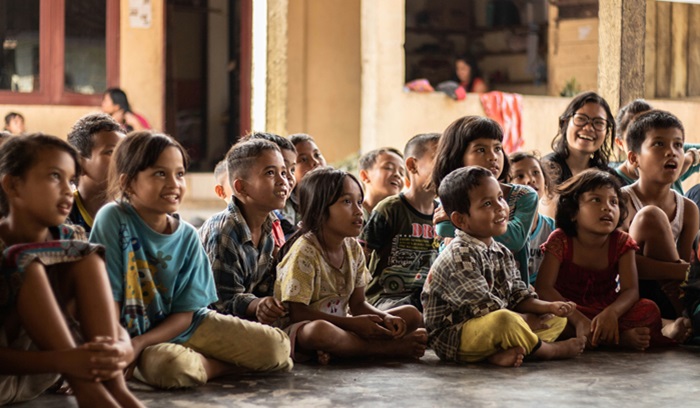
Indonesian children smiling

Nine Asian nations have cut child mortality by more than half since 2000

Child mortality in Asia has fallen sharply, especially in Afghanistan, Bangladesh, Cambodia, China, India, Indonesia, Laos, Myanmar, and Nepal, which have all seen a decline of at least 50% since 2000. This progress amounts to millions more children surviving through the crucial early years of life. Particularly noteworthy, India’s child mortality fell from 9% to 3% and China’s from 4% to just 1%. These huge strides have been made possible by improved nutrition, clean water, sanitation, vaccinations, and poverty reduction.