South America

Bees

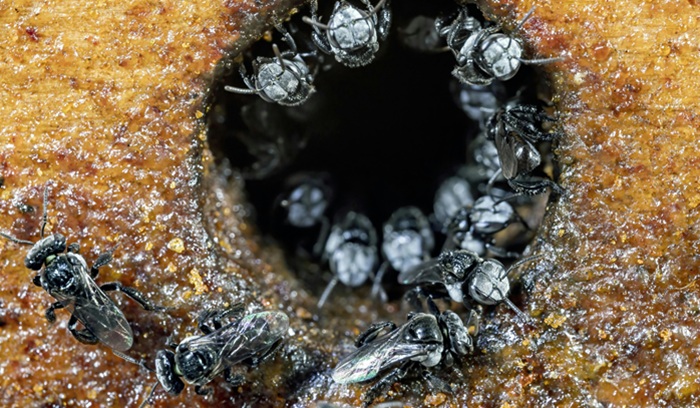
Stingless bees from the Amazon granted legal rights in world first

In a historic environmental breakthrough, the Peruvian municipalities of Satipo and Nauta have become the first in the world to grant legal rights to native stingless bees. The ordinances recognize the bees’ right to exist and flourish, protecting them from threats like deforestation and invasive Africanized honeybees. This legislation integrates the traditional knowledge of the Asháninka and Kukama-Kukamiria peoples with modern law. It allows human guardians to represent the bees in court, setting a powerful new precedent for protecting biodiversity through the Rights of Nature.

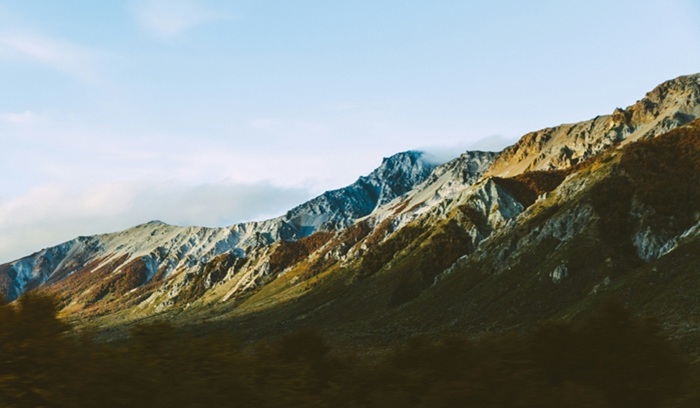
Mountain landscape with blue sky in background

More than 325,000 acres of Chilean Patagonia now protected after “remarkable” local fundraising

In a monumental victory for grassroots conservation, a local coalition has successfully raised 78 million dollars to purchase and protect approximately 328,000 acres of pristine wilderness in Chilean Patagonia. This massive area, known as Hacienda Pucheguin, is home to ancient alerce forests, glaciers, and endangered wildlife like the huemul deer. The initiative, led by the NGO Puelo Patagonia, prevents industrial development and establishes a new model for private conservation that integrates sustainable ecotourism and community stewardship.

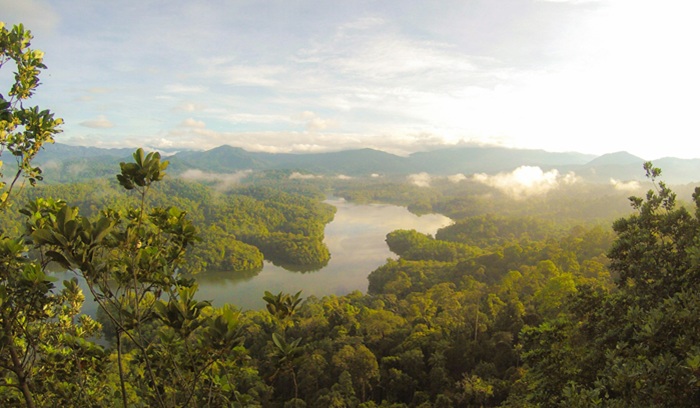
Aerial view of river running through rainforest

Bolivia declares its first Indigenous protected area in its Amazon

In a historic victory for conservation and Indigenous rights, Bolivia has designated Loma Santa as the first Indigenous Protected Area in its Amazon region. This landmark decision grants legal authority to the Moxeño Ignaciano, Yuracaré, and Tsimane peoples to manage their ancestral lands. By securing land tenure, the move protects vital rainforest ecosystems from illegal encroachment and deforestation. This model of Indigenous-led stewardship empowers local communities and sets a powerful precedent for environmental justice across the Amazon basin.

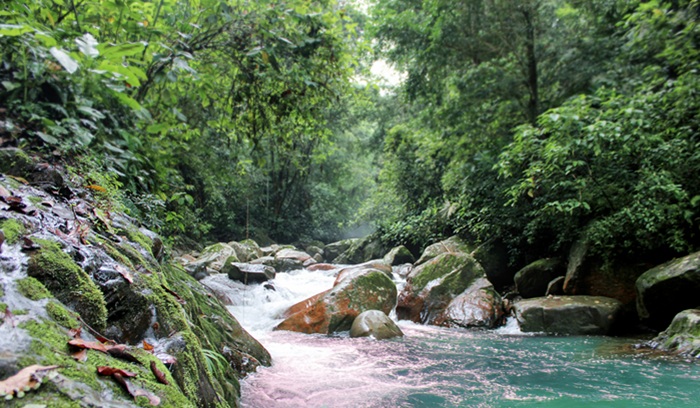
River running through rainforest

Colombia bans all new oil and mining projects in its Amazon

In a decisive victory for the environment, the Colombian government has declared a halt to all future industrial extraction within its rainforest territories. This policy protects 42% of the nation’s territory, immediately stopping hundreds of pending permits. The ban prioritizes biodiversity, water systems, and Indigenous land rights over short-term profit. By shifting focus to a sustainable bioeconomy, Colombia is setting a powerful example of environmental sovereignty for the entire Amazon basin.

Nine nations commit to recognizing 395 million acres of Indigenous land by 2030

A landmark international coalition has committed to formally recognizing 395 million acres of Indigenous and traditional community lands worldwide. The nine countries making this pledge are Brazil, Colombia, Costa Rica, Ecuador, Gabon, Guatemala, the Republic of Congo, Peru, and Venezuela. This massive commitment to land tenure security empowers millions of Indigenous and local people to be the primary stewards of their ancestral territories, ensuring the permanent protection of globally vital carbon sinks and biodiversity hotspots.

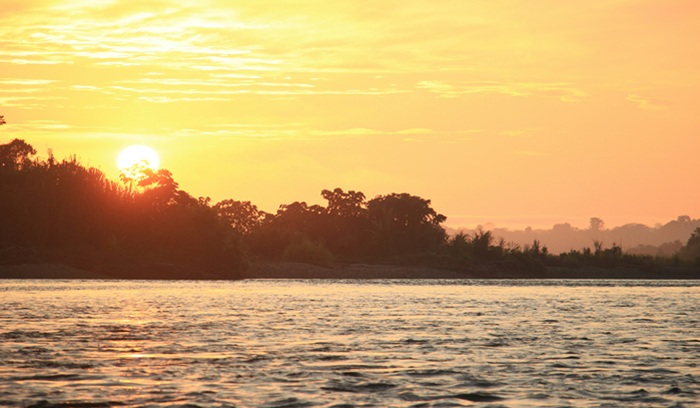
Sunset over a river

Brazil dismantles hundreds of illegal dredges in major Amazon mining crackdown

A groundbreaking environmental victory has been secured in the Amazon through the removal of hundreds of illegal river machines. These large, floating mining dredges were the primary source of toxic mercury contamination in the waterways. The decisive government action significantly reduces public health risks for Indigenous communities who rely on fish for food. This vital enforcement protects tribal land sovereignty and allows damaged river ecosystems to begin their natural recovery.

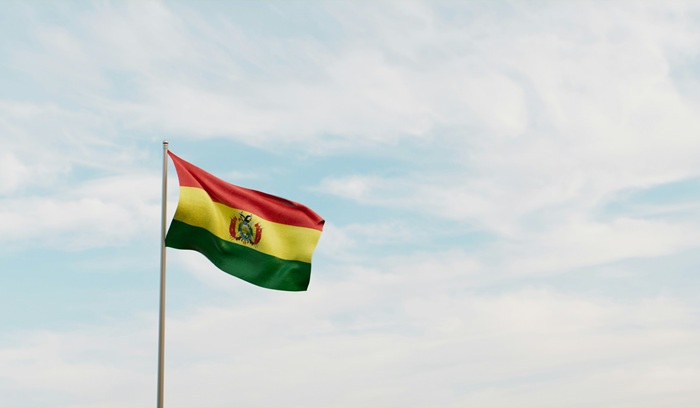
Bolivian flag

Bolivia bans child marriage

In a major victory for children’s rights, Bolivia has passed a law that officially bans child marriage. This landmark legislation, which makes Bolivia the 14th country in Latin America to take this step, eliminates legal loopholes that had previously allowed 16- and 17-year-olds to marry with parental consent. The change is the result of a four-year campaign by groups like Save the Children, and it’s a powerful move to protect children from violence and ensure they have a chance at a healthy future.

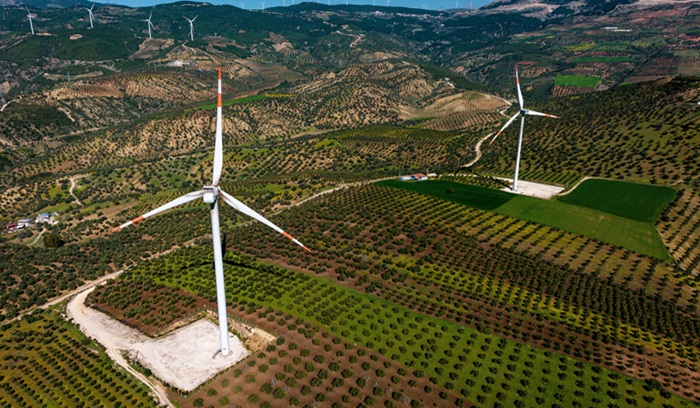
Wind turbines on a farm

Wind and solar power fuel over one-third of Brazil’s electricity for first time

Brazil has reached a clean energy milestone: in August, wind and solar supplied more than one-third of the country’s electricity for the first time. This rapid growth has cut emissions, created thousands of jobs, and reduced dependence on hydropower, which is increasingly vulnerable to drought. According to the International Energy Agency and World Bank, Brazil now leads emerging economies in showing how renewables can meet rising demand while slashing carbon pollution. The achievement positions Brazil as the only G20 nation currently on track to meet its COP28 renewable energy commitments.

Indigenous person from Colombia

Landmark ruling protects Indigenous Colombians from mercury pollution

The Colombian Constitutional Court has issued a landmark ruling. It orders the government to protect 30 Indigenous Amazonian communities from illegal gold mining and its devastating mercury pollution. The court found that contamination poses a direct threat to the communities’ health, food sources, and cultural survival. The decision establishes a clear legal obligation for state action, setting a powerful precedent for Indigenous-led environmental justice.

Mosquito on a leaf

Suriname becomes first country in the Amazon region to eliminate malaria

Suriname has officially been certified malaria-free by the World Health Organization (WHO). This certification marks the successful interruption of indigenous malaria transmission for at least three consecutive years – a major step forward in the global fight against one of humanity’s deadliest diseases. With today’s announcement, WHO has now certified 46 countries and one territory malaria-free – and each one has successfully prevented the re-establishment of the disease.