
North & Central America

This archive covers progress stories from North and Central America, spanning the U.S., Canada, Mexico, and the nations of Central America. Readers will find reporting on health, environment, community resilience, and policy advances across the region.

px Flag of the Iroquois Confederacy, for article on Haudenosaunee Confederacy, for article on machu picchu construction

Five nations found the Haudenosaunee Confederacy, a great league of peace

The Haudenosaunee Confederacy united five northeastern nations—Mohawk, Oneida, Onondaga, Cayuga, and Seneca—under a shared constitution sometime before European contact, with scholars placing its founding anywhere from 1142 to 1660 C.E. Guided by Deganawidah, Hiawatha, and Jigonsaseh, a Grand Council of 50 sachems governed by consensus, building one of the most sophisticated political systems in the pre-contact Americas.

chris liverani unsplash, for article on squash domestication

Mesoamerican peoples domesticate squash, creating one of humanity’s first crops

Squash domestication began in southern Mexico’s Oaxaca Valley, where by around 6,000 B.C.E. people were already cultivating the wild ancestor of today’s pumpkins and zucchini. Season after season, early farmers saved seeds from the best plants, slowly transforming a bitter gourd into reliable food. It stands among the earliest known acts of agriculture anywhere on Earth.

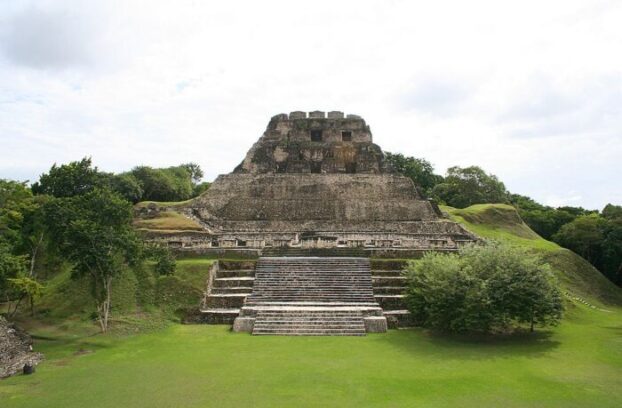
px Xunantunich, for article on classic Maya civilization

Maya civilization reaches its peak in what is now Belize

Classic Maya Belize, around 800 C.E., supported somewhere between 400,000 and one million people across a landscape of stone cities, terraced fields, and astronomical observatories. At Altun Ha, archaeologists recovered one of the finest jade carvings known from the entire Maya world. It’s a reminder of how much a society can build when given fertile land and time.

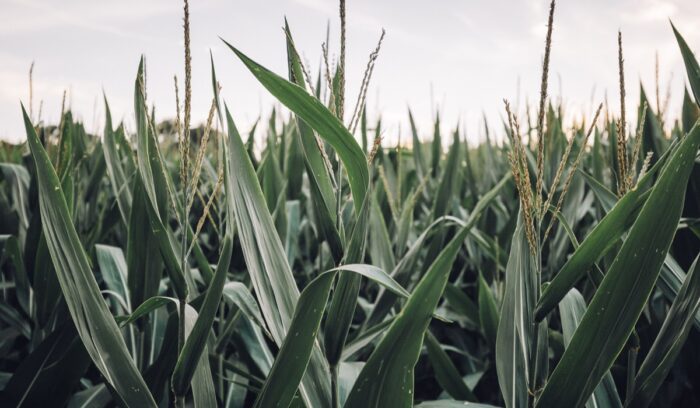
image for article on agriculture in the Americas

Agriculture develops independently in the Americas across three regions

Agriculture in the Americas emerged not once but at least three separate times, with cultivated crops appearing in Mexico and South America as early as 7500 B.C.E. Indigenous farmers domesticated maize, potato, tomato, cacao, and quinoa, and engineered systems like the Three Sisters and Andean terraces. It stands as one of history’s clearest cases of humans independently inventing farming.