North & Central America

New York City at night

Millions of New York City workers gain additional time off through new law

Millions of workers in New York City are benefiting from a major expansion of the Protected Time Off Law, which officially took effect in late February 2026. The progressive legislation grants employees an additional 32 hours of unpaid, protected leave that is available immediately upon hire or at the start of the calendar year. This ensures workers do not have to wait to accrue hours before addressing sudden medical emergencies or family crises. The law also vastly expands permitted uses to include mental health care, public disaster recovery, and caring for disabled loved ones.


Arctic village

Canada to fund first Inuit-led university as part of major announcement for Inuit communities

The federal government has announced a $50 million investment to help build Canada’s first Inuit-led university, which is set to open its main campus in Arviat, Nunavut, by 2030. This landmark project aims to reverse historical inequities by allowing Inuit students to pursue culturally grounded higher education without leaving their homeland. The historic funding is part of a broader $228 million federal package that also includes vital investments in child welfare, food security, and the elimination of tuberculosis across northern communities.

Medieval Indian sculpture

U.S.’s Smithsonian Institution to return stolen medieval sculptures to India

The Smithsonian National Museum of Asian Art is officially returning three ancient bronze sculptures to India after an internal investigation confirmed they were illegally removed from Tamil Nadu temples in the mid-twentieth century. In a unique collaborative agreement, the Indian government will allow one returned sculpture, a tenth-century Shiva Nataraja, to remain at the Washington museum on a long-term loan for educational display. This arrangement highlights a growing international commitment to decolonizing museum spaces, prioritizing transparent provenance research, and fostering cross-cultural cooperation to correct historical wrongs.

Bison

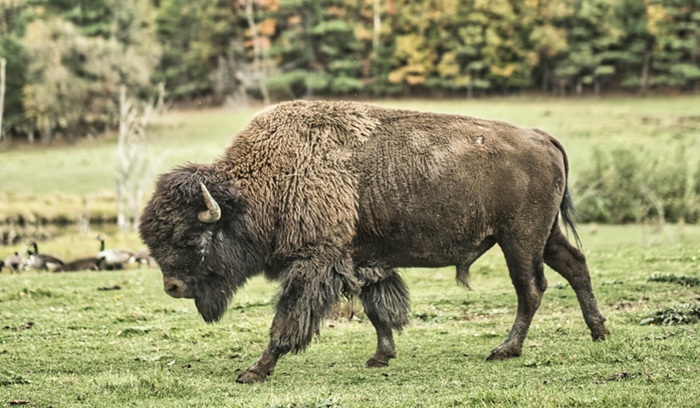
Wild bison return to Illinois prairie after nearly 200 years

In a historic moment for conservation, wild bison have returned to the Illinois prairie for the first time in nearly two centuries. The Nature Conservancy has successfully reintroduced a genetically pure herd to the Nachusa Grasslands, marking the first time wild bison have roamed east of the Mississippi since the 1830s. This ecological milestone aims to restore the health of the tallgrass prairie, as the bison’s natural grazing habits boost biodiversity and support other native species. The project offers a powerful model for rewilding and connecting communities with their natural heritage.

Peeling paint

Lead pollution plummets 100-fold in the U.S. over last century

A new study analyzing over a century of human hair samples reveals a massive environmental victory: lead pollution in the US has dropped by 100-fold since 1916. Researchers at the University of Utah confirmed that regulations like the Clean Air Act and the ban on leaded gasoline drove concentrations from nearly 100 ppm to less than 1 ppm. This dramatic decline has protected millions of children from neurotoxic exposure, proving the incredible efficacy of science-based environmental policy over the last century.

High schoolers

New Jersey becomes latest U.S. state to ban student phones in schools

Governor Phil Murphy has signed a “bell-to-bell” cellphone ban for all New Jersey public schools, joining a growing list of states like Florida and Indiana in restricting device use. The law, effective for the 2026-2027 school year, requires phones to be stored away throughout the entire school day to improve student focus and mental health. This comprehensive policy reflects a rising bipartisan consensus across the U.S. that removing digital distractions is essential for restoring a healthy, engaging educational environment.

Planting a tree

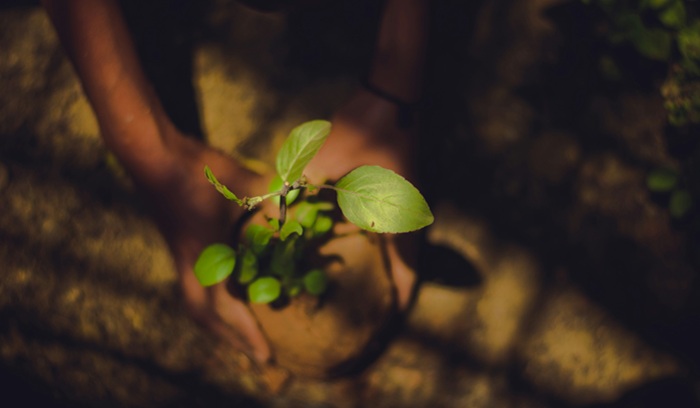
Guatemala launches historic rewilding of oil fields to protect the Maya Forest

Guatemala has launched a historic rewilding initiative by permanently closing the Xan oil field inside Laguna del Tigre National Park. This decision protects a massive ecosystem spanning approximately 827,000 acres, which is critical for jaguars and migratory birds. Instead of dismantling the site entirely, the government is repurposing the industrial infrastructure into a security base for rangers to fight illegal deforestation. This innovative “oil-to-wilderness” transition prioritizes ecological recovery and water security, setting a new global standard for retiring fossil fuel assets in protected areas.

Mexican flag

Middle class Mexicans now outnumber those in poverty for the first time

The August report from Mexico’s National Institute of Statistics and Geography confirms that the number of Mexicans living in poverty fell from 51.9 million in 2018 to 38.5 million in 2024. This massive reduction of over 13 million people is driven by sustained minimum wage hikes and robust social safety nets. This demographic shift validates recent social policies and offers a hopeful model for inclusive growth in emerging economies.

American money

More than $6 billion in medical debt erased in North Carolina in 2025

In a historic move for economic justice, North Carolina has erased over 6.5 billion dollars in medical debt over the course of 2025, benefiting nearly 2.5 million residents. Governor Josh Stein announced the relief, which was achieved through a partnership with 60 hospitals that agreed to forgive old debt in exchange for higher Medicaid reimbursement rates. This massive initiative removes financial barriers to care, helps families repair their credit scores, and serves as a powerful national model for leveraging state policy to solve the medical debt crisis.

Mouse

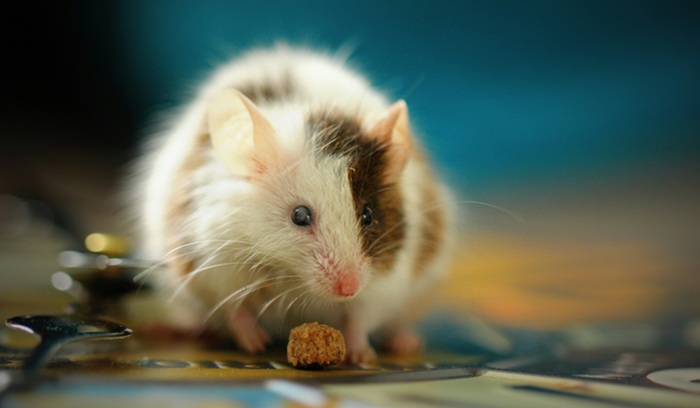
American scientists fully reverse Alzheimer’s in mice

Researchers from Case Western Reserve University and the Cleveland VA Medical Center have successfully reversed Alzheimer’s symptoms in mice using a compound called P7C3-A20. This experimental drug works by protecting brain cells from death and repairing the blood-brain barrier. In the study, treated mice regained their memory and ability to navigate mazes, performing as well as healthy mice. This neuroprotective approach offers a promising new direction for treating human neurodegenerative diseases with a daily pill.