
Decline in plastic bags on seabed near U.K. suggests measures to tackle waste are working
The number of plastic bags found on the seabed has plummeted, suggesting efforts to combat plastic pollution are working.
This archive covers progress stories from across Europe, spanning the U.K., Scandinavia, the E.U. and beyond. Readers will find reporting on health, climate policy, social welfare, science and more — drawn from nearly 1,200 articles tracking real gains made by communities, governments and researchers throughout the region.
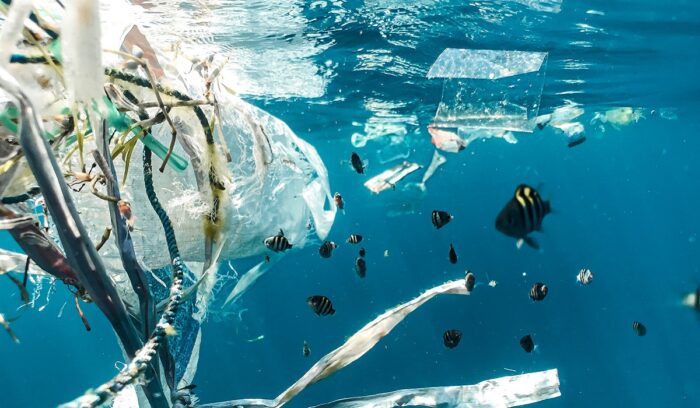
The number of plastic bags found on the seabed has plummeted, suggesting efforts to combat plastic pollution are working.

Waitrose, with more than 350 stores in the U.K., will stop using disposable coffee cups in a move the supermarket says will save 52 million cups a year.
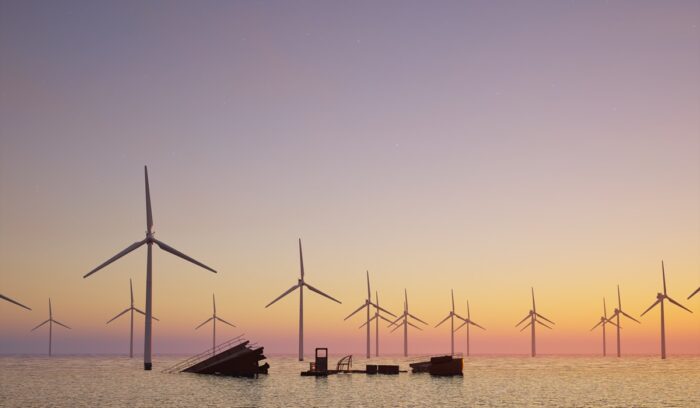
Onshore wind turbines in Scotland are set for another bumper year of generation, with figures for the first three months of 2018 revealing a 44 per cent uptick in wind power output compared to the same time last year.

The department store has not stocked single-use water bottles for almost two years and it hopes the latest plan will encourage its clientele to stop using throwaway plastic and instead look to purchase aluminium cans or glass.
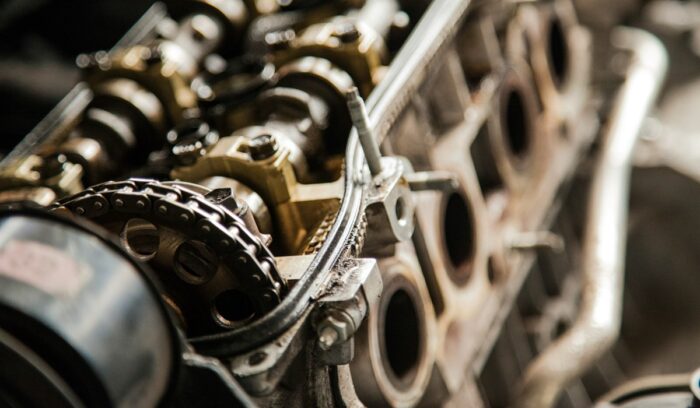
A decline in diesel-car sales in Germany accelerated in March, the first month after a court ruled that cities can ban vehicles to tackle pollution.

Renewable energy accounted for 103.6% of Portugal’s electricity consumption last month.

“With storage we can smooth out the intermittence of renewable energy and guarantee the balancing of power grids,” EDF chief executive Jean-Bernard Levy told reporters.
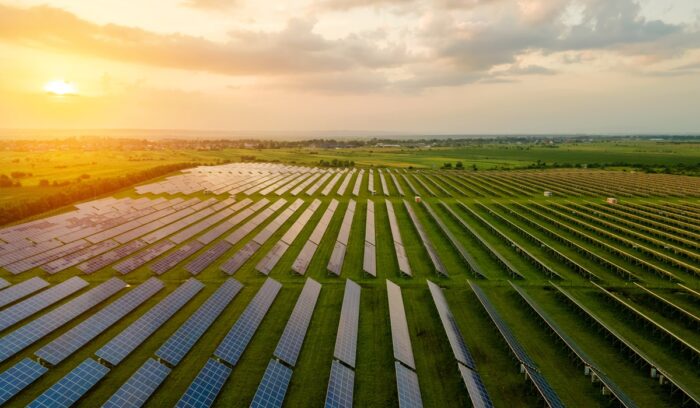
The $25 million in financing from the EIB will enable d.light design to develop the installation of solar kits in sub-Saharan Africa and aim to hit its goal of reaching 10 million solar installations within 5 years.

A £220 million Clean Air Fund is set to tackle roadside emissions, which is part of a £260 million plus package from the government to improve air quality.
The Renault-Nissan-Mitsubishi Alliance is working to produce an electric car that uses solid-state batteries as early as 2025, in a move that puts it amid the frontrunners in the global race to launch the next generation of electric vehicles.