
Costa Rica bans fishing of hammerhead sharks
Despite being critically endangered, hammerhead sharks have been bought and sold in Costa Rica for years, with demand being driven by shark fin soup.
This archive tracks verified progress in marine conservation — from protected area expansions and coral reef restoration to fishing reforms and plastic reduction efforts. Across 146 articles, you’ll find evidence-based reporting on the people, policies, and science making headway for ocean ecosystems worldwide. The ocean covers more than 70% of Earth’s surface, and the work being done to protect it deserves more than alarm — it deserves attention.
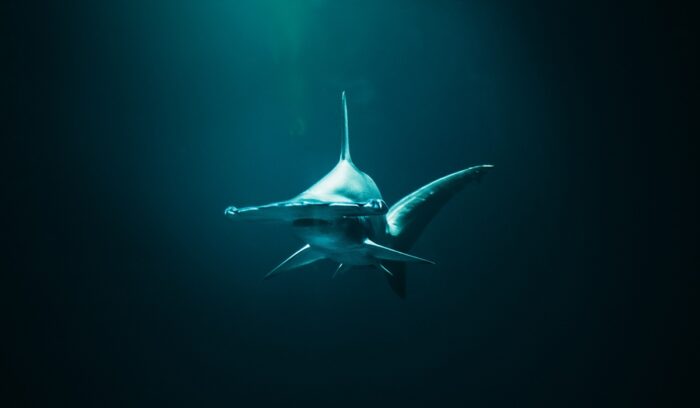
Despite being critically endangered, hammerhead sharks have been bought and sold in Costa Rica for years, with demand being driven by shark fin soup.

The penalties for breaking the statute are steep: $500 for a first offense, $2,000 for a second, and $10,000 for any subsequent violations.

The mining project would have been located less than 10 kilometers from the Great Barrier Reef and at risk of causing “irreversible damage.”

For years, Thailand has focused on curtailing its illegal trade in terrestrial wildlife. Recently, the country has been doing the same for coral species, a critical element of its marine ecosystems.
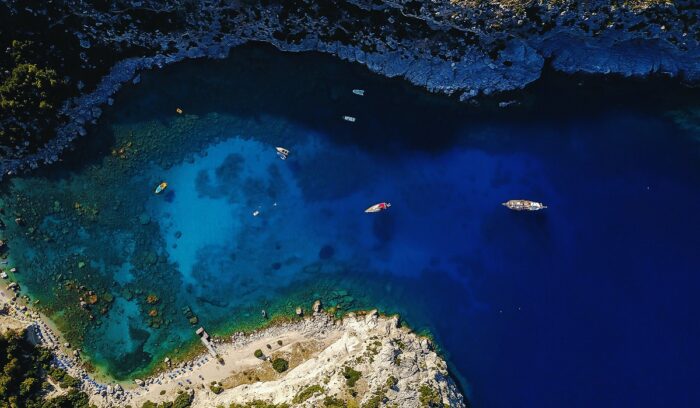
The Nature Conservancy announced it will work with partners to buy a piece of Barbados’ national debt and refinance it to facilitate this goal.

A new study from the University of Auckland shows that reef manta ray populations in the region have seen up to 10.7% compound annual increase from 2009-2019.
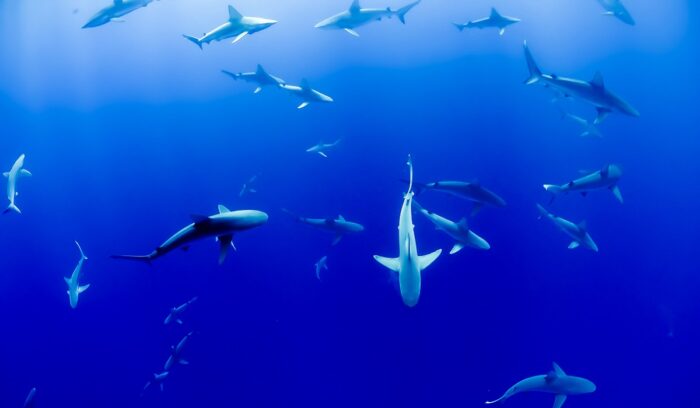
Before the Senate passed this legislation, 14 states and three U.S. territories had already banned the sale and possession of shark fins. The new bill will prohibit the fin trade across the entire U.S.
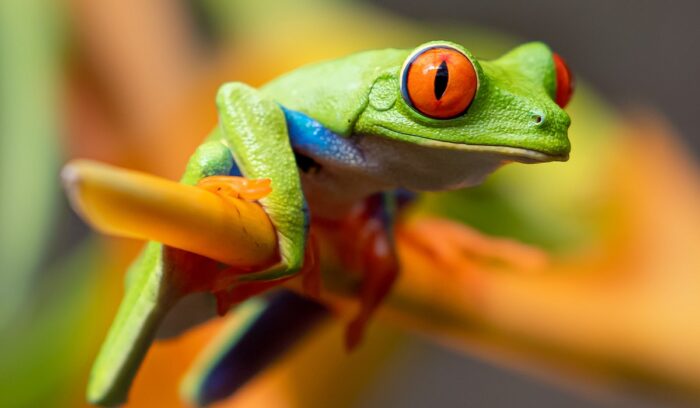
The countries have agreed to cut fertilizer runoff from farms by 50% and reduce the risk of pesticides by 50%, while putting $200 billion annually toward biodiversity by 2030.

The measure adopted by the Western and Central Pacific Fisheries Commission is seen as a major and potentially precedent-setting win for conservationists.
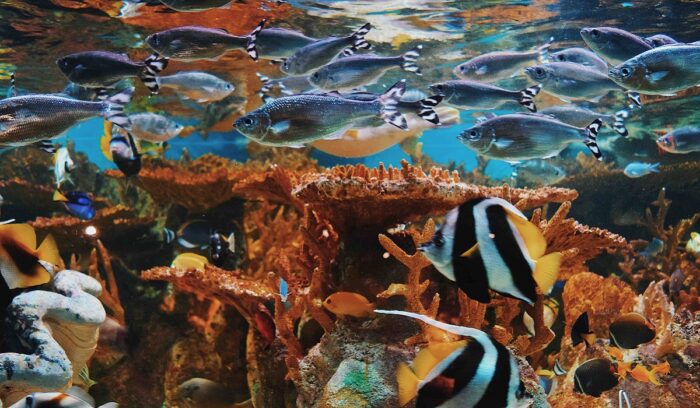
The small island nation in the South Pacific Ocean has designated its entire exclusive economic zone — an area about the size of Vietnam — as a multiple-use marine park called Niue Nukutuluea.