Marine conservation

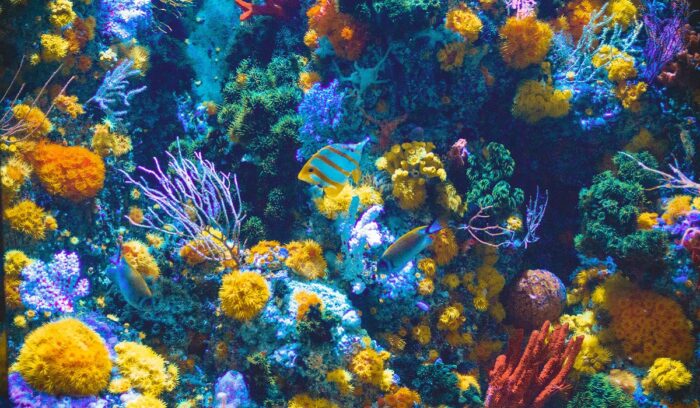
This archive tracks verified progress in marine conservation — from protected area expansions and coral reef restoration to fishing reforms and plastic reduction efforts. Across 146 articles, you’ll find evidence-based reporting on the people, policies, and science making headway for ocean ecosystems worldwide. The ocean covers more than 70% of Earth’s surface, and the work being done to protect it deserves more than alarm — it deserves attention.

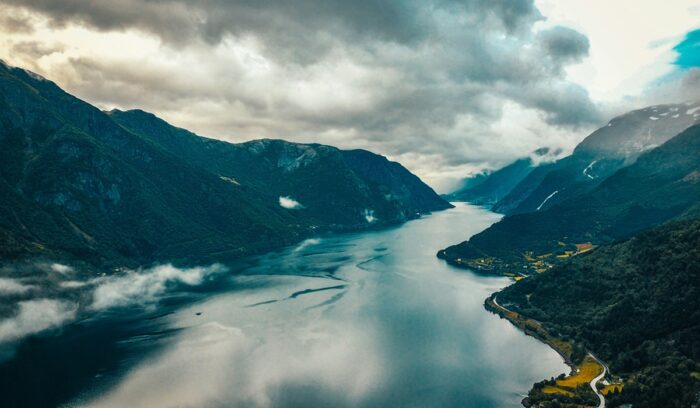
Fjord

Norway moves aggressively to curb cruise ship emissions to protect fjords

Starting in 2026, only ships powered by alternative fuels will be allowed to visit Norway’s fjords. Lawmakers want to protect the unique natural environment and stop marine diesel oil and mass tourism from damaging the climate. Some ships are now powered by liquefied natural gas (LNG), but that will no longer qualify as an acceptable fuel for cruise ships visiting the fjords of Norway.

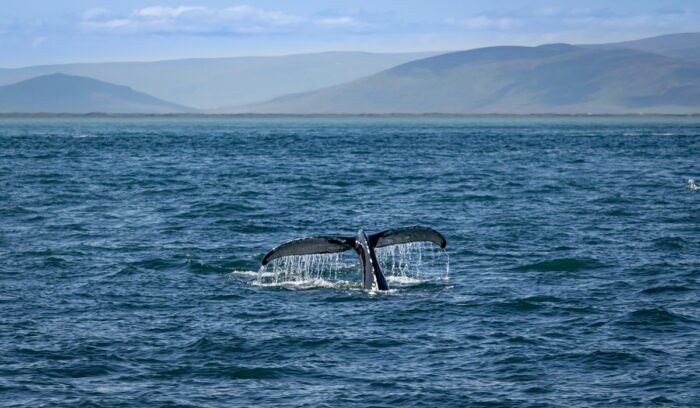
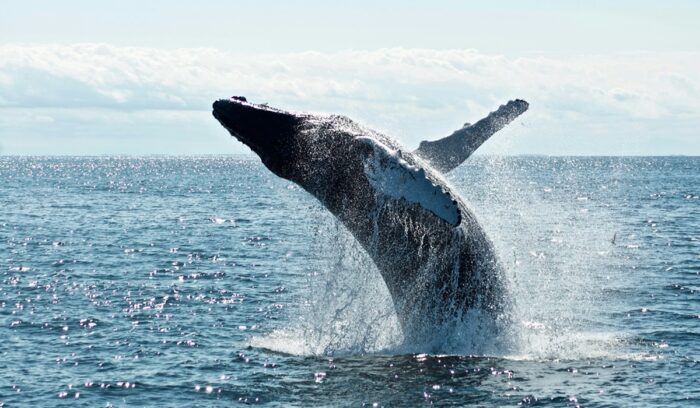
Whale's tail, for article on sperm whale reserve

Dominica to create world’s first sperm whale reserve

Dominica’s new sperm whale reserve will safeguard roughly 200 whales living year-round in an 800-square-kilometer stretch of ocean off the island’s western coast — the first protected area in the world designed specifically for this species. Commercial fishing and large ships will be kept out, while local artisanal fishers can keep working the waters they’ve always known. Scientists have found that these whales pass down distinct cultural traditions across generations, a kind of learning once believed to belong only to humans. By treating whale protection as part of its own climate resilience, a small island nation is showing that nature-based conservation can be ambitious, community-minded, and quietly revolutionary all at once.

View of mountains and water in British Columbia, for article on BC nature conservation agreement

British Columbia, Canadian government, and First Nations announce $1 billion conservation agreement

British Columbia’s new $1 billion nature agreement aims to more than double the share of the province protected from industrial activity, building on roughly 15 percent today. Signed by Canada’s federal government, the province, and First Nations leaders, it’s the first three-way conservation deal of its kind in the country — with Indigenous nations recognized as co-architects rather than consultees. The funding will go toward safeguarding old-growth forests, restoring degraded ecosystems, and supporting the salmon-bearing watersheds that communities have relied on for generations. As nearly 200 countries work toward the global goal of protecting 30 percent of lands and waters by 2030, this framework offers a hopeful template for how conservation and Indigenous leadership can move forward together.