Marine conservation

This archive tracks verified progress in marine conservation — from protected area expansions and coral reef restoration to fishing reforms and plastic reduction efforts. Across 146 articles, you’ll find evidence-based reporting on the people, policies, and science making headway for ocean ecosystems worldwide. The ocean covers more than 70% of Earth’s surface, and the work being done to protect it deserves more than alarm — it deserves attention.

Creek flowing

‘NATURE’ becomes an official streaming artist to raise millions for conservation

Through the new “Sounds Right” project, ‘NATURE’ itself is registered as a streaming artist on major music streaming services like Spotify and Apple Music. This allows the Earth’s audio cameos to bring in money for protecting the environment worldwide. Streaming royalties earned by ‘NATURE’ will be collected by the EarthPercent conservation nonprofit, which hosts the Sounds Right Conservation Fund. The money will go to rights-based projects that focus on the world’s most biodiverse and threatened regions.

Aerial view of open ocean waves for an article about the E.U. ocean investment of €3.5 billion

The E.U. makes its biggest-ever ocean investment at €3.5 billion

The European Union’s €3.5 billion ocean conservation pledge, announced at the Our Ocean Conference, is the largest single ocean commitment any government has ever made at the forum. The package funds marine pollution reduction, sustainable fisheries reform, blue economy innovation, and international ocean governance — including support for implementing the landmark High Seas Treaty. For coastal communities across Europe, the investment represents real economic stakes, not just environmental symbolism. The scale and specificity of the commitment sets a new bar for wealthy nations and signals that ocean protection can move from aspiration to action.

Leopard shark / Zebra shark

Rewilding program ships eggs around the world to restore Raja Ampat zebra sharks

The Shark Reef Aquarium on the Las Vegas Strip in Nevada has been sending zebra shark eggs to Indonesia’s Raja Ampat. Researchers hope to release 500 zebra sharks into the wild within 10 years in an effort to support a large, genetically diverse breeding population.
A survey estimated the zebra shark had a population of 20 spread throughout the Raja Ampat archipelago, making the animal functionally extinct in the region.

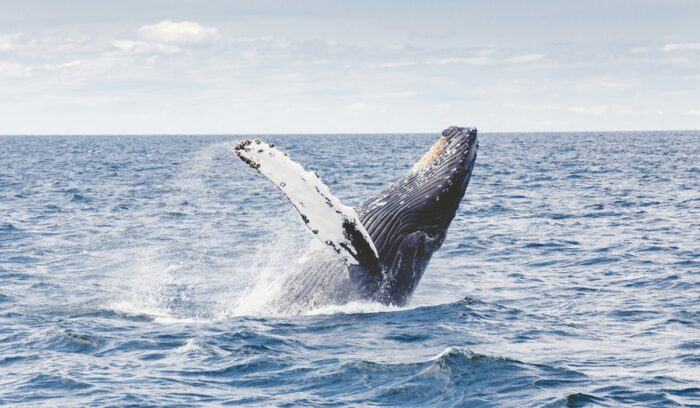
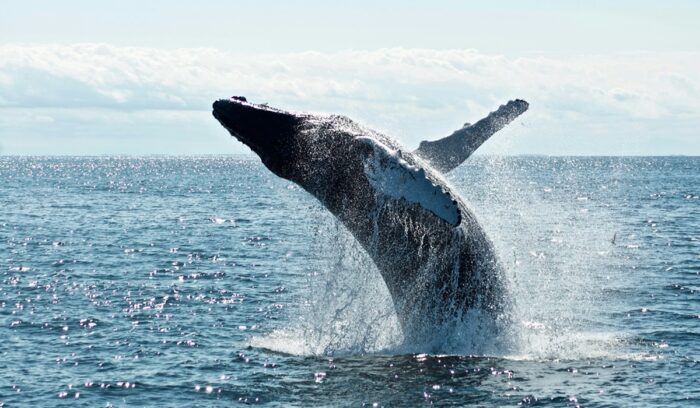
Whale jumping

In move to protect whales, Polynesian Indigenous groups give them ‘personhood’

Indigenous leaders of New Zealand, Tahiti, and the Cook Islands signed a historic treaty that recognizes whales as legal persons in a move conservationists believe will apply pressure to national governments to offer greater protections for the large mammals. “It’s fitting that the traditional guardians are initiating this,” said Mere Takoko, a Māori conservationist who leads Hinemoana Halo Ocean Initiative, the group that spearheaded the treaty. “For us, by restoring those world populations we also restore our communities.”

Spotted owl

Biden administration restores threatened species protections in the U.S. dropped by Trump

Among the changes, the U.S. Fish and Wildlife Service will reinstate a decades-old regulation that mandates blanket protections for animals and plants newly classified as threatened. That means officials won’t have to craft specific plans to shield each individual species while protections are pending, as has been done recently with North American wolverines in the Rocky Mountains, alligator snapping turtles in the Southeast and spotted owls in California.

Streets of Palau Koror and coves of coral reefs, for article on High Seas Treaty

Palau is the first nation to ratify treaty to protect high seas

Palau just became the first country in the world to ratify the High Seas Treaty, the international agreement aimed at protecting the two-thirds of the ocean that lies beyond any nation’s borders. This tiny Pacific nation of around 340 islands has long led by example, having already shielded 80% of its own waters from fishing and mining — the highest share of any country on Earth. Once 60 nations ratify, the treaty becomes binding law, opening the door to marine protected areas, environmental reviews, and shared benefits from deep-sea discoveries. Chile and the Maldives are close behind, with advocates hopeful the threshold could be met by mid-2025. Palau’s message is simple and powerful: the ocean has no borders, and protecting it is a shared inheritance.

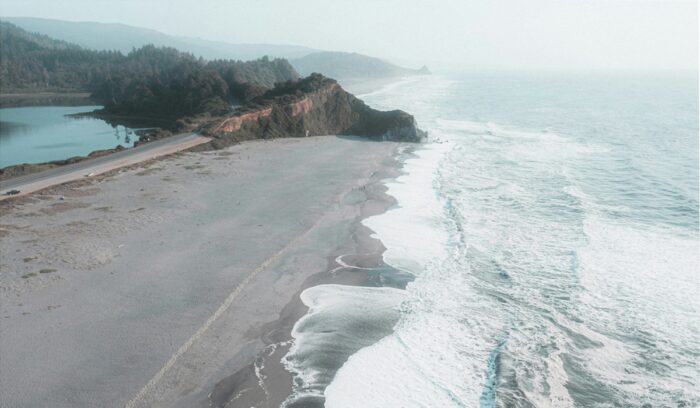
California coast, for article on Indigenous Marine Stewardship Area

First ever U.S. Indigenous Marine Stewardship Area declared in California

Indigenous marine stewardship just took a historic leap: three sovereign tribal nations along California’s northern coast have declared nearly 700 square miles of ocean and coastline under their own protection — the first Indigenous Marine Stewardship Area in U.S. history. The Tolowa Dee-ni’ Nation, the Resighini Tribe, and the Cher-Ae Heights Indian Community didn’t ask permission. They drew on their own authority to safeguard kelp forests, estuaries, salmon, and the surf smelt that Jaytuk Steinruck describes in songs going back forever. Their work alone covers 13% of California’s goal to protect 30% of its lands and waters by 2030. It’s a powerful reminder that the people who’ve stewarded these places for millennia are still leading the way home.

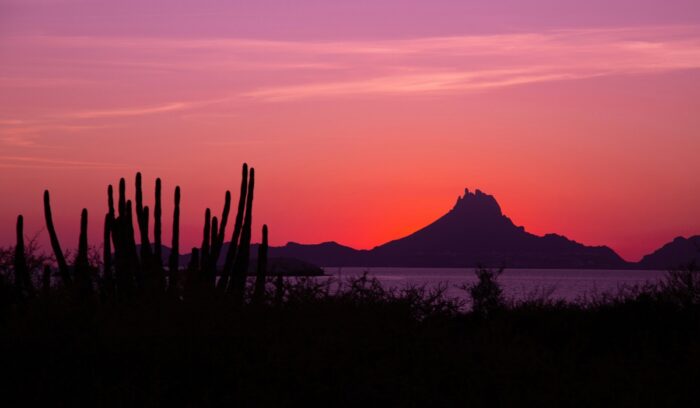
Desert landscape at sunset

Mexico announces 20 new protected areas covering more than 5 million acres of land

Mexico’s government recently announced the creation of 20 new protected areas across 12 states and two coastal areas in the country, covering roughly 5.7 million acres. Officials introduced four new national parks, four “flora and fauna protection areas,” seven sanctuaries, two biosphere reserves and three “natural resources protection areas” under the protection of the National Commission of Protected Natural Areas.

Landfill. A lot of plastic garbage. Environmental problems., for article on plastic waste ban

Plastic bag bans in the U.S. have already prevented billions of bags from being used

Over the past several years, U.S. cities and states have passed hundreds of policies restricting the sale and distribution of single-use plastic bags. A new report – copublished by Environment America, U.S. Public Interest Research Group Education Fund, and Frontier Group – says these laws have largely succeeded in their goal of reducing plastic bag use. New Jersey’s ban alone has eliminated more than 5.5 billion plastic bags annually.