Agriculture

This archive gathers 46 stories on agriculture — from soil restoration and water-efficient farming to food security breakthroughs and support for small-scale growers. Each piece focuses on real progress: policies, practices, and people reshaping how the world grows food.

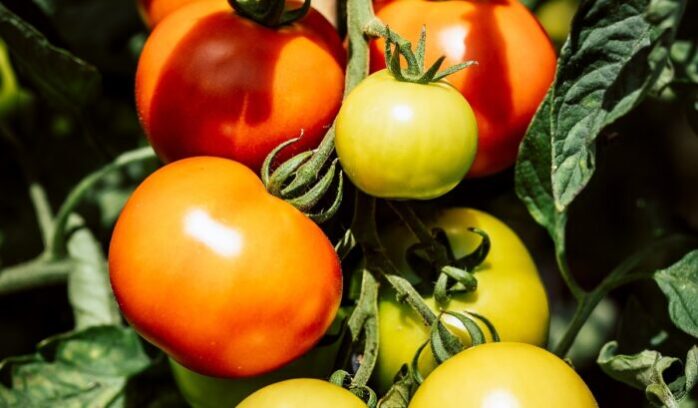
Tomatoes on the vine, for article on Neolithic Revolution

Humans begin farming, setting off the Neolithic Revolution

The Neolithic Revolution began around 12,000 years ago, as small groups across Mesopotamia, East Asia, Africa, and later the Americas independently started planting crops and tending animals instead of following them. Archaeologists have identified at least 11 separate regions where this shift happened on its own. It was the quiet groundwork for villages, writing, and nearly every civilization that followed.

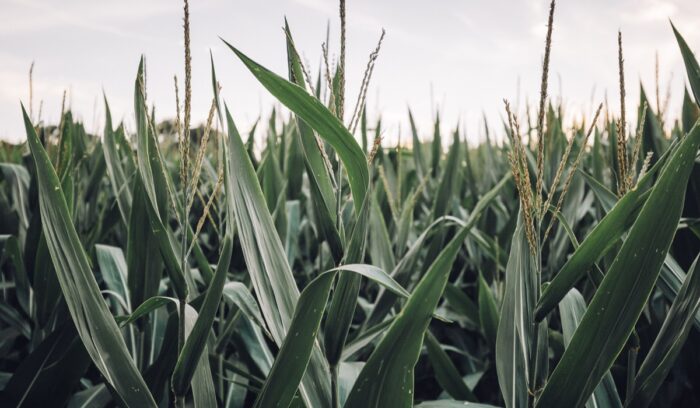
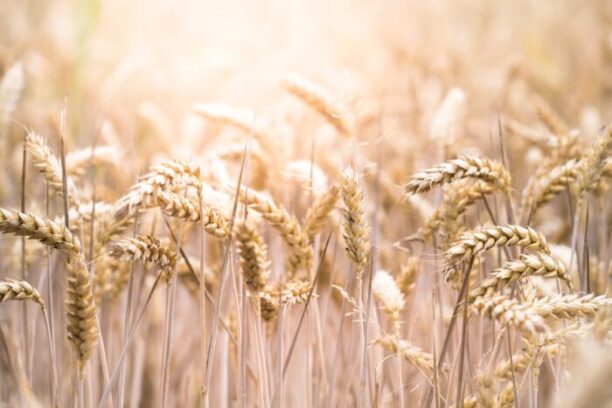
evi radauscher NLlvBb sLts unsplash, for article on wheat domestication

Humans in the Fertile Crescent domesticate wheat for the first time

Wheat domestication began around 10,000 B.C.E. in the foothills of what is now southeastern Turkey, as people who had long gathered wild grasses started saving and replanting seeds. Over generations, they unintentionally selected for plants whose seeds stayed put instead of scattering. It was a quiet shift that reshaped both a grass and the people tending it.

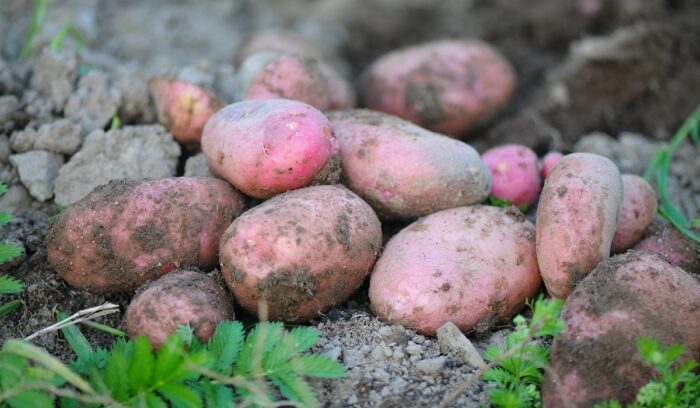
Red potatoes in the soil, for article on potato domestication

Andean peoples near Lake Titicaca domesticate the potato

Potato domestication began between 8000 and 5000 B.C.E. on the windswept shores of Lake Titicaca, where Andean communities coaxed bitter wild tubers into a reliable staple. Over generations, they selected less toxic plants and invented chuño, a freeze-dried potato that kept for years. Today, that high-altitude ingenuity feeds more than a billion people daily.

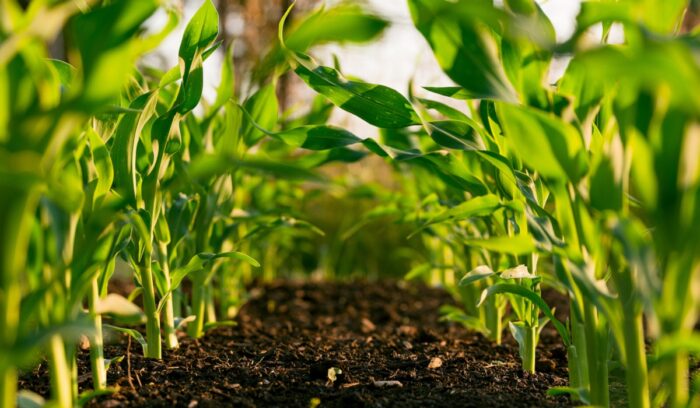
Growing crops, for article on New Guinea agriculture

New Guineans independently develop agriculture, transforming the Pacific

New Guinea agriculture began around 10,000 years ago, when highland communities started draining swamps and cultivating taro, banana, and yam entirely on their own. The Kuk Swamp site, now a UNESCO World Heritage site, preserves the planting pits and water channels that document this slow transition. It’s one of only a handful of places on Earth where farming was independently invented.