Marine conservation

This archive tracks verified progress in marine conservation — from protected area expansions and coral reef restoration to fishing reforms and plastic reduction efforts. Across 146 articles, you’ll find evidence-based reporting on the people, policies, and science making headway for ocean ecosystems worldwide. The ocean covers more than 70% of Earth’s surface, and the work being done to protect it deserves more than alarm — it deserves attention.

Aerial view of a coral reef and turquoise lagoon for an article about Samoa marine protected areas

Samoa legally protects 30% of its ocean with nine new marine areas

Samoa’s national marine spatial plan has formally designated nine new marine protected areas covering 30% of its ocean territory, meeting the global 30×30 biodiversity target years ahead of the 2030 deadline. The plan protects coral reefs, mangrove forests, and seagrass meadows that support food security, absorb carbon, and buffer coastal communities from cyclones. What makes it especially significant is how it was built: fishing communities, traditional leaders, scientists, and government agencies all shaped the framework together. For a small island developing state facing rising seas and stressed fisheries, Samoa has accomplished something most wealthy nations have not.
|varshesh joshi unsplash

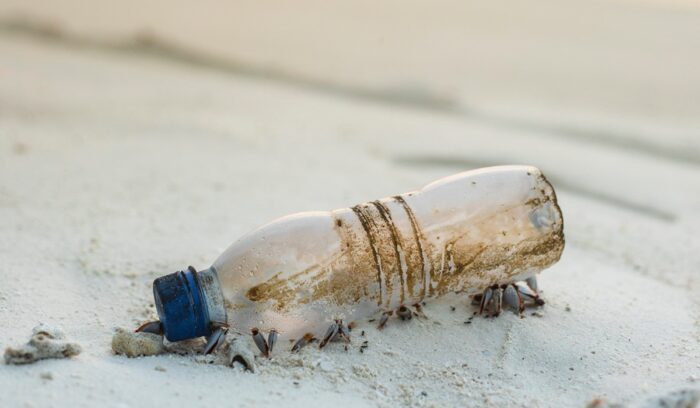
Marine litter on the E.U. coastline down by almost one-third since 2015

The new E.U. Coastline Macro Litter Trend report has found that the amount of marine macro litter in the E.U. coastline has dropped by 29% between 2015-2016 and 2020-2021. While the largest reduction in terms of percentages is seen at the Baltic Sea (45%), major efforts at the Mediterranean and the Black Sea have led to impressive reductions in the absolute amount of litter on European beaches. This achievement is the result of multilateral, national, regional, and citizen efforts triggered by the Marine Strategy Framework Directive.

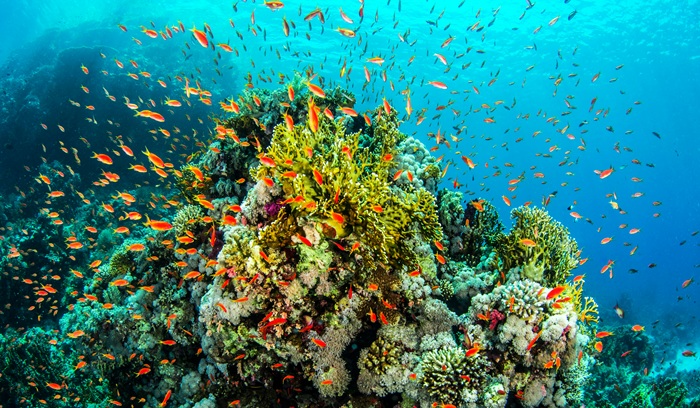
Coral reef with fish

New Caledonia bans ‘dangerous’ seabed mining for half a century

The South Pacific French territory has imposed a 50-year ban on deep-sea mining across its entire maritime zone – a rare and sweeping move that places it among the most restrictive in the world on seabed extraction. The law blocks all commercial exploration, prospecting, and mining of mineral resources within New Caledonia’s exclusive economic zone – an area of over 500,000 square miles. New Caledonia is considered a global hotspot for marine biodiversity. Its waters are home to nearly one-third of the world’s remaining pristine coral reefs.

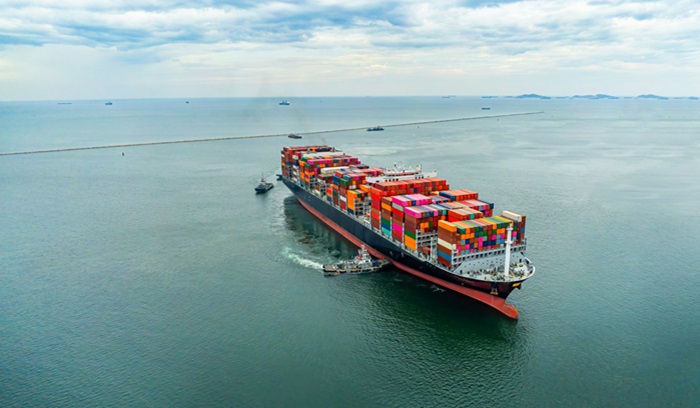
Cargo ship, for article on shipping emissions framework

Countries reach historic deal to cut shipping emissions

Shipping emissions just got their first global climate framework — covering the large ocean-going vessels responsible for 85 percent of the industry’s CO₂. Negotiated at the International Maritime Organization in April 2025, the agreement pairs a progressively tightening fuel standard with a carbon price: ships exceeding emissions limits pay in, while near-zero vessels earn rewards. The revenue flows into a dedicated Net-Zero Fund supporting clean energy innovation and easing the transition for small island states and least developed countries already on the front lines of climate change. For an industry long considered one of the hardest to decarbonize — and one that operates beyond any single nation’s reach — this is a quietly historic turn toward cleaner seas and a fairer global transition.

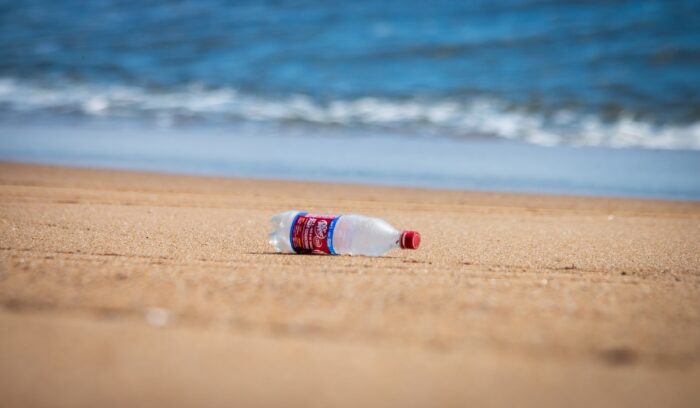
Garbage on the beach|the ocean cleanup plastic|

Australia sees nearly 40% decline in plastic pollution along major city coastlines since 2013

A new study suggests that Australia has effectively implemented plastic pollution policies, including container deposit schemes and bans on single-use plastics. The study, based on 1,907 surveys conducted across six metropolitan regions, suggests that such policies, combined with local clean-up campaigns and public education, are reducing the volume of plastic entering the environment. Australia has pledged to phase out problematic and unnecessary plastics by 2025 and recycle or reuse all of its plastic waste by 2040.

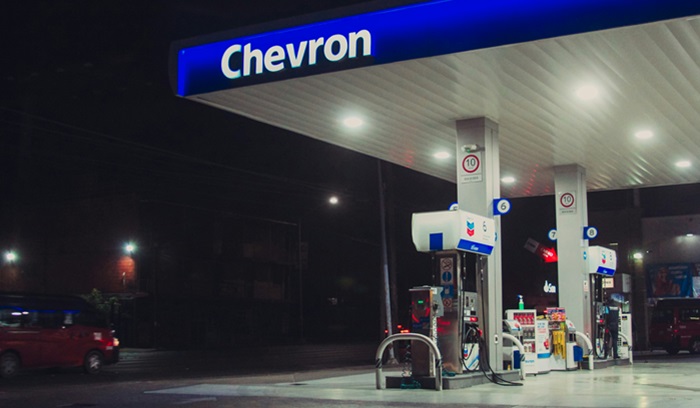
Chevron gas station located near a Louisiana wetlands restoration project site along the coast, for article on Louisiana wetlands restoration

Chevron ordered to pay $740 million to restore Louisiana coast in landmark trial

Louisiana wetlands just got a powerful new defender: a jury ordered Chevron to pay $744.6 million to restore marshland in Plaquemines Parish, with interest pushing the total past $1.1 billion. Jurors found that Texaco, which Chevron acquired in 2001, had spent decades dredging canals and dumping wastewater into the marsh without meaningful cleanup. The ruling matters far beyond one rural parish — it’s the first of dozens of similar cases to reach trial, and the communities on this vanishing coast are disproportionately Black, Indigenous, and low-income. As courts from Europe to the Americas increasingly hold polluters accountable, this verdict signals that coastal destruction is no longer just a political fight. It’s a legal one.

Reef shark

Endangered Caribbean reef sharks rebound in Belize

Endangered Caribbean reef sharks and other shark species are making a striking recovery in Belize after plummeting due to overfishing between 2009 and 2019, according to recent observations. Experts say the establishment of no-shark-fishing zones around Belize’s three atolls in 2021 is what enabled the population boom. These shark-safe havens were made possible by remarkable cooperation and synergy among shark fishers, marine scientists, and management authorities.

daniele buso Va n x Pgr unsplash

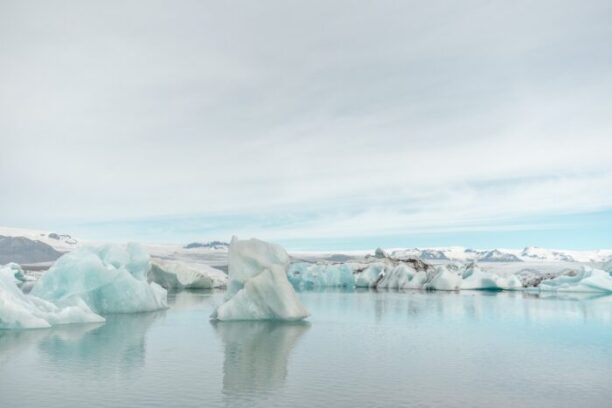
More than 100,000 pounds of trash removed from the Arctic since 2021

Over 50,000 pounds of trash have been removed from the Arctic in 2023 alone after a multilateral effort flooded critical northern ecosystems with volunteers. Working during the brief Arctic summer, clean-up operations were carried out in Alaska, Greenland, Norway, and Iceland. Nearly 2,000 volunteers were enlisted across the treaty nations of the Arctic Council, an inter-governmental panel on peaceful and sustainable use and protection of the Arctic zone formed by the nations that pierce its frozen bordersand the Indigenous peoples that call it home.

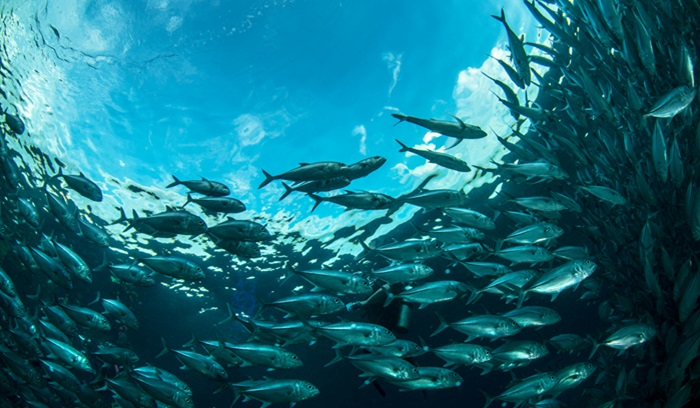
School of fish, for article on Marshall Islands marine sanctuary

Marshall Islands protects ‘pristine’ Pacific corals with first marine sanctuary

The Marshall Islands just established its first federal marine protected area, shielding 48,000 square kilometers of ocean around the remote Bikar and Bokak atolls. A five-year National Geographic Pristine Seas expedition found these waters hold the highest reef fish biomass anywhere in the Pacific, along with corals showing rare resilience to warming seas. The new sanctuary formalizes generations of stewardship by the Utrik community, whose traditional knowledge anchors the country’s Reimaanlok conservation framework — a Marshallese word meaning “look toward the future.” For a low-lying nation whose survival depends on a healthy ocean, this is both a homegrown victory and a meaningful step toward the global goal of protecting 30% of the world’s oceans by 2030.

Landfill. A lot of plastic garbage. Environmental problems., for article on plastic waste ban

Thailand bans imports of plastic waste to curb toxic pollution

Thailand’s plastic waste ban took effect in January 2025, closing the door on a trade that brought more than 1.1 million tonnes of foreign plastic scrap into the country between 2018 and 2021. Much of that waste was never recycled — factories often burned it instead, sending toxic fumes into nearby communities and contributing to risks of stroke, heart attack, and dementia. The ban is the hard-won result of years of organizing by Thai activists who documented the harm and refused to let it continue. With global treaty talks still stalled by oil-producing nations, Thailand’s move offers a hopeful blueprint: when communities push and governments listen, the tide on plastic pollution can begin to turn.