
World’s first electric container barges to sail from European ports this summer
Dubbed the ‘Tesla of the canals’, the unmanned vessels will operate on Dutch and Belgian waterways, vastly reducing diesel vehicles and emissions
This archive tracks real progress on sustainability — from clean energy adoption and circular economy breakthroughs to policy wins and community-led conservation efforts. Each story focuses on what’s working, where, and why it matters for the long-term health of people and the planet.

Dubbed the ‘Tesla of the canals’, the unmanned vessels will operate on Dutch and Belgian waterways, vastly reducing diesel vehicles and emissions

In a move that will make the Sydney institution the world’s first university to be energy carbon neutral, the University of New South Wales has inked a deal to meet all its electricity needs with solar energy from next year onwards.

According to the census, solar energy adds jobs 17 times faster than the overall economy in the United States.

Single-use non-biodegradable plastic, including bags and polystyrene takeaway containers, will be banned in Vanuatu from January 31, as the Government tries to control a growing plastic waste problem.

The government said the proposed reforms will cut in half the average time it takes for wind power projects to be completed and connected to the French electricity grid.

Norway is a leading force in broad adoption electric vehicles. In its latest move, the country has pledged to make all of its short-haul flights electric by 2040.

A new report recently published by the International Renewable Energy Agency (IRENA), predicts the cost of renewable energy will experience a noticeable drop by 2020, putting it on par with, or cheaper than, fossil fuels.

Just six years ago, more than 40% of Britain’s electricity was generated by burning coal. Today, that figure is just 7%.

Mayor Bill de Blasio: ‘It’s up to the fossil fuel companies whose greed put us in this position to shoulder the cost of making New York safer and more resilient’
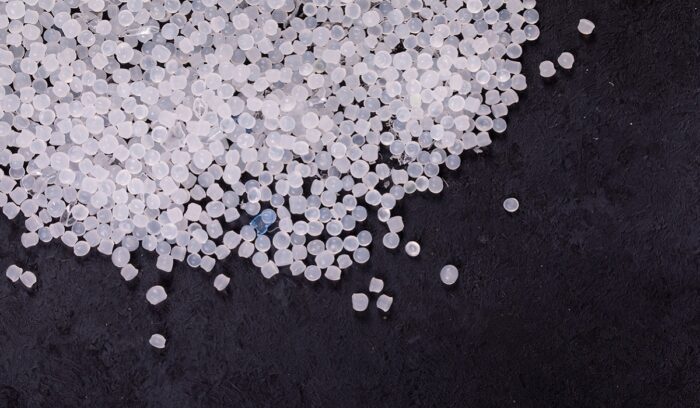
Manufacturing ban means the tiny beads which harm marine life can no longer be used in cosmetics and personal care products