Wildlife & land conservation

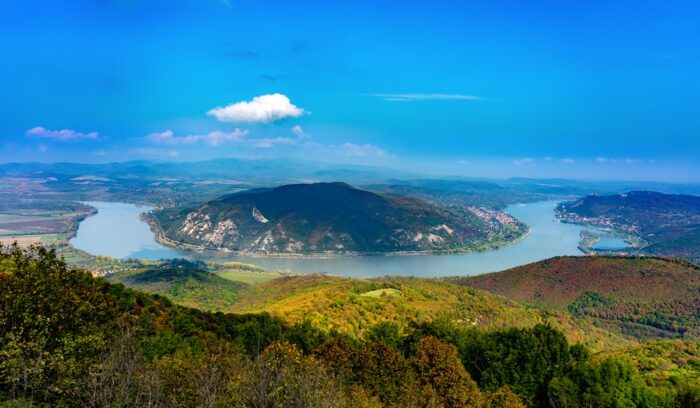
Danube river band from the predikaloszek view point in Hungary with Visegrad and Nagymaros

Austria, Croatia, Hungary, Serbia, and Slovenia agree to establish world’s first five-country protected area to conserve “Europe’s Amazon”

The five countries signed a historic declaration to establish a trans-boundary UNESCO Biosphere Reserve to protect their shared nature and wildlife along the Mura, Drava, and Danube rivers, “Europe’s Amazon.” The declaration paves the way for creating the world’s first five-country protected area and, with an overall size of about 800,000 hectares, Europe’s largest riverine protected area.

Eye of reptile

The U.N. Convention on Biological Diversity, signed by 168 countries, enters into force

The Convention on Biological Diversity is a historic multilateral treaty now signed by all U.N. member states other than the United States. The Convention has three main goals: biodiversity, the sustainable use of its components, and the fair and equitable sharing of benefits arising from genetic resources. The Convention recognized for the first time in international law that the conservation of biodiversity is “a common concern of humankind” and is an integral part of the development process.
The multilateral treaty recognized for the first time in international law that the conservation of biodiversity is “a common concern of humankind” and is an integral part of the development process.

Rainforest scene

Colombia establishes Chiribiquete National Park

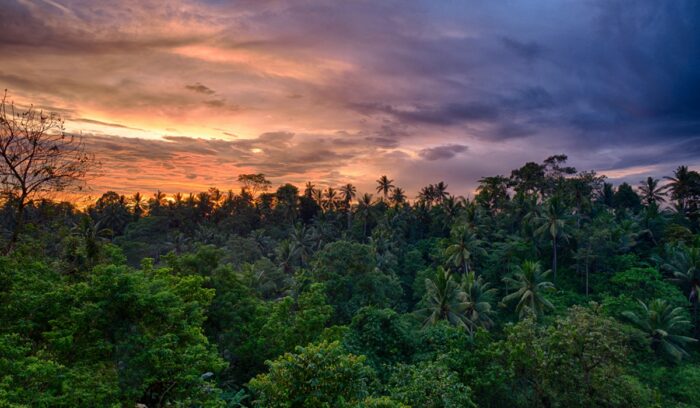
Chiribiquete National Park is the largest national park in Colombia and the largest tropical rainforest national park in the world. It covers about 17,000 square miles and hosts important archaeological evidence in the form of rock art. More than 600,000 traces of around 20,000 petroglyphs and pictographs have been discovered in the mountain chain, the oldest of which may date to 20,000 years BP.

Black-and-white photo of baby gorilla

The Belgian Congo establishes Albert National Park, Africa’s first national park

Now known as Virunga National Park in the Democratic Republic of the Congo, the park was established to protect forest habitats for local gorilla populations. In 1979, it was declared a UNESCO World Heritage site. Situated in a region deeply impacted by the effects of war and armed conflict for over 20 years, Virunga is now protected by a dedicated team of 689 rangers. These rangers go through intensive training, risking their lives on a daily basis to safeguard the Park’s exceptional wildlife.