Marine conservation

This archive tracks verified progress in marine conservation — from protected area expansions and coral reef restoration to fishing reforms and plastic reduction efforts. Across 146 articles, you’ll find evidence-based reporting on the people, policies, and science making headway for ocean ecosystems worldwide. The ocean covers more than 70% of Earth’s surface, and the work being done to protect it deserves more than alarm — it deserves attention.

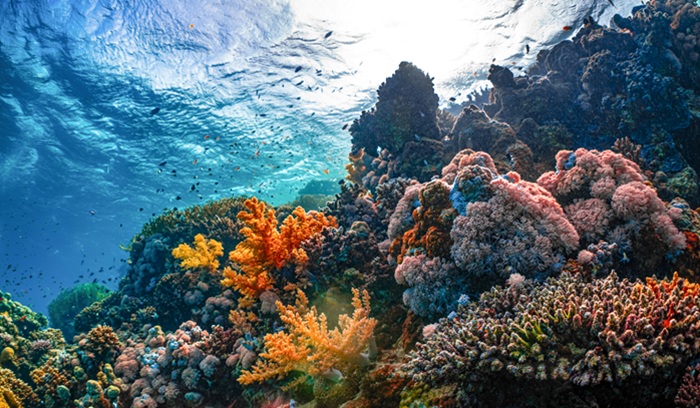
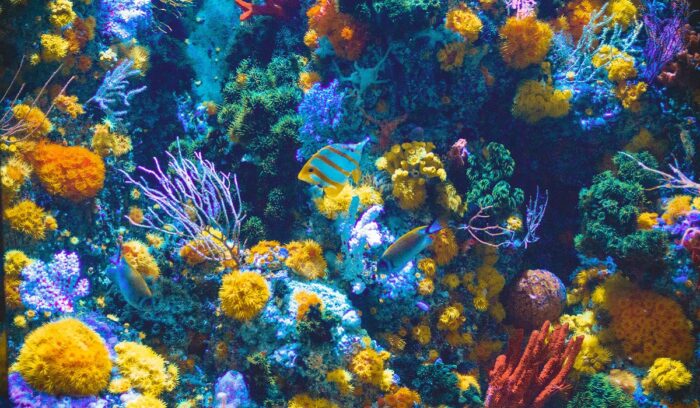
Colorful coral reef with tropical fish in clear blue water for an article about Mauritius coral restoration

Mauritius pioneers heat-resistant coral with 98% survival rates

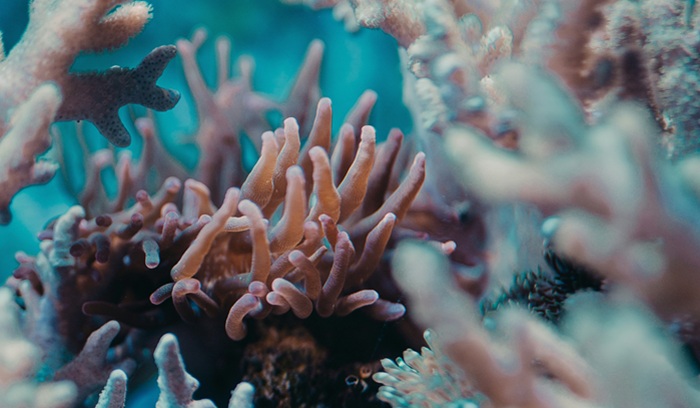
Coral restoration in Mauritius is delivering results that are turning heads across the marine science world. Researchers working with the Mauritius Oceanography Institute have achieved a 98% survival rate for transplanted coral fragments by using heat-stress conditioning, a technique that trains coral to withstand the warming temperatures climate change is already producing. That figure dwarfs the global average of 60-70% for conventional transplant methods. With the Indian Ocean having suffered significant reef loss in recent decades, this approach offers a replicable model that neighboring island nations are already watching closely.
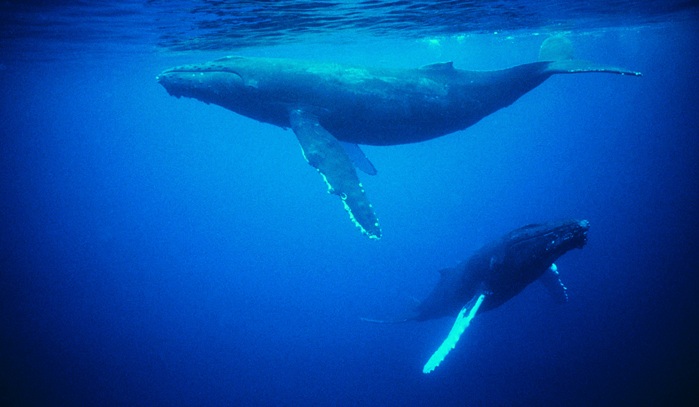
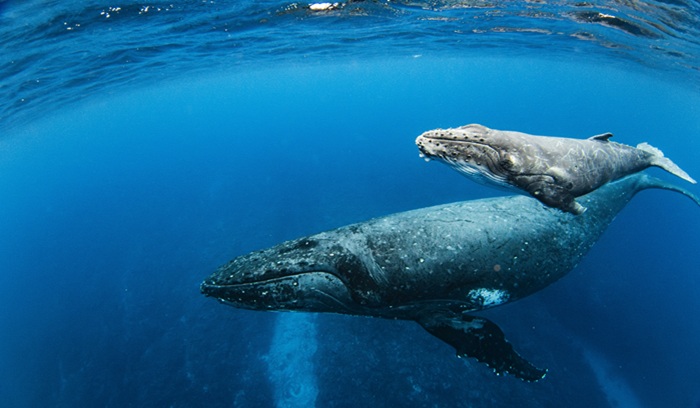
A North Atlantic right whale surfacing in open ocean for an article about right whale protection — 13 words.

**Suggested image:** Search Unsplash for "right whale ocean" or "whale ocean surface." A strong candidate:
- **Unsplash:** https://unsplash.com/photos/a-humpback-whale-jumping-out-of-the-water — verify licensing (Unsplash License, free to use).
- Alternatively, NOAA's public domain image library (fisheries.noaa.gov) has free-to-use right whale photographs: https://www.fisheries.noaa.gov/species/north-atlantic-right-whale — these are U.S. government works in the public domain.

Recommended credit: NOAA Fisheries / public domain, or Unsplash photographer name if sourced there.

Clinton-era ocean push secured landmark protections for whales and dolphins

Ocean mammal protection advanced significantly in the mid-1990s when the United States led landmark international agreements safeguarding whales and dolphins from commercial shipping and industrial fishing. The Clinton administration proposed real-time navigation alerts to help ship captains avoid North Atlantic right whales, while U.S.-led negotiations produced a dolphin protection accord that passed the Senate 99-0 and dramatically reduced bycatch mortality in the eastern tropical Pacific. These measures were part of a broader ocean governance framework addressing dumping, overfishing, and marine pollution simultaneously. The agreements proved that commercial industries could adapt, scientific monitoring could be legally enforced, and international cetacean protections were genuinely achievable.

A humpback whale breaching off the Australian coast for an article about humpback whale recovery

Eastern Australian humpback whales now exceed pre-whaling population numbers

Humpback whale recovery in eastern Australia has reached a milestone once considered impossible, with the population surpassing 50,000 individuals in 2024 — exceeding pre-whaling numbers for the first time. Just sixty years ago, industrial hunting had reduced this group to roughly 150 survivors. The turnaround followed a 1963 International Whaling Commission ban and decades of careful monitoring, including a citizen science effort tracking over 15,000 individually identified whales. Beyond the conservation achievement, the return of large whale populations actively restores ocean health through nutrient cycling that supports marine food webs and carbon absorption.

A green sea turtle swimming above a seagrass meadow for an article about green sea turtle recovery

Green sea turtles are no longer endangered, IUCN confirms

Green sea turtle recovery marks a major conservation milestone, as the IUCN removed the species from its endangered list for the first time in decades. The 2025 reassessment found nesting populations have grown significantly since the 1970s, driven by legal protections, beach patrols, marine protected areas, and preservation of the seagrass meadows turtles depend on. The recovery spans dozens of countries and combines satellite science, Indigenous ecological knowledge, and community stewardship. Threats including bycatch and climate change remain, but this achievement offers a documented model for what sustained, cooperative conservation effort can accomplish.

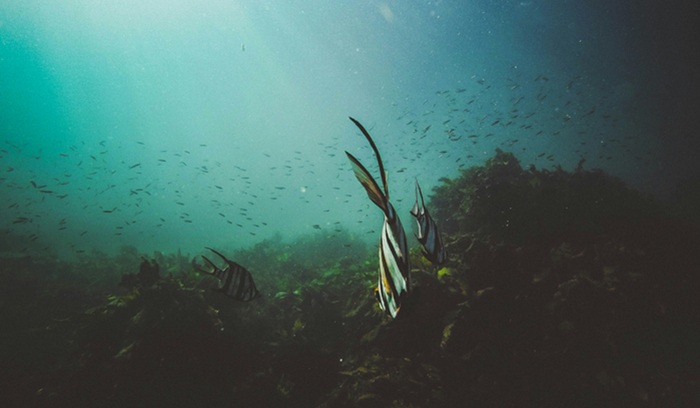
Sunlight filtering through open ocean water for an article about the High Seas Treaty entering into force

The high seas treaty enters into force, giving two-thirds of the ocean its first legal protection

The High Seas Treaty entered into force on January 17, 2026, giving the roughly two-thirds of the ocean beyond national borders binding legal protection for the first time in history. After nearly 20 years of negotiations, 60 nations ratified the agreement by September 2025, triggering its historic implementation. The treaty empowers the international community to establish marine protected areas in international waters, require environmental impact assessments for deep-sea activities, and share the benefits of marine genetic resources equitably among all nations. What once had no legal guardian now does.

Vibrant coral reef teeming with tropical fish for an article about coral reef protection in the Philippines

The Philippines protects 151,000 acres of coral reef in the Pacific Coral Triangle

Coral reef protection advanced in the Philippines as President Ferdinand Marcos Jr. signed legislation creating the Panaon Island Protected Seascape in 2025, safeguarding 151,000 acres within the Pacific Coral Triangle. The area’s coral cover runs three times higher than the Philippine national average, making it one of the healthiest marine ecosystems on Earth. The designation matters because these waters shelter whale sharks, sea turtles, and fish stocks that feed local communities. Notably, a community-led management board gives local fisherfolk and residents real decision-making authority, balancing conservation with livelihoods rather than imposing top-down restrictions.

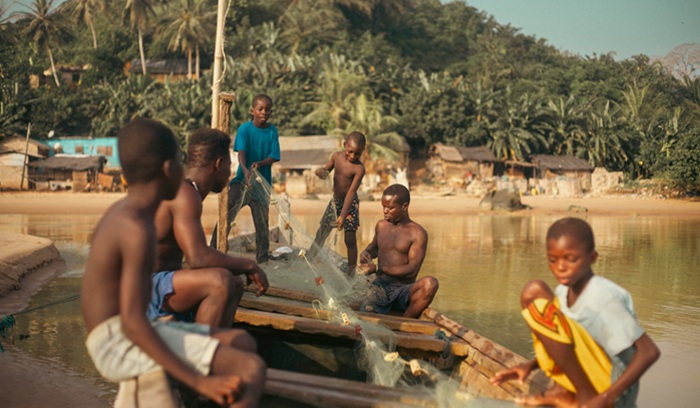
Ghanaian fishermen pulling nets from a wooden canoe for an article about Ghana's artisanal fishing zone

Ghana doubles its protected fishing zone to shield small-scale fishers

Ghana’s new fisheries law offers a landmark victory for artisanal fishing communities along one of West Africa’s most pressured coastlines. President John Dramani Mahama signed the Fisheries and Aquaculture Act 2025 in August, doubling the Inshore Exclusive Zone from 6 to 12 nautical miles and barring industrial trawlers from that entire coastal band. Around 120,000 small-scale fishers stand to benefit directly, with collapsed stocks of sardinella, anchovies, and mackerel now given space to recover. Mandatory electronic monitoring on industrial vessels adds real enforcement teeth. For a country where fish supplies more than 60 percent of animal protein consumed, this is as much a food security milestone as an environmental one.

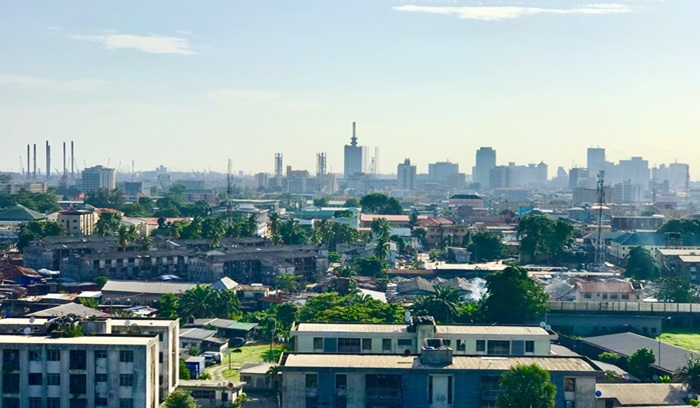
Plastic waste floating in a Lagos canal for an article about the Lagos plastics ban — 12 words.

Lagos bans single-use plastics in one of Africa’s most polluted cities

Lagos plastics ban took effect July 1, 2025, prohibiting styrofoam containers, plastic cutlery, plates, and straws across Nigeria’s commercial capital of 15 million people. The city generates at least 13,000 tons of waste daily, with plastic clogging canals and worsening seasonal flooding in low-income neighborhoods. The ban builds on a 2024 federal policy targeting similar items, signaling coordinated national momentum. What makes this significant is that it carries real enforcement consequences — including business closure for repeat violators — setting it apart from environmental pledges with no teeth.

Aerial view of Atlantic Ocean waves and rocky coastline for an article about Portugal marine protected area

Portugal protects 27% of its ocean waters with a new Atlantic sanctuary

Portugal’s new marine protected area around the Gorringe Ridge marks a major ocean conservation milestone, pushing the country’s protected marine territory from 19% to 27% of its vast Atlantic waters. Announced at a United Nations Oceans Conference, the designation covers a biologically rich underwater mountain range sheltering migratory whales, sharks, tuna, and ancient cold-water coral ecosystems. The move places Portugal ahead of nearly every other European nation in meeting the global 30×30 ocean protection target. Built on ecological science in partnership with the Oceano Azul Foundation, the sanctuary offers a replicable model for ambitious, evidence-based marine protection within a modern democratic economy.

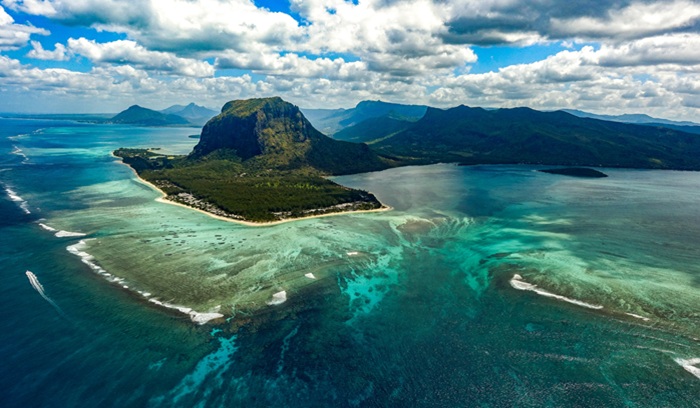
Aerial view of a turquoise French Polynesian atoll for an article about French Polynesia marine protected area

French Polynesia creates the world’s largest marine protected area

French Polynesia’s Tainui Atea marine protected area, announced at the 2025 UN Ocean Conference in Nice, now spans over 4.5 million square kilometers, making it the largest marine protected area on Earth. The designation bans bottom trawling and deep-sea mining while preserving traditional artisanal fishing, protecting waters home to 21 shark species, 176 coral species, and over 1,000 fish species. Critically, 92 percent of French Polynesians surveyed support the protections, grounding this effort in genuine community ownership rather than top-down policy. The move raises global marine protection coverage to 9.85 percent, advancing the international 30×30 conservation goal.