Circular economy & zero waste

This archive tracks real progress on circular economy and zero-waste efforts worldwide — from packaging redesigns and repair-economy expansions to industrial waste-to-resource programs. More than 155 stories document what’s working, who’s driving it, and how communities and companies are closing the loop on consumption.

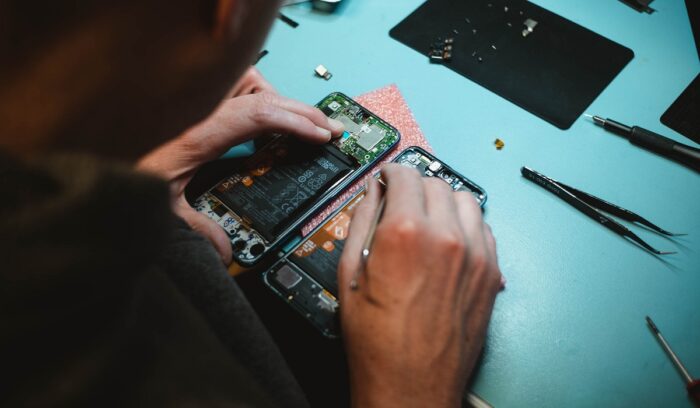
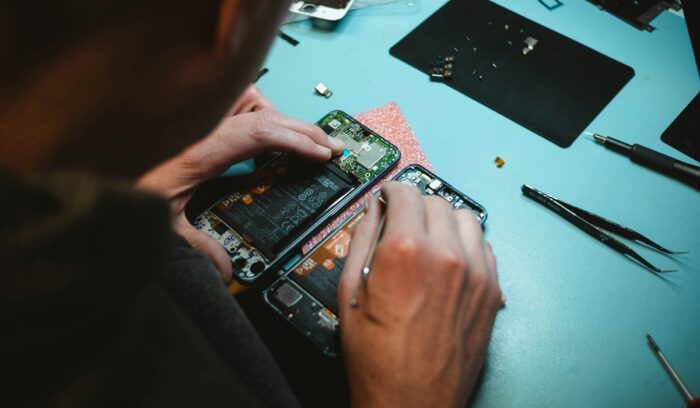
Person repairing smart phone

Oregon governor signs nation’s first right-to-repair bill that bans parts pairing

The law, like those passed in New York, California, and Minnesota, will require many manufacturers to provide the same parts, tools, and documentation to individuals and repair shops that they provide to their own repair teams. But Oregon’s bill goes further, preventing companies from implementing schemes that require parts to be verified through encrypted software checks before they will function.

Woman putting organic waste in the compost bin

France implements compulsory composting

As of January 2024, municipalities in France must now provide residents with ways to sort bio-waste, which includes food scraps, vegetable peels, expired food and garden waste. Households and businesses are required to dispose of organic matter either in a dedicated small bin for home collection or at a municipal collection point. The waste will then be turned into biogas or compost to replace chemical fertilizers.

Biogas plant in agricultural landscape.

South Korea to require producers of organic waste resources to make biogas

According to the East Asian nation’s Environment Ministry’s new biogas law, public and private industries that generate organic waste such as livestock manure and food waste will now be required to produce them in the form of biogas. Biogas is a gaseous renewable energy source produced from raw materials such as agricultural waste, plant material and manure and can be used in vehicles that operate on natural gas.