
Apple suppliers attain 100% Zero Waste to Landfill rating
In 2016, Apple suppliers’ facilities diverted more than 200,000 metric tons of waste from landfills, compared to 74,000 metric tons in 2015, according to the report.
This archive tracks real progress on circular economy and zero-waste efforts worldwide — from packaging redesigns and repair-economy expansions to industrial waste-to-resource programs. More than 155 stories document what’s working, who’s driving it, and how communities and companies are closing the loop on consumption.

In 2016, Apple suppliers’ facilities diverted more than 200,000 metric tons of waste from landfills, compared to 74,000 metric tons in 2015, according to the report.

NYC food waste composting became mandatory in 2015 for about 350 large businesses — hotels, stadiums, wholesalers, and food manufacturers — which must now divert scraps from landfills. A voluntary pilot earlier that year, with Whole Foods and Anheuser-Busch among 31 participants, cut food waste by 56 percent on average, paving the way for the rule.

In 2002, Bangladesh became the first country in the world to ban thin plastic bags, after officials traced deadly urban flooding to bags clogging Dhaka’s drainage systems. It was a practical fix to a local emergency. Decades later, more than 120 countries have followed with plastic bag legislation of their own.
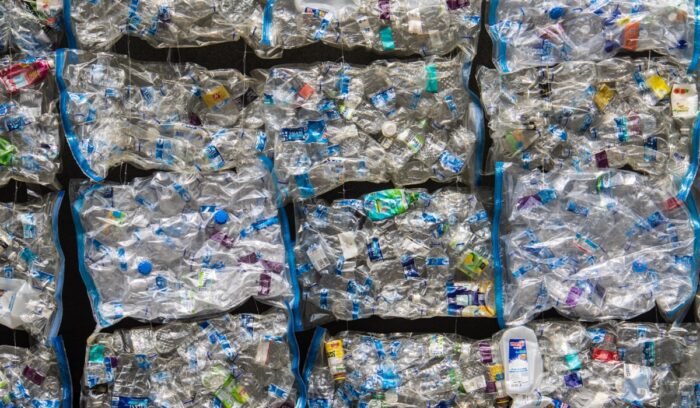
Plastic recycling took an early industrial step in 1972, when a mill opened in Conshohocken, Pennsylvania, betting that discarded plastic could be reclaimed instead of buried. Workers sorted resins by hand before shredding, melting, and extruding them into pellets manufacturers could reuse. It was a small, imperfect start to a loop the world is still trying to close.