Marine conservation

This archive tracks verified progress in marine conservation — from protected area expansions and coral reef restoration to fishing reforms and plastic reduction efforts. Across 146 articles, you’ll find evidence-based reporting on the people, policies, and science making headway for ocean ecosystems worldwide. The ocean covers more than 70% of Earth’s surface, and the work being done to protect it deserves more than alarm — it deserves attention.

Dhaka monument, for article on Bangladesh plastic bag ban

Bangladesh becomes first country to ban thin plastic bags

In 2002, Bangladesh became the first country in the world to ban thin plastic bags, after officials traced deadly urban flooding to bags clogging Dhaka’s drainage systems. It was a practical fix to a local emergency. Decades later, more than 120 countries have followed with plastic bag legislation of their own.

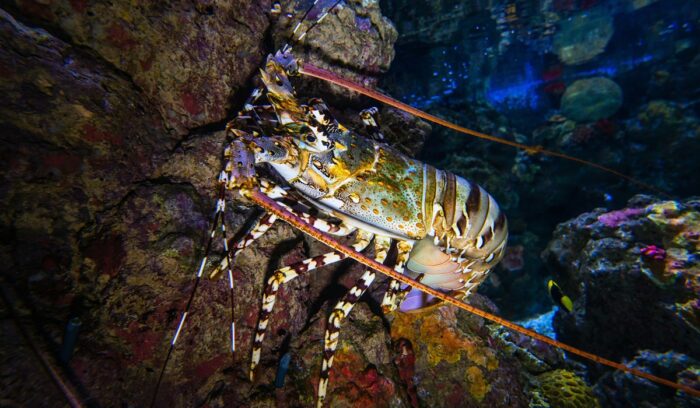
Lobster, for article on MSC certified fishery

Western Australia’s Western Rock Lobster fishery becomes world’s first MSC certified fishery

MSC-certified fishing began in 2000, when Western Australia’s Western Rock Lobster fishery became the first in the world to earn the Marine Stewardship Council’s blue label. Auditors scrutinized its pot-based methods, stock health, and management rules — and it has since been recertified four times, offering early proof that commercial fishing and ocean stewardship can hold together.

Coral reef with fish, for article on international coral reef initiative

Eight nations launch the International Coral Reef Initiative to protect reefs globally

The International Coral Reef Initiative launched in December 1994, when eight nations — from Jamaica to Japan — met in the Bahamas and pledged the first global partnership devoted entirely to coral reefs. Reefs cover less than 1% of the ocean floor but shelter roughly a quarter of marine species, and until then, no international body had spoken for them alone.

CITES logo, for article on CITES treaty

CITES enters into force, shielding over 40,900 species from trade

CITES, the first global treaty governing the wildlife trade, became binding law on July 1, 1975, after 80 countries had gathered in Washington two years earlier to finalize the text. It now covers more than 40,900 species across 185 parties — a quiet paperwork revolution that showed nations could agree to police what crosses their borders for nature’s sake.

Drawing of Earth, for article on first Earth Day

Twenty million Americans rally for the first Earth Day

Earth Day began on April 22, 1970, when an estimated 20 million Americans gathered at more than 12,000 events to demand their country pay attention to the planet. In New York alone, a quarter-million people filled a car-free Fifth Avenue. Within three years, it had helped shape a generation of landmark U.S. environmental law.