
First whale sanctuary in North America to open in 2023
The sanctuary is planned for Port Hilford Bay in Nova Scotia and will include 110 acres of habitat for the whales.
This archive tracks verified progress in marine conservation — from protected area expansions and coral reef restoration to fishing reforms and plastic reduction efforts. Across 146 articles, you’ll find evidence-based reporting on the people, policies, and science making headway for ocean ecosystems worldwide. The ocean covers more than 70% of Earth’s surface, and the work being done to protect it deserves more than alarm — it deserves attention.

The sanctuary is planned for Port Hilford Bay in Nova Scotia and will include 110 acres of habitat for the whales.
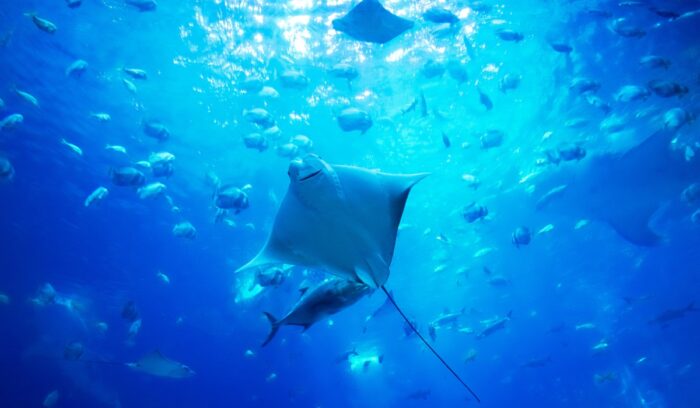
Panama, Ecuador, Colombia, and Costa Rica announced the Eastern Tropical Pacific Marine Corridor, a fishing-free corridor that will cover more than 200,000 square miles.
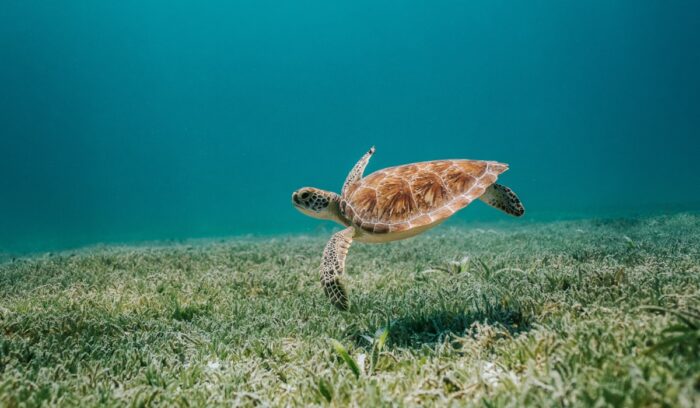
According to the West African country’s environment ministry, last year’s nest numbers are at nearly 200,000, a huge leap from the 10,725 nests accounted for in 2015.
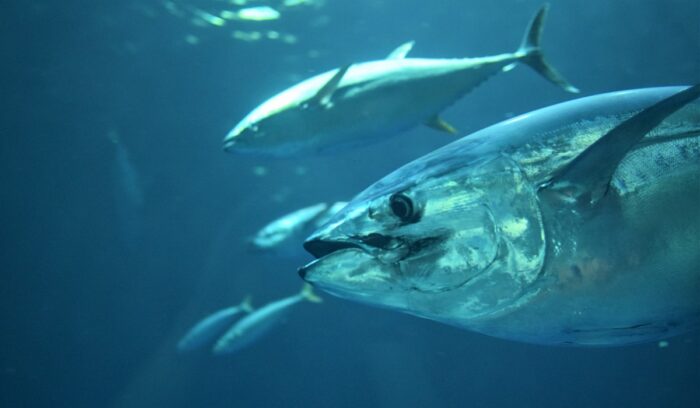
In IUCN’s Red List update, the seven most commercially fished tuna species were reassessed. Four moved in a positive direction thanks to countries enforcing more sustainable fishing quotas and successfully combatting illegal fishing.

The National Marine Fisheries Service on Friday finalized rules to expand the Southern Resident orca’s critical habitat from the Canadian border down to Point Sur, California, adding 15,910 square miles (41,207 square kilometers) of foraging areas, river mouths and migratory pathways.

The Thai Department of Conservation said four ingredients commonly found in sun creams were shown to destroy coral larvae, obstruct coral reproduction and cause reef bleaching.

The Shusha Island Coral Park will cover 100 hectares and become a global center to showcase innovations to protect and restore coral reefs and accelerate conservation solutions.
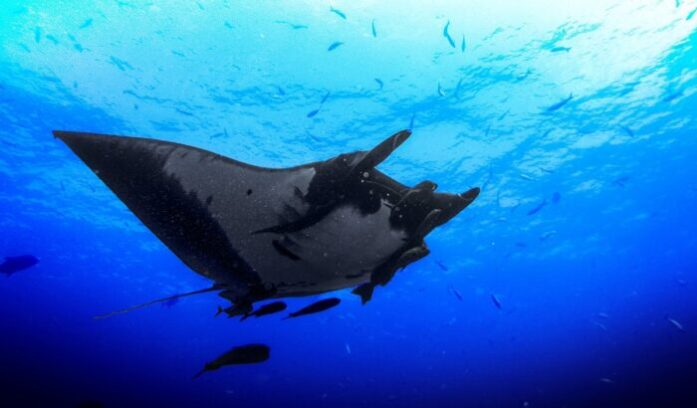
The first new law fully regulates shark and ray catch in Gabon’s fisheries. Special authorization will now be needed to target sharks and rays in fisheries.
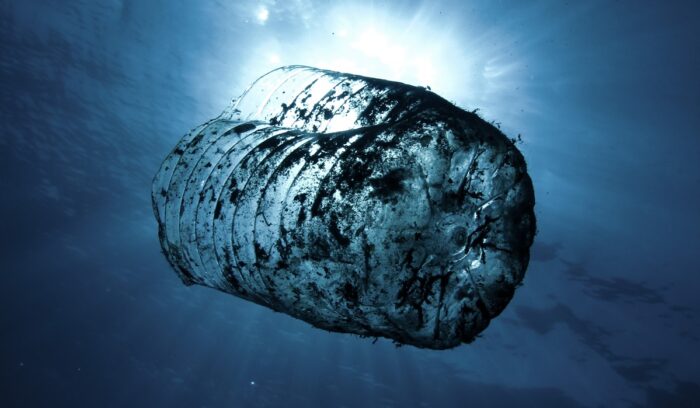
Called the ANZPAC Plastics Pact, the agreement aims to drastically reduce plastic waste from Australia, New Zealand, and the Pacific by 2025. Among the signatories are big brands like Coca-Cola, Nestle, and Woolworths.
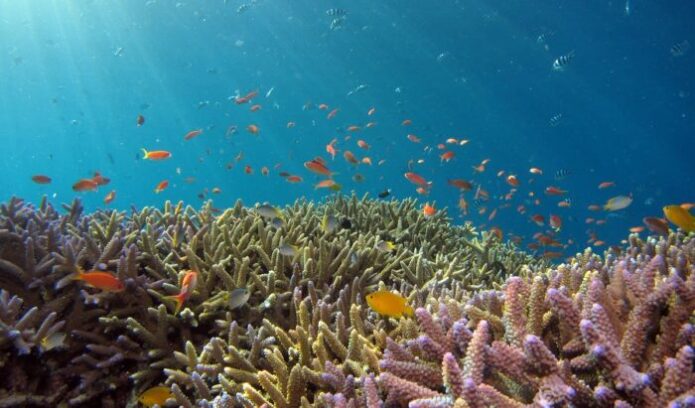
So far, 85,000 corals have been planted in the area and the coral cover of the seafloor in the park increased from 6% to 50% between 2010 to 2017.