United Nations

This archive tracks progress tied to the United Nations — from landmark agreements and humanitarian milestones to global health and climate commitments. Stories here show how multilateral cooperation produces real-world results.

Waves at sunset, for article on high seas treaty

Seventy-plus nations sign historic high seas treaty

Ocean protection just took a huge leap forward: more than 76 countries and the European Union signed the High Seas Treaty on its very first day open for signatures at the U.N. General Assembly. The agreement creates the first-ever legal framework to establish protected areas across international waters, which cover two-thirds of the planet yet remain almost entirely unguarded. It also requires that benefits from marine genetic resources — think pharmaceuticals drawn from deep-sea life — be shared fairly with nations in the Global South. Once 60 countries ratify, the treaty takes effect, opening the door to meeting the global goal of protecting 30% of the oceans by 2030 and giving marine life a fighting chance.

Hand holding a vial and syringe, for article on malaria vaccine rollout

Twelve African countries will receive 18 million doses of the first-ever malaria vaccine

Malaria vaccines are heading to twelve African countries for the first time, with 18 million doses of RTS,S/AS01 set to roll out between 2023 and 2025. Nine nations are introducing the shot into routine childhood immunization, joining Ghana, Kenya, and Malawi, where more than 1.7 million children have already been vaccinated since 2019. The pilot countries have seen severe malaria cases and child deaths decline, and families are showing up eager for their children to be protected. After a century of scientific struggle against one of humanity’s deadliest diseases, this rollout marks a turning point — proof that patient global collaboration can deliver lifesaving tools to the children who need them most.

International waters are the areas shown in dark blue in this map, for article on High Seas Treaty

UN member states agree to landmark deal to protect life in international waters

For the first time, the world has a binding legal framework to protect life across the high seas — the vast international waters that cover roughly half of Earth’s surface and have long existed beyond the reach of environmental law. More than 190 countries agreed to the deal, which creates a pathway to establish marine protected areas in waters that are currently almost entirely unguarded. The ocean absorbs carbon, produces oxygen, and sustains biodiversity we’re only beginning to understand. This treaty shows that even the hardest global problems can bend toward cooperation.\n\n*Word count: 84*

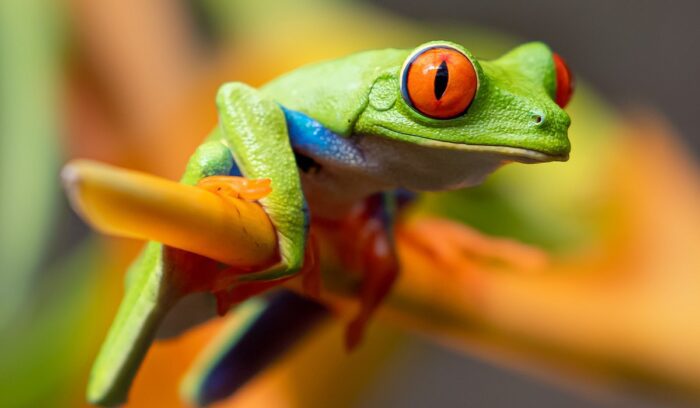
Frog, for article on 30x30 biodiversity deal

In historic deal, nearly 200 countries agree to protect 30% of land and sea to protect biodiversity

Nearly 200 countries just agreed to protect 30 percent of the planet’s land and oceans by 2030 — a leap from the 16 percent of land and 8 percent of seas currently safeguarded. The deal, struck in the early hours of a December morning in Montreal, also commits wealthy nations to send $30 billion a year to developing countries for nature protection. Crucially, Indigenous communities — who steward an estimated 80 percent of the world’s remaining biodiversity — won language protecting their land rights and traditional knowledge in how these areas are governed. Past pledges have faltered, and enforcement remains the open question. But for a world losing species at rates unseen since the dinosaurs, having nearly every nation in one room agreeing to reverse course is a milestone worth marking.