Caltech

Artist's concept of a solar power satellite in place, for article on space solar power

First ever space-to-Earth solar power mission succeeds

Space-based solar power just cleared a milestone scientists have been chasing since the 1970s: a Caltech satellite spent a year in orbit, collected sunlight, and beamed it wirelessly back to a ground receiver on Earth. The SSPD-1 mission completed all three of its planned experiments, including testing an origami-inspired panel that unfolds without hinges and a purpose-built microwave transmitter. The appeal is simple — above the atmosphere, the Sun never sets, no clouds get in the way, and power could flow around the clock. Caltech’s team is honest that commercial-scale space solar is still years off, with cost and radiation durability to solve. But moving this idea from whiteboard to working demonstration brings humanity a real step closer to truly continuous clean energy.
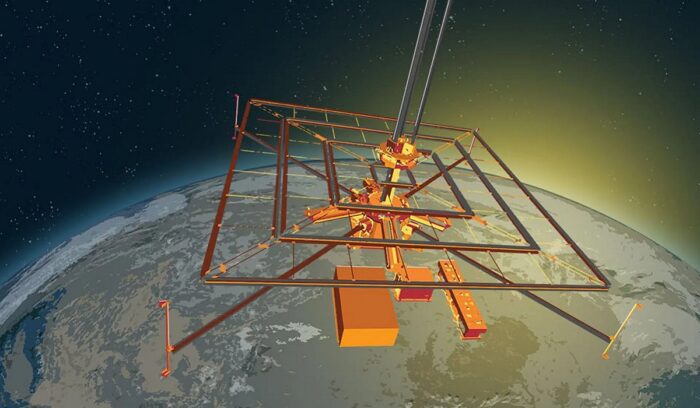
CalTech Space Solar array, for article on space solar power

World-first space solar demonstration beams power from orbit to Earth

Space-based solar power just crossed from theory into reality: a Caltech team has, for the first time, beamed energy from orbit down to a receiver on Earth. The signal arrived at a rooftop in Pasadena exactly when, where, and at the frequency engineers predicted — proof that the precision needed for a future full-scale array is achievable. The demonstrator weighed just 50 kilograms and used flexible, lightweight arrays never before flown for this purpose. The eventual vision is enormous and far from cheap, but the appeal is simple: panels in space see no night and no clouds. If this technology matures, clean power could one day reach communities far beyond the grid’s reach.