
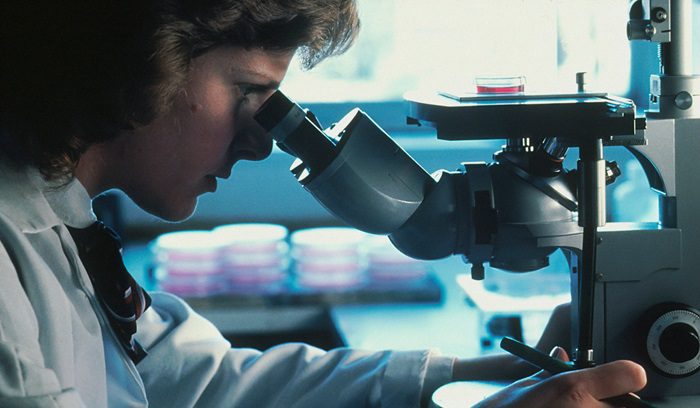
Scientists at the University of Oxford have secured funding to develop OvarianVax, the world’s first vaccine designed to prevent ovarian cancer before it starts. Backed by up to £600,000 from Cancer Research U.K. over three years, the project aims to teach the immune system to recognize and destroy the earliest signs of the disease — a potential breakthrough for the roughly 7,500 women diagnosed with ovarian cancer in the U.K. each year.
At a glance
- OvarianVax: Oxford’s new preventive vaccine is designed to train the immune system to target over 100 proteins found on the surface of early-stage ovarian cancer cells, known as tumour-associated antigens.
- BRCA gene mutations: Women with altered BRCA1 genes face up to 65% higher ovarian cancer risk, and those with altered BRCA2 genes face up to 35% higher risk — currently managed through surgery that triggers early menopause.
- Cancer organoids: Researchers will test how effectively the vaccine destroys miniature lab-grown models of ovarian cancer built from tissue samples of ovaries and fallopian tubes.
Why ovarian cancer is so hard to stop
Ovarian cancer is the sixth most common cancer in women in the U.K., but it carries an outsized burden because it is rarely caught early. There is no routine screening programme for the disease, and symptoms can be vague enough to go unnoticed until the cancer is well advanced.
For women with inherited BRCA1 or BRCA2 gene alterations, the options are especially stark. Current guidance recommends that high-risk women have their ovaries surgically removed by age 35. That eliminates the cancer risk — but it also ends any possibility of having biological children and triggers early menopause. It is a choice that no preventive medicine should force on anyone.
Professor Ahmed Ahmed, Director of the Ovarian Cancer Cell Laboratory at the MRC Weatherall Institute of Molecular Medicine and lead for the OvarianVax project, described the problem plainly: “Currently women with BRCA1/2 mutations, who are at very high risk, are offered surgery which prevents cancer but robs them of the chance to have children afterwards.”
How the vaccine would work
The immune system, it turns out, already has some ability to recognize ovarian cancer. Previous research by Professor Ahmed’s team found that immune cells from ovarian cancer patients retain a kind of memory of the tumour. OvarianVax aims to build on that discovery — essentially giving the immune system an early warning system it can act on.
The research team will identify which tumour-associated antigens trigger the strongest immune response. They will then test whether those immune responses can destroy organoids: three-dimensional mini-models of ovarian cancer grown in the lab from real tissue. This step-by-step mapping of the immune landscape is the foundation that any future clinical trial will depend on.
If the lab phase succeeds, the work moves to clinical trials. The long-term goal is a vaccine offered to women at high genetic risk — and potentially, if trials go well, to a much broader population.
The bigger picture in cancer prevention
OvarianVax is part of a wider push at Oxford to use vaccine technology for cancer prevention, alongside parallel projects LungVax and LynchVax. The momentum behind all three draws partly from the rapid advances in mRNA vaccine technology that emerged during the COVID-19 pandemic — platforms that made it faster and more flexible to design vaccines targeting specific proteins.
Cancer Research U.K. Chief Executive Michelle Mitchell noted that “OvarianVax builds on the exciting developments in vaccine technology during the pandemic” and represents a future “where cancer is much more preventable.” That framing reflects a genuine shift in how researchers and funders are thinking about cancer: not only as something to treat, but something to stop before it starts.
The research team will also work directly with patient and public representatives to shape how any future vaccine would be delivered — who would receive it, how it would be administered, and what barriers might prevent uptake among those who need it most. That community-centered design process is increasingly seen as essential to making medical breakthroughs actually reach people, particularly in communities historically underserved by healthcare systems.
A long road, a real destination
It is worth being clear about the timeline. Researchers acknowledge that a widely available OvarianVax is still many years away. Lab research must succeed, then clinical trials, then regulatory approval — a process that typically takes a decade or more. The £600,000 awarded covers only the earliest stage.
What this funding does is validate the scientific premise enough to pursue it seriously. As Professor Ahmed put it: “We now have highly sophisticated tools which give us real insights into how the immune system recognises ovarian cancer.” That is the kind of specific, earned confidence that precedes real progress.
For the millions of women worldwide who carry BRCA mutations or face elevated ovarian cancer risk, a preventive vaccine would not just extend lives — it would change the choices available to them entirely. That possibility, still years out but now actively funded and moving forward, is worth marking.
Read more
For more on this story, see: University of Oxford — OvarianVax funding announcement
For more from Good News for Humankind, see:
- In a world first, Japenese scientists use artificial DNA to kill cancer cells
- U.S. FDA approves first gene therapy for inherited deafness, offered free to U.S. patients
- The Good News for Humankind archive on global health
- Women’s rights: the wins advancing equality, health, and opportunity
About this article
- 🤖 This article is AI-generated, based on a framework created by Peter Schulte.
- 🌍 It aims to be inspirational but clear-eyed, accurate, and evidence-based, and grounded in care for the Earth, peace and belonging for all, and human evolution.
- 💬 Leave your notes and suggestions in the comments below — I will do my best to review and implement where appropriate.
- ✉️ One verified piece of good news, one insight from Antihero Project, every weekday morning. Subscribe free.


