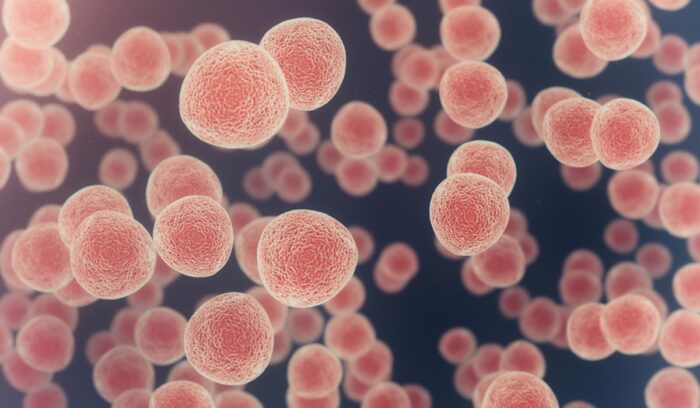
England’s National Health Service has launched the world’s first national program to match cancer patients with personalized vaccine trials, offering thousands of people a new path toward stopping their cancer from returning. The Cancer Vaccine Launch Pad fast-tracks eligible patients into clinical trials for custom-built jabs designed specifically around each person’s tumors. Experts are calling it a landmark moment in cancer treatment — one that could change how the disease is managed for millions of people around the world.
- The NHS has already enrolled dozens of patients, with thousands more expected to join across 30 sites in England.
- The first trials target colorectal, skin, lung, bladder, pancreatic, and kidney cancers, with more types potentially added later.
- The vaccines use mRNA technology — the same platform behind the Pfizer/BioNTech COVID-19 vaccine — personalized to each patient’s specific tumor mutations.
How the NHS cancer vaccine program works
Patients who meet the eligibility criteria agree to provide a blood test and a sample of their cancer tissue for analysis. That data is then used to build a vaccine tailored to the mutations unique to their tumor. The whole process takes just a few weeks, after which patients receive immediate access to the relevant clinical trial.
The vaccines are designed to train the immune system to recognize and destroy any cancer cells that may remain in the body after surgery. The goal is to prevent the disease from returning — potentially offering a permanent cure. Research is still in early stages, but existing trials have already shown these vaccines can be effective at eliminating residual tumor cells and dramatically reducing the risk of recurrence.
Amanda Pritchard, head of NHS England, described the launch as a “landmark moment” for patients and the health service. “The NHS is in a unique position to deliver this kind of world-leading research at size and scale,” she said. “Our national matchmaking service will ensure as many eligible patients as possible get the opportunity to access them.”
NHS cancer vaccine trials give patients reason to hope
The first patient to join the Cancer Vaccine Launch Pad is Elliot Pfebve, a 55-year-old lecturer at Coventry University. He was diagnosed with colorectal cancer after a routine GP check-up despite having no symptoms, and later underwent surgery to remove his tumor and 30 centimeters of his large intestine, followed by chemotherapy. He then received his personalized vaccine at University Hospitals Birmingham NHS Foundation Trust.
Pfebve said he joined the trial both for himself and in hopes of helping others. “Through the potential of this trial, if it is successful, it may help thousands, if not millions of people, so they can have hope,” he said. The trial’s principal investigator, Dr. Victoria Kunene, said it was too early to confirm a full cure but added she was “extremely hopeful” based on the body’s early response to the vaccine.
German biotech company BioNTech, one of the NHS’s partners on the trials, presented early data at the annual meeting of the American Society of Clinical Oncology showing how circulating tumor DNA could help improve early detection of colorectal cancer. Iain Foulkes, executive director of research and innovation at Cancer Research UK, called patient access to personalized vaccines “incredibly exciting” and said clinical trials like this are “vital in helping more people live longer, better lives, free from the fear of cancer.”
What comes next for personalized cancer vaccines
NHS officials say that if the vaccines are successfully developed and approved, they could eventually become part of standard cancer care. Prof. Peter Johnson, NHS England’s national clinical director for cancer, explained that even after a successful operation, cancer can return because a small number of cells remain in the body. “Using a vaccine to target those remaining cells may be a way to stop this happening,” he said.
Thousands of patients are expected to be recruited over the next year as more trial sites come online. The Cancer Vaccine Launch Pad represents a significant step in a global race to harness the immune system as a tool against cancer — and the NHS’s ability to operate at national scale gives it a distinct advantage in generating the data needed to move these treatments toward widespread use. Pfebve put it simply: “I hope this will help other people.”
Progress that fits a larger pattern of medical breakthroughs
This story connects to a broader wave of encouraging developments in medicine and disease prevention. Cancer death rates in the U.K. have already fallen to their lowest level on record, suggesting that earlier detection and better treatments are already making a measurable difference — and personalized vaccines like these could accelerate that trend further. Meanwhile, the momentum in precision medicine extends beyond cancer: a landmark trial recently found that a drug can cut Alzheimer’s risk in half, showing that targeted biological interventions are reshaping how medicine approaches some of its hardest problems. Good News for Humankind covers progress like this every day — you can explore the full Good News for Humankind archive, sign up for the daily newsletter, or learn how storytelling can shift the way people see the world through the Antihero Project.
Sourcing
This story was generated by AI based on a template created by Peter Schulte. It was originally reported by The Guardian.
More Good News
-

Rhinos return to Uganda’s wild after 43 years of absence
Uganda rhino reintroduction reached a historic milestone in 2026 C.E. when rhinos were released into Kidepo Valley National Park — ending more than 40 years of local extinction caused by poaching. Bred at Ziwa Rhino Sanctuary over nearly two decades, the animals return to one of Africa’s most remote and biodiverse savannas, in a story of patient, deliberate conservation finally bearing fruit.
-
UK cancer death rates reach their lowest level ever recorded
UK cancer death rates have reached their lowest level ever recorded, Cancer Research UK confirmed in 2026 C.E. Decades of investment in screening, earlier diagnosis, immunotherapy, and targeted treatments are driving the decline — though progress remains uneven across communities and cancer types.
-

California condors nest on Yurok land in the Pacific Northwest for the first time in over a century
California condor recovery reaches a landmark milestone: condors are nesting on Yurok Tribe territory in the Pacific Northwest for the first time in more than a century. The Yurok, who call the condor prey-go-neesh and consider it a sacred relative, have led restoration efforts since 2008 C.E. — blending Indigenous ecological knowledge with wildlife science. The confirmed nest signals that a self-sustaining wild population may finally be within reach, but lead poisoning from ammunition remains an ongoing threat to the species.