
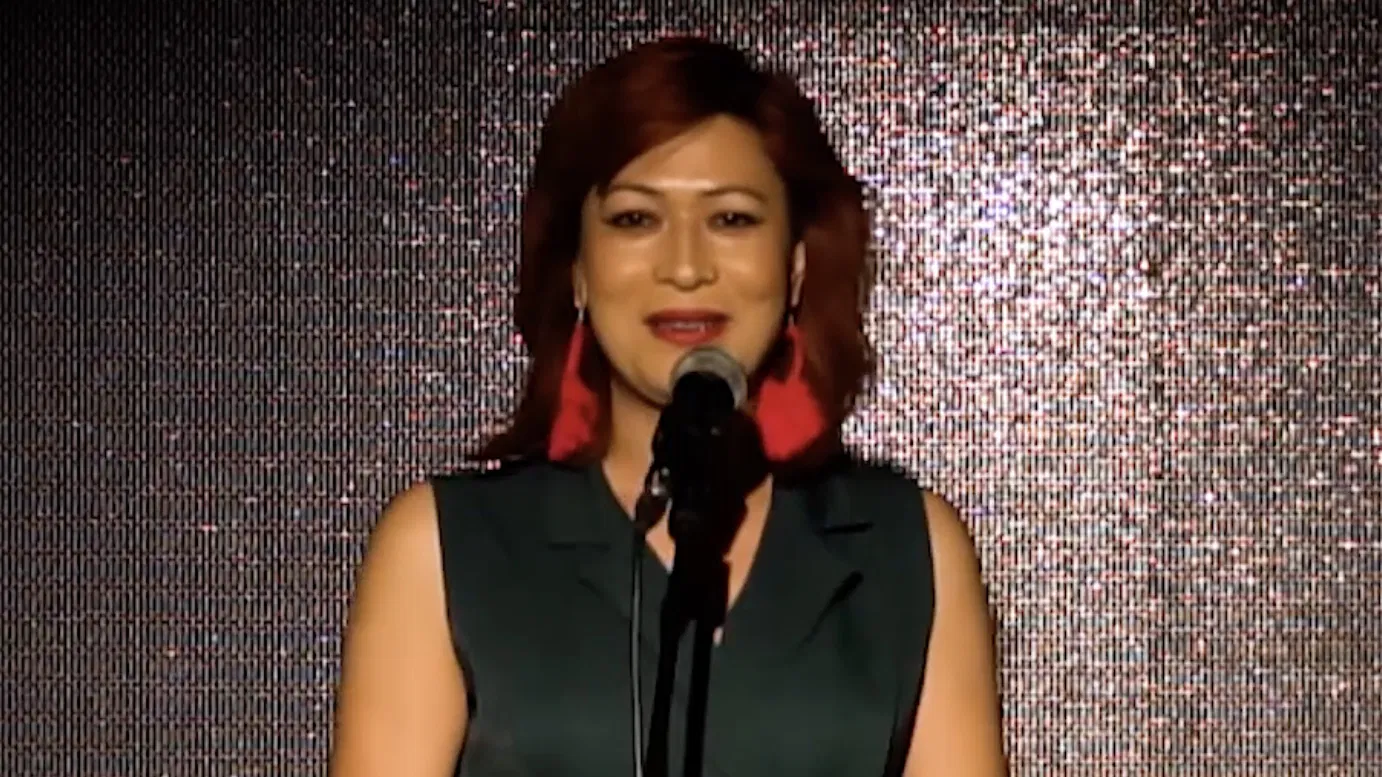
When Ranjita Shrestha took her oath of office in Kathmandu, she became the first openly transgender person to be sworn in as a member of Nepal’s parliament — a milestone that reflects decades of organizing by the country’s gender and sexual minority communities and a legal framework that has, step by step, put Nepal among the most progressive nations in Asia on transgender rights.
At a glance
- Transgender representation: Shrestha was sworn in under a proportional representation seat, a system that has helped bring historically marginalized communities into Nepal’s legislature.
- Legal foundation: Nepal recognized a third gender category on official documents as far back as 2007 C.E., following a landmark Supreme Court ruling — giving the country one of the earliest legal frameworks for gender identity recognition in Asia.
- Community roots: The milestone follows years of grassroots advocacy by organizations like Blue Diamond Society, which has worked since 2001 C.E. to advance the rights of LGBTQ+ Nepalis, particularly those from lower-income and rural communities.
A legal journey decades in the making
Nepal’s path to this moment did not begin in parliament. It began in the courts, in community centers, and on the streets of Kathmandu, where activists fought to have transgender and gender-diverse people recognized as full citizens under the law.
The 2007 C.E. Supreme Court ruling that mandated third-gender recognition on citizenship documents was a turning point. It gave transgender Nepalis access to identity documents — a prerequisite for participating in civic life, including voting and running for office. That ruling has since influenced legal conversations across South Asia.
Nepal’s 2015 C.E. constitution took the recognition further, explicitly prohibiting discrimination based on sexual orientation and gender identity. While implementation has been uneven — a persistent challenge across many countries that have passed progressive laws — the constitutional language provided a platform for advocates to hold the government accountable.
What proportional representation made possible
Shrestha’s path to parliament ran through Nepal’s proportional representation system, which reserves seats for groups that have historically been excluded from political power. That mechanism has been essential for bringing Dalit, Indigenous, women, and gender-minority voices into a legislature that would otherwise remain dominated by higher-caste men.
It is worth being clear about what this means structurally: proportional representation did not hand Shrestha a seat — it removed a barrier. She still had to be nominated, vetted, and confirmed within her party’s process. The system created an opening; advocates and organizers filled it.
Other countries with similar proportional systems have seen comparable breakthroughs for historically excluded communities. Nepal’s experience adds evidence that electoral design choices have real consequences for who gets to govern.
What comes after the oath
Symbolic milestones matter. Research on political representation consistently shows that seeing people from one’s community in positions of power changes what young people believe is possible for themselves. For transgender youth in Nepal — many of whom face family rejection, limited economic opportunity, and social stigma — Shrestha’s presence in parliament sends a signal that their country has a place for them.
But representation is a beginning, not an end. Human Rights Watch’s reporting on Nepal has documented continued violence and discrimination against transgender people, particularly those from rural areas and lower-caste backgrounds, where legal protections on paper have been slow to translate into lived reality. Shrestha has acknowledged that her work in parliament will mean little if it does not translate into concrete policy improvements — in healthcare access, employment protections, and safety.
Nepal has also been moving toward legalizing same-sex marriage, with the Supreme Court directing the government to allow registration of same-sex unions as recently as 2023 C.E. That process remains incomplete, a reminder that legal progress in Nepal, as everywhere, moves in fits and starts.
A regional signal
Nepal sits between India and China — two countries where transgender rights remain contested and where legal recognition, though present in India since a 2014 C.E. Supreme Court ruling, has not consistently translated into political representation at the national level.
Across South and Southeast Asia, UNDP research has documented that LGBTQ+ people face significant barriers to economic participation, healthcare, and civic life. Nepal’s incremental progress — imperfect as it is — offers a data point for advocates in neighboring countries arguing that legal recognition and political inclusion are achievable.
It also reflects something specific about Nepal’s political culture: a history of grassroots movements reshaping the state, from the Maoist insurgency that ended the monarchy to the disability rights activists who pushed for constitutional inclusion. The transgender community’s political gains fit within that longer tradition of organizing from the margins toward the center.
The UN Independent Expert on sexual orientation and gender identity has pointed to Nepal’s legal framework as a model worth studying, even while noting gaps in implementation. That international attention adds a layer of accountability — and a measure of recognition — to what Nepali advocates have built over decades.
Read more
For more on this story, see: Rugged Strap
For more from Good News for Humankind, see:
- Romania finally recognizes trans man’s identity in landmark E.U. victory
- Landmark ruling in Suriname grants protections to local and Indigenous communities
- The Good News for Humankind archive on human rights
- LGBTQ+ rights: the milestones expanding dignity and equality worldwide
About this article
- 🤖 This article is AI-generated, based on a framework created by Peter Schulte.
- 🌍 It aims to be inspirational but clear-eyed, accurate, and evidence-based, and grounded in care for the Earth, peace and belonging for all, and human evolution.
- 💬 Leave your notes and suggestions in the comments below — I will do my best to review and implement where appropriate.
- ✉️ One verified piece of good news, one insight from Antihero Project, every weekday morning. Subscribe free.


