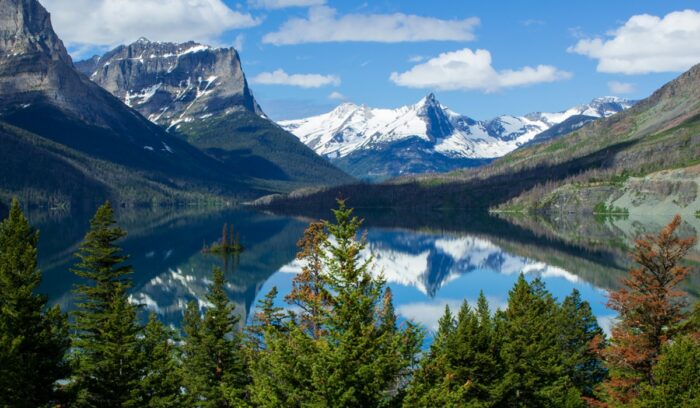
The National Park Foundation announced it has received a $100 million grant from Lilly Endowment Inc. — the largest gift in the foundation’s nearly 60-year history and the largest grant benefiting national parks in U.S. history. The money will fund programs to expand access for young people, conserve threatened ecosystems and wildlife, and ensure that more than 320 million annual visitors have a world-class experience across the park system’s more than 400 sites.
- The grant is the largest in the National Park Foundation’s nearly 60-year history and the largest ever for U.S. national parks.
- Lilly Endowment Inc., based in Indianapolis, was founded in 1937 by members of the family behind pharmaceutical company Eli Lilly and Company.
- The National Park Service manages more than 400 sites and welcomed more than 320 million visitors in the most recent fiscal year.
National Park Foundation grant to reach communities left out of the American story
Foundation president and CEO Will Shafroth said private philanthropy has long helped fill the gap between what parks need and what federal budgets provide. The National Park Service operated on a $3.3 billion budget in fiscal year 2024, and private giving has historically covered programs that government funding alone cannot support. Shafroth called the new grant an opportunity to “supercharge” the foundation’s work ensuring parks remain accessible to everyone for generations to come.
One of the four priorities the foundation named is telling a fuller version of American history. That includes centering the stories and contributions of communities whose experiences have not been fully reflected in how national parks interpret and present the past. Foundation officials said this work is essential to making the park system relevant and welcoming to all Americans, not just those who already feel represented in its history.
Lilly Endowment chairman and CEO N. Clay Robbins said the organization’s founders were inspired by the natural world and committed to research and education about archaeology and cultural history. That legacy directly connects to what the foundation plans to fund. The endowment was established in 1937 by J.K. Lilly Sr. and his sons, Eli and J.K. Jr., and has grown into one of the largest private foundations in the U.S.
National Park Foundation grant targets youth access and wildlife conservation
A significant portion of the funding will go toward creating new pathways for young people to visit and connect with the national park system. Research consistently shows that early experiences in nature shape lifelong environmental values, and millions of young Americans currently have limited access to parks due to cost, distance, or lack of programming. Expanding that access is central to what the foundation describes as its long-term mission.
The grant will also fund conservation of threatened ecosystems and wildlife across park lands. Congress established Yellowstone National Park in 1872 as the first national park in the U.S., and President Woodrow Wilson signed the act creating the National Park Service in 1916. More than 150 years later, climate change and habitat loss continue to threaten the landscapes and species these parks were created to protect.
The foundation said the four priorities — youth access, conservation, inclusive history, and visitor experience — reflect what communities across the country have told them they want from the national park system. The $100 million gift gives the foundation the resources to act on those priorities at a scale that was not previously possible.
Conservation momentum worth following
This grant arrives at a moment when conservation funding and access-focused initiatives are gaining ground globally. Off the coast of West Africa, Ghana established a new marine protected area near Cape Three Points, demonstrating that community-driven conservation can expand protections even in under-resourced contexts. And in East Africa, Uganda reintroduced rhinos to Kidepo Valley after decades of absence, showing what is possible when conservation investment meets long-term commitment. All three stories point to the same truth: protecting nature and making it accessible to people requires sustained funding, political will, and inclusive vision. You can find more stories like these in the Good News for Humankind archive, sign up for the daily newsletter, or explore the values behind this project at the Antihero Project.
Sourcing
This story was generated by AI based on a template created by Peter Schulte. It was originally reported by NPR.
More Good News
-
Rhinos return to Uganda’s wild after 43 years in landmark conservation milestone
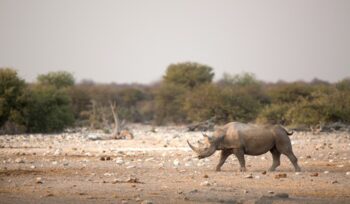
For the first time in 43 years, wild rhinos are roaming Uganda again. After poaching wiped out the population in the early 1980s, conservation authorities have successfully reintroduced rhinos into Kidepo Valley National Park — the result of decades of breeding, community engagement, and anti-poaching work. The milestone is one of Africa’s most significant wildlife recovery achievements in recent memory and offers a model for rewilding efforts across the continent.
-

UK cancer death rates fall to lowest level ever recorded in historic milestone
Cancer death rates in the United Kingdom have fallen to their lowest level ever recorded, Cancer Research UK announced in March 2026. Decades of investment in screening programs, early detection, and new treatments are behind the milestone. Despite the progress, researchers warn that geographic and socioeconomic inequalities in cancer outcomes remain significant, and that sustained funding and equitable access to care will be essential to drive further gains.
-
California condors nest on Yurok land in Pacific Northwest for first time in over a century
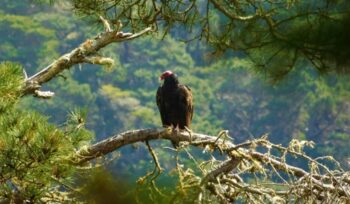
California condors are nesting in the Pacific Northwest for the first time in more than a century, confirmed on Yurok Tribe territory in Northern California. The Yurok, who regard condors as sacred relatives, launched their restoration program in 2003 and released the first birds in 2022. The nesting confirmation marks a milestone for both species recovery and Indigenous-led conservation, showing that when Native peoples lead ecological restoration on their own lands, the results can be extraordinary.