
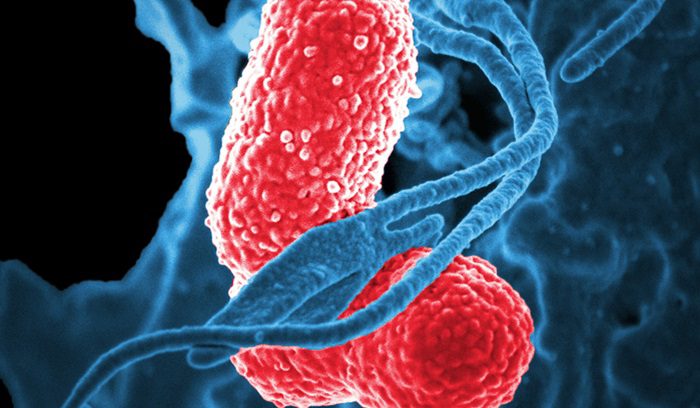
A child still dies of pneumonia every 43 seconds — but that number is falling fast. Since 2009 C.E., a coordinated global push to vaccinate children against pneumococcal disease has cut childhood pneumonia deaths roughly in half, saving an estimated 1.2 million young lives by the end of 2023 C.E. and averting more than $33 billion in illness costs.
At a glance
- Pneumococcal vaccines: Since Gavi supported the first roll-out of the PCV vaccine in 2009 C.E., 438 million children have been vaccinated in 64 countries, averting an estimated 1.2 million deaths through 2023 C.E.
- Advance Market Commitment: This innovative financing mechanism, launched by Gavi in 2009 C.E., created a $1.5 billion fund to guarantee vaccine purchases and unlock access for children in lower- and middle-income countries.
- Childhood pneumonia deaths: Pneumonia still kills roughly 2,000 children every day worldwide, making it the leading infectious cause of child death — but the trend line is moving in the right direction.
How a funding model changed everything
Before 2009 C.E., pneumococcal conjugate vaccines (PCVs) existed — but their price kept them out of reach for the countries that needed them most. The Advance Market Commitment changed that equation.
By guaranteeing that manufacturers would have a buyer, the fund brought prices down and gave companies the certainty they needed to scale up production. The result was a revolution in access. Countries across sub-Saharan Africa, South Asia, and beyond could suddenly afford to add PCV to their routine immunization schedules — and children’s lives improved almost immediately.
The numbers from Kenya tell the story clearly. After introducing PCV in 2011 C.E. with Gavi support, the country saw a 92% reduction in PCV-10 type invasive pneumococcal disease in children under five by 2019 C.E., according to data published in The Lancet. Nigeria, which introduced PCV in 2014 C.E., saw pneumonia and lower respiratory infection deaths fall from nearly 480 per 100,000 children to 386 per 100,000 by 2019 C.E.
Reaching the hardest places
The most recent wave of progress is happening in fragile states — countries where health systems are stretched thin and children face the greatest risk. Chad introduced PCV alongside rotavirus and malaria vaccines in a package that addresses several of the leading killers of young children at once. Somalia and South Sudan are set to follow with Gavi support.
For children in these settings, vaccination can be the difference between life and death. Many live far from clinics, in communities where antibiotics and hospital care are hard to reach. A single well-timed vaccine dose can stop pneumococcal disease before it starts.
Beyond PCV, the Haemophilus influenzae type b (Hib) vaccine and the measles vaccine also reduce pneumonia deaths, adding another layer of protection for children who receive them. This matters especially now, as antibiotic resistance grows and the bacterial strains behind pneumonia become harder to treat.
What still stands in the way
Progress against pneumonia has been real but slower than against some other diseases. Measles deaths have fallen to roughly one-sixth of their level over the past 20 years; pneumonia deaths have declined more gradually. The reasons are structural. Childhood pneumonia is tightly linked to undernutrition, unsafe water and sanitation, indoor air pollution, and limited access to health care. A vaccine addresses one part of that picture — but not all of it.
Funding is the other constraint. Gavi has committed $1 billion to its PCV program between 2026 C.E. and 2030 C.E., but that spending depends on the Vaccine Alliance meeting its replenishment target of $9 billion to fund all its programs over those five years. The 1.2 million children already saved represent what’s possible when the money shows up. The children saved in the next five years depend on the same commitment.
Still, the arc of the data is encouraging. Millions of children in the world’s poorest countries are alive today because researchers, governments, and global health organizations found a way to make a proven tool affordable and deliverable at scale. That is not a small thing.
Read more
For more on this story, see: Gavi — VaccinesWork
For more from Good News for Humankind, see:
- Global alliance buys half a million mpox vaccines for Africa
- Malaria vaccine price cut will protect 7 million more children by 2030
- The Good News for Humankind archive on global health
- Child well-being: the wins giving children safer, healthier starts in life
About this article
- 🤖 This article is AI-generated, based on a framework created by Peter Schulte.
- 🌍 It aims to be inspirational but clear-eyed, accurate, and evidence-based, and grounded in care for the Earth, peace and belonging for all, and human evolution.
- 💬 Leave your notes and suggestions in the comments below — I will do my best to review and implement where appropriate.
- ✉️ One verified piece of good news, one insight from Antihero Project, every weekday morning. Subscribe free.


