
Curated by Peter Schulte · Published 2026-08-18 · Last updated 2026-08-18
Medical breakthroughs are arriving faster than at any point in modern history — and the scale of what’s changing is extraordinary.
Gene therapies are restoring hearing to deaf children and curing diseases that killed previous generations. mRNA technology, proven by COVID-19 vaccines, is now being aimed at pancreatic cancer, lung cancer, and glioblastoma. Immunotherapy drugs are producing 100% response rates in rectal cancer trials that would have been unthinkable a decade ago.
The shift isn’t confined to wealthy countries or single diseases. HIV prevention has been transformed by a twice-yearly injection with 99.9% effectiveness. India launched a $2.50 cervical cancer vaccine. Japan approved the world’s first stem cell therapy for Parkinson’s disease.
Taken together, these advances represent a fundamental inflection point: medicine is moving from managing chronic disease toward preventing, reversing, and in some cases curing it.
Key takeaways
- A twice-yearly HIV prevention shot (lenacapavir) showed 99.9% effectiveness in trials and is being licensed for generic production in 120 low-income countries.
- Immunotherapy drug dostarlimab eliminated tumors in all 42 rectal cancer patients who completed the Memorial Sloan Kettering trial — a 100% response rate.
- Japan approved the world’s first iPSC stem cell therapy for Parkinson’s disease, offering hope to an estimated 10 million patients globally.
- Gene therapy restored meaningful hearing to 16 of 20 children with inherited deafness in a Regeneron trial — and the treatment is being offered free to U.S. families.
- mRNA vaccine technology is expanding far beyond COVID-19, with active trials targeting lung cancer, pancreatic cancer, melanoma, ovarian cancer, and glioblastoma.
Recovery at a glance
| Subject | Recovery | Where |
|---|---|---|
| Dostarlimab (rectal cancer) | 100% tumor elimination in all 42 trial patients | USA |
| Lenacapavir HIV prevention | 99.9% effectiveness; 100% efficacy in women's trial | Global / South Africa / Uganda |
| Iberian lynx | Dostarlimab approved for 120 low-income countries at generic price | Global |
| Parkinson's iPSC stem cell therapy | World's first approval for iPSC-based Parkinson's treatment | Japan |
| Gene therapy for inherited deafness | 16 of 20 deaf children gained meaningful hearing; offered free in U.S. | USA |
| Personalized mRNA pancreatic cancer vaccine | 7 of 8 immune responders alive six years post-treatment | USA |
| CRISPR for hereditary angioedema | 10 patients attack-free for 18 months after single infusion | USA |
| Type 1 diabetes stem cell reversal | Patient insulin-independent within months of transplant | China |
| Metachromatic leukodystrophy gene therapy | First-ever cure of MLD in a child via single gene therapy infusion | UK |
| Glioblastoma personalised vaccine | More than doubled five-year survival rates in international trial | International |
| Mesothelioma drug (ATOMIC-meso trial) | Quadrupled three-year survival rates vs. standard care | International |
| R21 malaria vaccine | First country in world to approve R21; protects children from 5 months | Ghana |
| Cervical cancer chemo-before-radiotherapy | 40% reduction in risk of dying from cervical cancer | UK / Mexico / India / Italy / Brazil |
| Suzetrigine (Journavx) | First new class of non-opioid pain drug approved in over 20 years | USA |
| Nasal spray for stroke | Reduced brain damage by 80%+ within 30 minutes in preclinical studies | Hong Kong |
| AI-discovered antibiotics | First new antibiotic class discovered in over 60 years | USA |
On this page
- Why this matters
- What’s driving the comeback
- Cancer breakthroughs: immunotherapy, vaccines, and first-ever cures
- Gene therapy and CRISPR: editing disease out of the body
- Vaccines for diseases long without them: malaria, HIV, RSV, and cancer
- Neurology and sensory restoration: Parkinson’s, vision, and the brain
- First-ever approvals and diagnostic firsts: pain, transplants, and new tools
- Global access and equity: affordable drugs, low-cost tools, and international approvals
- More wildlife comebacks
- The outlook
- Frequently asked questions
Why this matters
Medicine is undergoing a platform revolution. The same mRNA technology that produced COVID-19 vaccines in record time is now being loaded with instructions to fight pancreatic cancer, lung cancer, melanoma, and glioblastoma — diseases that have resisted treatment for decades.
Simultaneously, gene editing has crossed from theory into clinical reality. Children born deaf are hearing. A toddler with a universally fatal neurological disease is running and chattering. A woman with type 1 diabetes is producing her own insulin for the first time.
What makes this moment different from previous eras of medical optimism is the convergence: AI accelerating drug discovery, stem cell science maturing into approved therapies, and immunotherapy producing response rates — 100% in some rectal cancer trials — that researchers themselves describe as unprecedented.
By the numbers
- 100%: dostarlimab eliminated tumors in all 42 rectal cancer patients in the Memorial Sloan Kettering trial
- 99.9%: lenacapavir’s effectiveness rate at preventing HIV transmission in clinical trials
- 80%+: reduction in stroke brain damage from Hong Kong’s experimental nasal spray in preclinical studies
- 65%: reduction in dangerous Lp(a) cholesterol achieved by muvalaplin pill in just two weeks
- 93%: sensitivity of new 18-cancer blood test for earliest-stage male cancers
- 35–40%: reduction in cervical cancer death risk from adding chemotherapy before standard treatment
- 16 of 20 deaf children gained meaningful hearing after Regeneron’s gene therapy trial
What’s driving the comeback
The single biggest driver across these stories is platform technology maturity. mRNA, once experimental, is now being aimed at every major cancer type simultaneously — with the NHS in England operating a dedicated vaccine matchmaking program across 30 hospitals.
Gene editing has similarly crossed a critical threshold. CRISPR freed ten hereditary angioedema patients from life-threatening attacks after a single infusion. A viral vector carrying the otoferlin gene restored hearing in deaf children in Shanghai. Libmeldy cured a toddler of a fatal brain disease with one infusion. The pattern is consistent: precise genetic correction outperforming decades of symptomatic management.
Access and affordability are emerging as a third driver. India’s Serum Institute priced its HPV vaccine at $2.50–$5.00 per dose. Gilead licensed lenacapavir to generic manufacturers for 120 low-income countries. Pfizer extended non-profit pricing to all 500 of its medicines across 45 of the poorest countries. These moves suggest the innovation pipeline is, slowly, being connected to global need.
Cancer breakthroughs: immunotherapy, vaccines, and first-ever cures
The most striking pattern across recent oncology news is the emergence of 100% response rates — a phrase almost never used in cancer research — alongside the rapid maturation of personalized mRNA vaccines from concept to Phase 3 trials. These stories share a common thread: the immune system, properly directed, can do what chemotherapy alone cannot.

Dostarlimab: the rectal cancer drug with a 100% response rate
Dostarlimab earned FDA Breakthrough Therapy Designation after eliminating rectal tumors in all 42 patients who completed a Memorial Sloan Kettering trial, with some participants cancer-free for up to four years. The drug works by helping the immune system recognize and attack cancer cells. The result is described as without precedent in oncology research.

Bowel cancer immunotherapy: every patient tumor-free
In a separate rectal cancer trial, all 42 patients treated with dostarlimab showed no detectable tumor after treatment. The first 24 patients have been tracked for an extended follow-up period, reinforcing the durability of the response. The result is described as essentially unheard of in cancer research.

mRNA pancreatic cancer vaccine: seven of eight patients alive six years on
A personalized mRNA vaccine for pancreatic cancer — one of medicine’s hardest diseases — has produced remarkable long-term results in a small trial. Seven of eight patients who mounted an immune response remain alive six years after treatment, an extraordinary outcome for a cancer with historically poor prognosis. The vaccine uses the same mRNA platform as COVID-19 vaccines.

World’s first mRNA lung cancer vaccine enters human trials
BNT116, developed by BioNTech, has entered human trials in seven countries — the first time an mRNA vaccine has been tested in lung cancer patients. The vaccine uses messenger RNA technology to train the immune system to recognize and attack non-small cell lung cancer cells. The trial marks a historic milestone in cancer treatment.

New protein blood test screens for 18 cancers at once
A single blood draw can now screen for 18 different cancers covering every major organ in the body. Researchers at U.S. biotech firm Novelna found the test caught 93% of earliest-stage cancers in male samples and 84% in female samples. The approach could transform early detection before symptoms appear.

TLPO personalized cancer vaccine: 95% of melanoma patients alive at three years
A personalized cancer vaccine developed by Dr. Thomas Wagner sent nearly 95% of advanced melanoma patients who received only the vaccine to three-year survival in Phase 2 trials. The treatment is now heading into Phase 3 testing. Researchers note that the minimal side effect profile sets it apart from conventional cancer treatments.

NHS Cancer Vaccine Launch Pad: fast-tracking personalized mRNA trials in England
England’s NHS has launched a world-first program matching cancer patients with personalized mRNA vaccines built around their individual tumors. The Cancer Vaccine Launch Pad operates across 30 hospitals and uses the same mRNA technology that underpinned COVID-19 vaccines. The program represents a systematic national effort to accelerate cancer vaccine access.

Triple-negative breast cancer vaccine sparks immune response in first human trial
A new breast cancer vaccine targeting triple-negative breast cancer — an aggressive subtype that resists most standard treatments — produced an immune response in three out of four patients during its first human safety trial. No serious side effects were reported in the Cleveland Clinic study. The result is considered promising enough to advance the vaccine toward larger trials.

Australian researchers nearly double cure rates for the most common breast cancer
Researchers in Australia have nearly doubled cure rates for hormone receptor-positive breast cancer, the form accounting for roughly 70% of all diagnoses worldwide, by combining immunotherapy with existing treatment. The breakthrough represents one of the most significant advances in breast cancer treatment in years. The combination approach targets the immune system rather than the tumor directly.

Blood test spots breast cancer recurrence 15 months before symptoms
A new liquid biopsy blood test detected returning breast cancer an average of 15 months before symptoms or imaging — and in one case, 41 months ahead of diagnosis. In a UK trial of 78 patients, the test correctly flagged every woman who later relapsed. The test scans for circulating tumor DNA shed by returning cancer cells.

Mesothelioma drug quadruples three-year survival rates
A drug that starves mesothelioma tumors of a key nutrient has quadrupled three-year survival rates in the international ATOMIC-meso trial, marking the first successful new treatment for the disease in 20 years. The trial was led by Queen Mary University of London. The result changes the outlook for a cancer historically resistant to new therapies.

Personalised glioblastoma vaccine more than doubles five-year survival
A personalised vaccine for glioblastoma — the most aggressive brain cancer — more than doubled five-year survival rates in a large international trial, representing the most promising new treatment in nearly three decades. The vaccine is built from proteins extracted from each patient’s own tumor. Researchers describe it as the biggest advance in glioblastoma treatment since standard care was established.

ALS pill designed to rebuild synapses moves to Phase 2 trials
SPG302, a once-daily pill designed to rebuild the neural connections damaged by ALS rather than merely slow their loss, has received FDA approval to begin Phase 2 human trials. Patients across the U.S. began doses in April 2024. The approach represents a fundamentally different strategy from existing ALS treatments.

Single drug candidate shows activity across all major types of bone cancer
Scientists have identified a single drug candidate active against all the major types of primary bone cancer — a group of diseases that have long resisted a unified treatment approach. Because bone cancers are rare and diverse, finding a compound with broad activity is considered a meaningful step forward. Researchers say the discovery opens a new avenue for this difficult-to-treat group.

Radioactive implant wipes tumors in unprecedented pre-clinical success
A Duke University device that injects a radioactive gel directly into pancreatic tumors — trapping iodine-131 at the site — has produced results researchers say have no match in the existing scientific record. The implant is designed to deliver targeted radiation from within the tumor itself. Pre-clinical results are described as unprecedented for pancreatic cancer.

Artificial DNA from Japanese scientists kills cancer cells from within
Researchers at the University of Tokyo engineered synthetic DNA molecules that lie dormant until they detect a chemical overproduced by cancer cells, then restructure themselves to destroy those cells. The approach turns cancer’s own biology against itself, representing a conceptual leap in oncology. The artificial DNA is designed to leave healthy cells unaffected.

UK trial cuts cervical cancer death risk by 35%
Adding a short course of chemotherapy before standard treatment reduced the risk of cervical cancer death or recurrence by 35% in a major clinical trial led by University College London. The study was funded by Cancer Research UK and involved patients across multiple countries. The result is one of the most significant advances in cervical cancer treatment in years.

New cervical cancer timing strategy cuts death risk by 40%
A trial spanning the U.K., Mexico, India, Italy, and Brazil found that giving a short course of chemotherapy before standard chemoradiotherapy reduced cervical cancer mortality risk by 40%. Researchers describe it as the biggest leap in cervical cancer treatment in 25 years. The change involves timing, not new drugs — making it immediately adoptable by health systems.
Gene therapy and CRISPR: editing disease out of the body
Gene therapy has moved decisively from experimental to approved, with treatments now curing conditions — inherited deafness, a fatal childhood brain disease, hereditary angioedema — that medicine previously could only manage or watch progress. The common mechanism is elegant: deliver a corrected gene, or silence a faulty one, and let the body’s own biology take over.

FDA approves first gene therapy for inherited deafness — offered free in the U.S.
Regeneron’s gene therapy for children born deaf due to OTOF gene mutations has received FDA approval, with the company offering it free to U.S. families. In a trial of 20 children, 16 gained meaningful hearing within about five months, with several reaching essentially normal hearing. The approval is the first of its kind for inherited deafness.

Chinese gene therapy restores partial hearing in deaf children
A Shanghai team at Fudan University used a harmless viral vector to deliver a working copy of the otoferlin gene directly into the inner ear, restoring partial hearing in four out of five deaf children. Each child regained roughly 60 to 65 percent of typical hearing ability. The trial represents one of the first successful gene therapy interventions for hereditary deafness.

Gene therapy cures toddler of fatal MLD for first time in history
Nineteen-month-old Teddi Shaw became the first NHS patient cured of metachromatic leukodystrophy, a rare and universally fatal nervous system disease, after a single infusion of Libmeldy at Royal Manchester Children’s Hospital. After treatment, she was running around and chattering — outcomes that would have been impossible without intervention. The cure marks a historic first in gene therapy for childhood neurological disease.

CRISPR frees patients from life-threatening hereditary angioedema attacks
Ten patients with hereditary angioedema — a condition causing sudden, potentially fatal swelling attacks — remained attack-free for 18 months and counting after a single CRISPR gene editing infusion. The therapy works by switching off the gene that produces the protein driving the attacks. Researchers describe it as functioning like a medical magic wand.

Chinese researchers reverse type 1 diabetes with a patient’s own stem cells
A 25-year-old woman in China received a transplant of insulin-producing cells reprogrammed from her own body’s stem cells and within three months was generating insulin naturally — eventually eliminating the need for injections. The result marks a historic milestone in diabetes research. The use of the patient’s own cells sidesteps the rejection problems that have long hampered transplant approaches.

Smart insulin switches itself on and off based on blood sugar
Danish researchers have developed a smart insulin molecule that reads blood glucose in real time and adjusts its own activity accordingly — switching on when sugar climbs and powering down as levels normalize. The molecule cleared animal trials and results were published in Nature. If the approach reaches humans, it could replace the constant monitoring required by current insulin regimens.
Vaccines for diseases long without them: malaria, HIV, RSV, and cancer
Vaccines have historically been medicine’s most powerful population-level tool, yet several of the world’s deadliest diseases — malaria, fungal infections, RSV, ovarian cancer — have lacked them entirely until now. The stories in this section share a common pattern: decades of failed attempts followed by genuine breakthroughs enabled by new platform technologies and, in HIV’s case, a shift from daily pills to long-acting injectables.

FDA approves twice-yearly lenacapavir HIV shot with 99.9% effectiveness
Lenacapavir, branded Yeztugo, has become the first long-acting injectable PrEP option in history following FDA approval, with clinical trials showing it stopped HIV transmission in more than 99.9% of participants. The twice-yearly injection outperforms daily oral PrEP tablets and removes the adherence burden that makes daily pills difficult for many people. The approval is described as a landmark moment in HIV prevention.

Twice-yearly HIV shot achieves 100% success rate in African women’s trial
Lenacapavir protected every single one of 2,134 women who received it in a late-stage trial across South Africa and Uganda — a 100% efficacy result so striking that trial monitors ended the blinded phase early. Daily oral prevention pills had failed many of the same participants due to adherence challenges. The result is considered one of the most significant HIV prevention findings in the history of the epidemic.

HIV prevention drug to be made available cheaply in 120 countries
Gilead Sciences has licensed six generic manufacturers across India, Egypt, Pakistan, and the U.S. to produce lenacapavir affordably for 120 low-income countries. The move follows clinical trial results showing near-perfect effectiveness and addresses the stark gap between where HIV prevention is needed most and where new drugs are accessible. The licensing deal is considered a major step toward equitable access.
Zimbabwe becomes first African nation to approve cabotegravir HIV prevention injection
Zimbabwe approved cabotegravir, a long-acting HIV prevention injection given once every two months, becoming the first country in Africa to do so — joining only Australia and the United States at the time. For young women and girls especially, a bimonthly shot replaces a daily pill that requires consistent adherence. The approval was seen as a significant step toward modernizing HIV prevention in sub-Saharan Africa.
Annual HIV prevention shot clears first safety trial
A once-yearly version of lenacapavir cleared its first safety trial, with the drug still detectable in participants’ bodies a full 56 weeks after a single injection. The result suggests that yearly dosing — even easier to maintain than twice-yearly — may be achievable. Researchers see it as a hopeful sign for people who find any regular medication schedule difficult to maintain.

Ghana becomes first country to approve ‘world-changer’ R21 malaria vaccine
Ghana’s approval of the R21 malaria vaccine, developed at Oxford’s Jenner Institute, cleared the way for children as young as five months to be protected against a disease that kills roughly 620,000 people every year, mostly young children in Africa. Ghana was the first country anywhere in the world to approve R21. The vaccine has been described as a potential world-changer for malaria control.

New mosquito bed nets cut malaria risk by up to 50% across Africa
New dual-insecticide bed nets reduced malaria transmission by 20 to 50 percent in a major trial across 17 African countries, directly addressing the growing problem of mosquito resistance to standard pyrethroid coatings. The nets pair the standard insecticide with a second compound that hits mosquitoes through a different mechanism. The results offer a practical, scalable answer to insecticide resistance in high-burden settings.
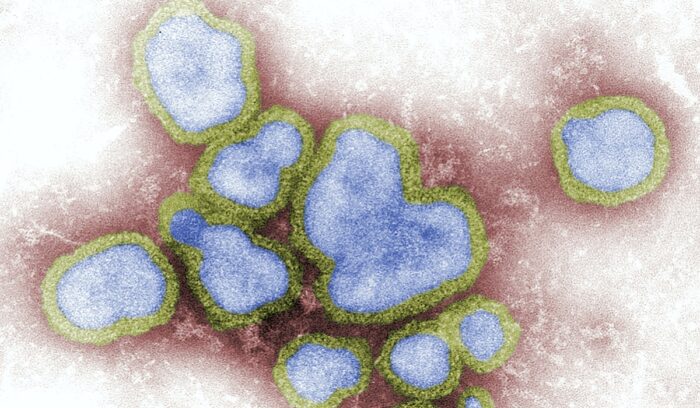
FDA approves first-ever RSV vaccine for at-risk adults
Pfizer’s ABRYSVO became the first licensed RSV vaccine for at-risk adults as young as 18, closing a protection gap for people living with chronic conditions like diabetes, asthma, or heart disease. About one in ten U.S. adults aged 18 to 49 has such a condition, leaving them disproportionately vulnerable to RSV complications. The approval followed decades during which no RSV vaccine existed for any age group.

First vaccine to target deadly fungal infections passes preclinical tests
Researchers at the University of Georgia have developed a single shot that trains the immune system to recognize all three of the deadliest fungal pathogens — a world first, given that no vaccine for any major fungal infection has ever existed. Fungal infections kill an estimated 1.6 million people every year, yet have attracted far less vaccine research than bacterial or viral diseases. The preclinical results represent a breakthrough in a long-neglected area of infectious disease.
Oxford developing world’s first vaccine to prevent ovarian cancer
OvarianVax, in development at the University of Oxford, has received funding from Cancer Research UK to pursue the world’s first vaccine designed to prevent ovarian cancer before it starts. The approach trains the immune system to recognize over 100 proteins found on ovarian cancer cells. If successful, it would address one of the cancers with the lowest survival rates and fewest early-detection options.

India launches first homegrown HPV vaccine at $2.50 per dose
CERVAVAC, developed by the Serum Institute of India, protects against the HPV strains responsible for the majority of cervical cancer cases and is priced at just $2.50 to $5.00 per dose — a fraction of what HPV vaccines have cost in wealthy countries for nearly two decades. India’s development of its own vaccine breaks the pricing barrier that has kept cervical cancer prevention out of reach for millions. The launch is seen as a model for low-cost vaccine development in middle-income countries.

Fentanyl vaccines heading into first human trials
Vaccines designed to block the effects of fentanyl by training the immune system to grab the drug molecules before they reach the brain are heading into Phase 1 human trials at Columbia University in early 2024. Developed by researchers at the University of Montana and University of Washington, the vaccines represent a novel approach to opioid addiction and overdose prevention. If successful, they could offer a new tool against one of the most lethal drug crises in modern history.

Nasal COVID-19 vaccine shows longer immunity than standard injections
A nasal COVID-19 vaccine developed at Duke-NUS Medical School in Singapore produced more central memory T cells than standard injections in hamster studies, suggesting it could provide protection that lasts considerably longer. By delivering the vaccine where the virus enters the body, the approach may also block transmission more effectively. Researchers say the findings support advancing the nasal vaccine toward human trials.
Neurology and sensory restoration: Parkinson’s, vision, and the brain
Neurological diseases have long been among medicine’s hardest problems — conditions where the damage accumulates, the biology is complex, and few treatments address root causes. What’s changing now is the emergence of stem cell therapies, implants, and diagnostic tools that go beyond symptom management toward genuine biological restoration.

Japan approves world’s first iPSC stem cell therapy for Parkinson’s disease
Japan has approved the world’s first iPSC-based therapy for Parkinson’s disease, developed by researchers at Kyoto University. The treatment transplants lab-grown dopamine-producing neurons into the brain to restore the function lost as the disease progresses. The approval offers real hope to an estimated 10 million Parkinson’s patients globally.

FDA approves wearable Onapgo device for continuous Parkinson’s symptom management
Onapgo, a small wearable device approved by the FDA, delivers a steady infusion of apomorphine under the skin to give Parkinson’s patients continuous symptom control without surgery. The device bypasses the digestive system, which can interfere with standard oral medications. It will become available to Americans in late 2025.

Blood test could catch Parkinson’s disease before symptoms appear
Researchers at Kobe University have developed a blood assay that detects changes in enzyme activity associated with Parkinson’s disease, achieving 85 to 88 percent accuracy in both human and rat models — potentially identifying the disease before any clinical symptoms emerge. Early detection could open a window for intervention before significant neurological damage occurs. The test represents a significant step toward a routine Parkinson’s screening tool.

Monash University’s bionic eye bypasses the optic nerve to restore vision
Gennaris, a bionic vision system from Monash University, sends signals from a camera headset directly to the brain’s visual cortex, bypassing the eye and optic nerve entirely — reaching a group of blind patients that most existing visual aids cannot help. The device is designed for people whose blindness stems from optic nerve damage. Researchers say it could open a path to functional sight for a previously unaddressed population.

Japanese surgeons restore vision with stem-cell cornea transplants in a world first
Japanese surgeons used reprogrammed induced pluripotent stem cells to perform the world’s first stem-cell cornea transplants on human patients, restoring vision in three of four participants with results that held for more than a year. The study was published in The Lancet. The procedure could offer an alternative for patients with corneal blindness who lack suitable donor tissue.

New York surgeons perform world’s first whole-eye transplant
A team at NYU Langone Health successfully performed the world’s first whole-eye transplant, combining a donor eyeball, a partial face transplant, and a stem cell infusion into the optic nerve in a procedure lasting more than 20 hours. The patient, Aaron James, had lost much of his face in an accident. While the transplanted eye has not yet achieved functional vision, the surgery established that whole-eye transplantation is survivable and technically possible.

Hong Kong nasal spray cuts stroke brain damage by 80% in preclinical studies
A nasal spray developed at the University of Hong Kong reduced brain damage by more than 80% when given within 30 minutes of an ischemic stroke in preclinical studies. Tiny nanoparticles travel from the nose directly along nerve pathways to the brain, delivering treatment without the barriers that block most drugs from reaching the central nervous system. Researchers describe the mechanism as beautifully simple.

Alzheimer’s blood test detects disease 15 years before symptoms emerge
A blood test trialed in Sweden can detect Alzheimer’s biological markers up to 15 years before symptoms appear, matching the accuracy of a spinal tap in a study of 786 people. The test measures p-tau217, a protein that accumulates in the blood as Alzheimer’s-related changes begin in the brain. Early detection at this scale could transform when and how treatment is started.
First-ever approvals and diagnostic firsts: pain, transplants, and new tools
Some of the most significant medical milestones are not new drug classes but genuine firsts — the first organ transplant of its kind, the first non-opioid pain drug in decades, the first diagnostic tool for a previously undetectable disease stage. These stories reflect medicine’s capacity to open entirely new categories of treatment, not just improve existing ones.

FDA approves first non-opioid pain drug in more than 20 years
Journavx (suzetrigine), developed by Vertex Pharmaceuticals, received FDA approval as the first new class of non-opioid painkiller in over two decades. The drug blocks a specific sodium channel in the peripheral nervous system that transmits pain signals, without the addiction risk of opioids. Its approval is described as the most significant shift in acute pain treatment in a generation.

California surgeons perform the world’s first successful bladder transplant
Oscar Larrainzar, a 41-year-old California father of four whose bladder was removed during cancer treatment, received a simultaneous donor bladder and kidney transplant in May 2025 — the first successful bladder transplant in medical history. The procedure was performed by surgeons in California. The surgery opens the possibility of transplantation for the thousands of patients who have lost bladder function.

Pig kidney functions in human body for 61 days — a new record
A genetically modified pig kidney with just a single gene edit kept working inside a human body for 61 days at NYU Langone Health — the longest any non-human organ has ever functioned in a person. Surgeons used a simplified approach and left the thymus intact to help manage immune tolerance. The result advances the case for xenotransplantation as a serious option for addressing organ shortages.
Lab-grown blood cells safely transfused into human patients for the first time
Manufactured red blood cells grown from stem cells have been safely transfused into human patients for the first time. What makes these lab-grown cells particularly valuable is their freshness — unlike donated blood, every cell is newly made and may last longer in the body. The milestone opens a potential path to manufactured blood for patients with rare blood types or chronic transfusion needs.

Tooth regrowth drug enters human clinical trials in Japan
A drug that stimulates the body to grow new teeth by blocking USAG-1 — a gene that acts as a natural brake on tooth development — has entered human clinical trials in Japan. The treatment could offer a genuine third option alongside dentures and implants. Researchers say the approach frees the body’s own developmental biology to generate new teeth naturally.

Stem cell patch treats spina bifida before birth in world-first trial
A clinical trial at UC Davis Health is applying a stem cell patch directly to a fetus’s spine during pregnancy to prevent the nerve damage that accumulates in the womb from spina bifida. Until now, medicine could only respond to that damage after birth. The trial represents the first attempt to treat the condition’s neurological effects in utero using stem cells.
Single injection beats steroids for asthma and COPD attacks — first advance in 50 years
A clinical trial published in Lancet Respiratory Medicine found that a single injection of benralizumab outperformed standard steroid tablets for treating acute asthma and COPD attacks, with patients achieving better outcomes. Researchers describe it as the first major advance in the treatment of acute respiratory attacks in 50 years. The finding could replace one of medicine’s longest-standing standard-of-care approaches.

WHO approves first mpox diagnostic test for emergency use
The World Health Organization’s Emergency Use Listing cleared Abbott’s Alinity m MPXV assay — the first mpox diagnostic test to achieve this status — opening a faster procurement route for countries hit hardest by the outbreak. The test detects both clades of the mpox virus from rash samples. Emergency use listing is designed to accelerate access before full regulatory approval is complete.

$5 saliva test detects breast cancer biomarkers in five seconds
A handheld breast cancer screening device developed by researchers in the U.S. and Taiwan detects cancer biomarkers from a single drop of saliva in under five seconds, using a reusable circuit board costing just $5 and paper test strips priced in pennies. The device is built on the same glucose-sensing technology used in diabetes monitors. The low cost and speed could make it viable for screening in resource-limited settings.

AI helps MIT scientists discover first new antibiotic class in 60 years
MIT researchers used deep-learning models to sift through roughly 12 million chemical compounds, identifying two promising antibiotic candidates that represent the first new class of antibiotics discovered in more than 60 years. The use of AI to navigate a search space too large for conventional methods is considered a landmark proof of concept. The discovery addresses a critical gap as bacterial resistance to existing antibiotics grows.

New pill lowers dangerous ‘silent killer’ cholesterol by 65% in two weeks
Muvalaplin, developed by researchers at Monash University, lowered lipoprotein(a) — a genetic form of LDL cholesterol linked to heart attack risk and resistant to standard statins — by up to 65% in just two weeks during early trials. Lp(a) has been called a silent killer because it affects roughly one in five people but has had no targeted treatment. The result is described as a major advance in cardiovascular medicine.

FDA approves first systemic drug for alopecia areata, restoring hair in many patients
Baricitinib became the first FDA-approved systemic treatment for alopecia areata, a condition affecting roughly 7 million Americans that had no approved treatment option until now. The drug works by blocking the inflammatory signals that cause the immune system to attack hair follicles. Clinical trial results showed meaningful hair regrowth in a significant proportion of patients.
Global access and equity: affordable drugs, low-cost tools, and international approvals
Medical breakthroughs only change population health when they reach the people who need them. This section covers the expanding push to make new treatments accessible beyond wealthy countries — through generic licensing, non-profit pricing, and domestically developed vaccines priced for the markets that bear the heaviest disease burden.

Pfizer to sell all 500 medicines at non-profit prices across 45 low-income countries
Pfizer extended its not-for-profit pricing pledge to all 500 of its medicines — including chemotherapy and oral cancer treatments — across 45 of the world’s lowest-income countries. The expansion built on an accord the company launched in 2022 that originally covered only a subset of its portfolio. The move is one of the largest voluntary access commitments by a pharmaceutical company in history.

CAR T-cell therapy puts lupus into remission in all five trial patients
A small German trial used CAR T-cell therapy — originally developed for blood cancers — to clear out the malfunctioning B cells driving lupus, achieving remission in all five patients. Doctors collected each patient’s own T-cells, reprogrammed them, and infused them back. The result is striking for a disease that has long had limited treatment options beyond immunosuppressive drugs.
More medical breakthroughs stories

New treatment eliminates insulin for 86% of patients in early trials
The outlook
The trajectory is genuinely optimistic, but uneven. Approvals are accelerating — Japan’s Parkinson’s stem cell therapy, the U.S. gene therapy for deafness, the first RSV vaccine — yet most of these treatments remain in trials or are available only in wealthy health systems.
The diagnostic revolution may ultimately matter as much as the therapeutic one. Blood tests detecting Alzheimer’s 15 years before symptoms, spotting breast cancer recurrence 15 months before scans, and screening for 18 cancers simultaneously could shift medicine from treatment to prevention at scale.
What determines whether this momentum continues is largely political and economic: whether health systems fund early detection, whether generic licensing deals hold, and whether the regulatory frameworks that fast-tracked COVID vaccines remain open to the next generation of mRNA and gene therapies.
Frequently asked questions
What are the biggest medical breakthroughs of 2024 and 2025?
The standout breakthroughs include: dostarlimab achieving 100% tumor elimination in rectal cancer trials; lenacapavir HIV prevention showing 99.9% effectiveness and gaining FDA approval as the first long-acting PrEP shot; Japan approving the world’s first iPSC stem cell therapy for Parkinson’s disease; gene therapy restoring hearing to 16 of 20 deaf children in a Regeneron trial; and a personalized mRNA pancreatic cancer vaccine keeping 7 of 8 patients alive six years after treatment.
What is lenacapavir and how effective is it at preventing HIV?
Lenacapavir (brand name Yeztugo) is a twice-yearly injectable drug for HIV prevention — the first long-acting PrEP option ever approved. Clinical trials showed it stopped HIV transmission in more than 99.9% of participants. In a separate trial of 2,134 women in South Africa and Uganda, it achieved 100% efficacy, prompting early termination of the blinded phase. Gilead has also licensed it for generic production in 120 low-income countries.
Has gene therapy been approved for inherited deafness?
Yes. The FDA approved Regeneron’s gene therapy for children born deaf due to OTOF gene mutations — the first approval of its kind. In the trial, 16 of 20 children gained meaningful hearing within about five months, with several reaching essentially normal hearing. Regeneron is offering the treatment free to U.S. families. A separate Shanghai trial using a similar viral vector approach also restored partial hearing in four of five children.
What is the dostarlimab cancer drug and why is it significant?
Dostarlimab is an immunotherapy drug that helps the immune system recognize and attack cancer cells. It achieved a 100% tumor elimination rate in a Memorial Sloan Kettering trial of 42 rectal cancer patients — with some cancer-free for up to four years — earning FDA Breakthrough Therapy Designation. A 100% response rate is essentially unprecedented in oncology research and has attracted significant scientific attention.
Are mRNA vaccines being used beyond COVID-19?
Yes, extensively. The same mRNA platform is now being applied to pancreatic cancer (with 7 of 8 immune-response patients alive six years on), lung cancer (BioNTech’s BNT116 in human trials in seven countries), melanoma (95% three-year survival in Phase 2), glioblastoma, and triple-negative breast cancer. England’s NHS has launched a dedicated Cancer Vaccine Launch Pad program across 30 hospitals to fast-track personalized mRNA vaccine trials.
What medical breakthroughs are happening for Parkinson’s disease?
Three significant advances have emerged. Japan approved the world’s first iPSC stem cell therapy for Parkinson’s, transplanting lab-grown dopamine neurons into the brain — the first such approval anywhere. The FDA approved Onapgo, a wearable device delivering continuous apomorphine infusion for symptom control without surgery. And Kobe University developed a blood test that detects Parkinson’s-related enzyme changes before symptoms appear, with 85–88% accuracy.
About this article
🤖 This article is AI-generated, based on a framework created by Peter Schulte.
🌍 It aims to be inspirational but clear-eyed, accurate, and evidence-based, and grounded in care for the Earth, peace and belonging for all, and human evolution.
💬 Leave your notes and suggestions in the comments below — I will do my best to review and implement where appropriate.
✉️ One verified piece of good news, one insight from Antihero Project, every weekday morning. Subscribe free.
