Post-modernity (1945 - 2016 C.E.)

Post-modernity spans 1945 to 2016 C.E., an era defined by rapid technological acceleration, decolonization, the rise of the internet, and expanding civil rights. This archive collects milestones in science, medicine, governance, and culture from those seven decades of sweeping human progress.

Flag of Seychelles, for article on Seychelles independence

Seychelles gains independence from the United Kingdom

Seychelles independence arrived on June 29, 1976, when the Indian Ocean archipelago raised its flag as a sovereign republic after 165 years of British rule. The new nation of roughly 60,000 people, scattered across 115 islands, was itself a creation of empire — a Creole society built from African, Asian, and European roots finally claiming its own home.

image for article on angola independence

Angola achieves independence from Portugal after centuries of colonial rule

Angola’s independence came on November 11, 1975, ending more than four centuries of Portuguese presence and a liberation war that began in 1961. The path opened unexpectedly when Portugal’s own dictatorship fell in the 1974 Carnation Revolution. The country’s name itself honors the ngolas — rulers of the pre-colonial Ndongo kingdom, a reminder that Angola’s story stretches far deeper than colonization.

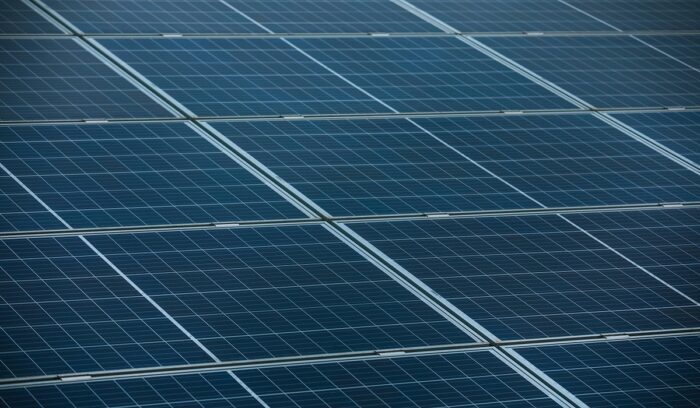
Solar panels installed on a rooftop representing solar power prices and renewable energy options, for article on domestic solar cell production, for article on silicon solar cell

China launches domestic solar cell production in Ningbo and Kaifeng

Solar manufacturing in China began quietly in 1975, when two factories — one in Ningbo, one in Kaifeng — started producing photovoltaic cells for civilian use, drawing on technology first developed for the country’s satellite program. Total installed capacity that year reached just half a kilowatt, a modest seed for what would grow into the world’s largest solar industry.