United States

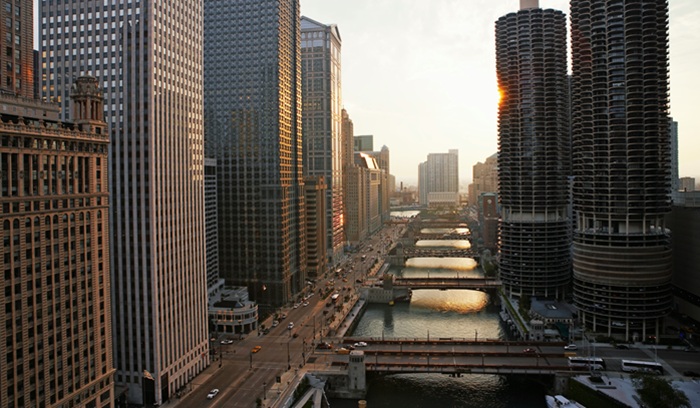
Downtown Chicago and Chicago River

Chicago to hold first open water swim in Chicago River in nearly a century

The Chicago River, once devastated by pollution, has seen a remarkable turnaround, with cleaner water, expanding wildlife, and renewed public confidence. Conservation groups now report diverse fish species, turtles, and birds thriving along the river, while the city prepares for its first open-water swim in nearly a century. Years of effort—ranging from sewage treatment upgrades to floating wetlands and volunteer cleanups—have driven the transformation. Challenges like stormwater overflows remain, but the river’s revival demonstrates what persistent investment, advocacy, and collaboration can achieve.
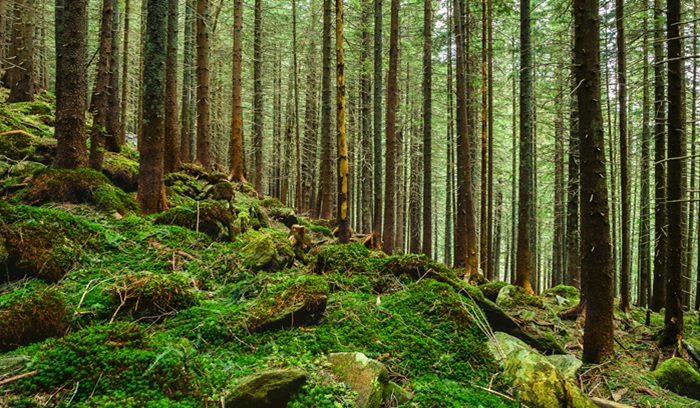
Forest scene

Washington State to conserve 77,000 acres of “legacy forests” on state lands

Washington has announced a landmark step in forest conservation, protecting 77,000 acres of legacy forests across the state. These ecologically rich areas provide critical wildlife habitat, store carbon, and build wildfire resilience. By conserving legacy forests while supporting rural economies, Washington is charting a path toward sustainable forestry and climate resilience.

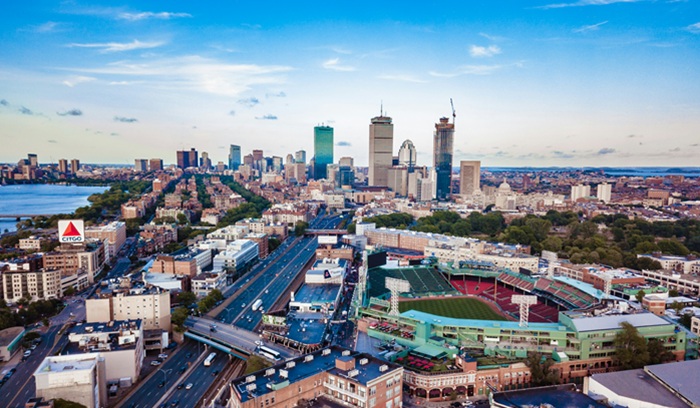
Boston skyline with Fenway Park in foreground

Massachusetts governor signs new shield law for abortion & trans health care

A new shield law in Massachusetts, signed by Governor Maura Healey, has created a legal sanctuary for reproductive and gender-affirming care. The law protects patients and providers from out-of-state legal attacks, including subpoenas and lawsuits. It builds on previous protections for abortion and now extends the same legal safeguards to transgender healthcare. This measure reinforces the state’s commitment to protecting essential, evidence-based medical care in the face of national legislative challenges.

Herd of elk

Colorado is building the ‘world’s largest’ wildlife overpass

Colorado is building one of the world’s largest wildlife overpasses across Interstate 25 between Denver and Colorado Springs. The $15 million Greenland Wildlife Overpass will be 200 feet wide and 209 feet long, giving elk, mule deer, and pronghorn a safe route across six lanes of highway. Designed with natural vegetation and sloped entrances, the structure is expected to cut vehicle-animal collisions by up to 90% while reconnecting 39,000 acres of habitat to Pike National Forest. Scheduled for completion in late 2025, the project shows how infrastructure can reduce accidents and restore ecological connectivity.

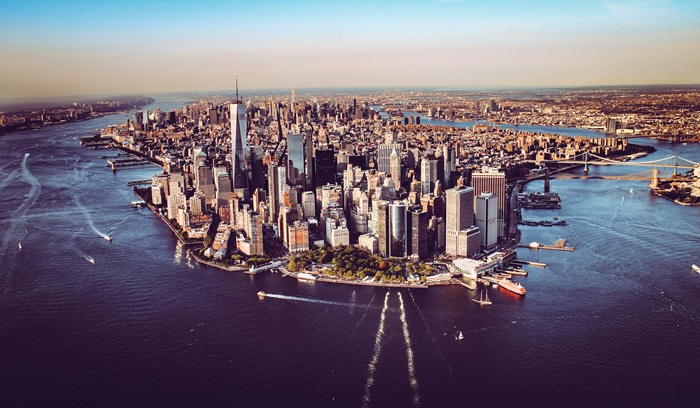
Aerial view of South Manhattan

New York becomes first U.S. state to require all-electric new buildings

Buildings are one of New York’s biggest climate polluters, responsible for nearly a third of the state’s emissions. In 2025, the state finalized the nation’s first statewide gas ban, requiring most new buildings to run on electric systems, with larger ones following in 2029. A federal court upheld the law, clearing the way for implementation. By ending fossil fuel hookups in new construction, New York is cutting a major source of greenhouse gases, improving air quality, and creating a model for other states—pushing the country closer to a future where all buildings help solve the climate crisis, not fuel it.

Good news for public health

U.S. Food & Drug Administration approves world’s first 100% effective HIV prevention drug

The U.S. FDA has approved lenacapavir (Yeztugo), the first HIV prevention shot that’s given just twice a year. In large studies, it was virtually 100% effective—no HIV cases were seen in one trial, and only two cases occurred in another with more than 2,000 people. This long-lasting protection could make it much easier for people to stay protected, especially for those who find taking a daily pill difficult. By reducing the need for frequent dosing, the new treatment has the potential to greatly expand access to HIV prevention and help move the world closer to ending the deadly epidemic that has killed more than 44 million people worldwide since 1981.

Dollar bills and pills, representing medical debt

Arizona erases $429 million in medical debt

Thousands of Arizonans now have a financial burden lifted off their shoulders, Gov. Katie Hobbs announced on Wednesday. According to the Democratic governor, $429 million in medical debt has been erased for more than 352,000 Arizonans as part of a partnership between her administration and national nonprofit Undue Medical Debt. In 2024, Hobbs announced an initiative to erase $2 billion in medical debt for up to one million Arizonans.

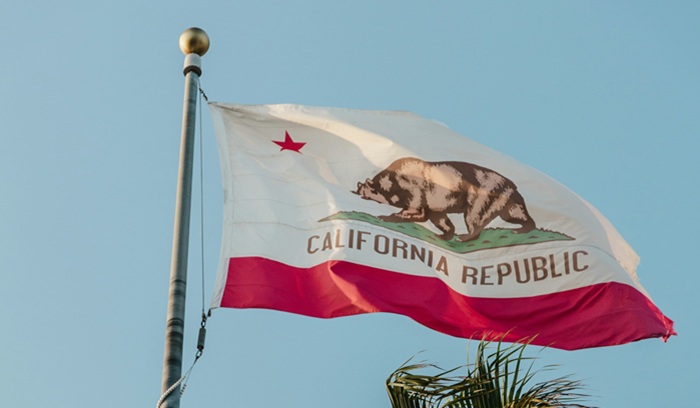
California flag

California becomes world’s largest economy to be powered by two-thirds clean energy

The state released new data showing California’s continued progress toward a clean energy future with 67% of the state’s retail electricity sales in 2023 coming from renewable and zero-carbon electricity generation — compared to just 61% the previous year and around 41% a decade ago. Then, in 2024, the state added a record-breaking 7,000 MW of clean capacity to the grid, the largest single-year increase in clean energy capacity in state history.

Reproductive rights protesters

Wisconsin Supreme Court strikes down state’s 1849 near-total abortion ban

In a 4-3 decision, the court’s liberal majority affirmed a lower court ruling that overturned the 176-year-old ban and left in place a more recent law in Wisconsin allowing most abortions until about the 20th week of pregnancy. As was the case in many states with similar older laws, or newer so-called trigger laws, the ban came back into effect after the U.S. Supreme Court’s decision to strike down Roe v. Wade in 2022. In short order, the decision prompted Planned Parenthood’s Wisconsin operations to suspend abortion services in the state.

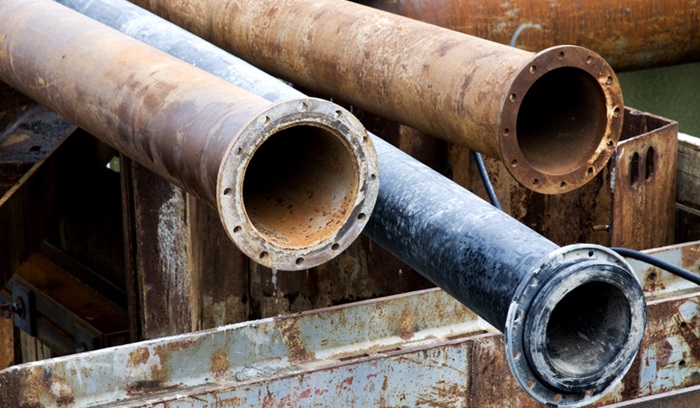
Metal pipes

Flint, Michigan at last replaces corroded pipes after lead crisis

Flint’s lead crisis began in 2014, when the city began drawing water sourced from the Flint River instead of from Lake Huron. The river water was more corrosive than the lake water, and the city failed to take the additional steps needed to prevent lead from leaching into drinking water. In 2017, a federal court ordered the city to replace all lead pipes within three years. Eight years later is the project finally complete. State officials told a federal court this week that the city has excavated more than 28,000 properties in search of lead water lines and replaced nearly 11,000 pipes.