
The world’s first underground railway, the London Underground, opens
The world’s first underground railway, it opened in January 1863 between Paddington and Farringdon in London using gas-lit wooden carriages hauled by steam locomotives.

The world’s first underground railway, it opened in January 1863 between Paddington and Farringdon in London using gas-lit wooden carriages hauled by steam locomotives.

This Act of the Parliament of the United Kingdom expanded the jurisdiction of the Slave Trade Act 1807 and made the purchase or ownership of slaves illegal within the British Empire, with the exception of “the Territories in the Possession of the East India Company.”
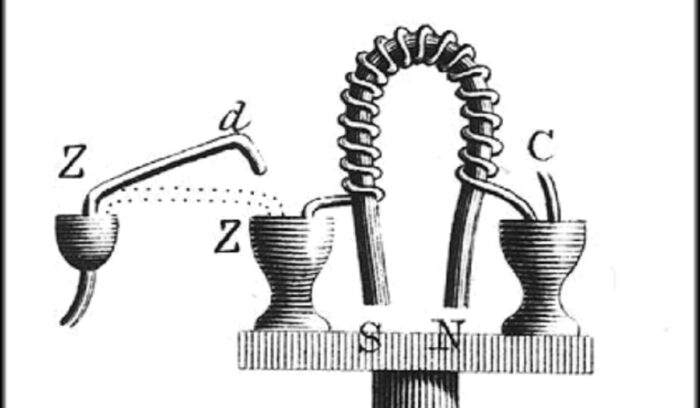
British scientist William Sturgeon invented the electromagnet in 1824. His first electromagnet was a horseshoe-shaped piece of iron that was wrapped with about 18 turns of bare copper wire.

The codification of soccer began in the public schools of Britain at the beginning of the 19th century. Within the private school system “football” was a game in which the hands were used during periods of play and grappling allowed, but otherwise, the modern shape of soccer was being formed.
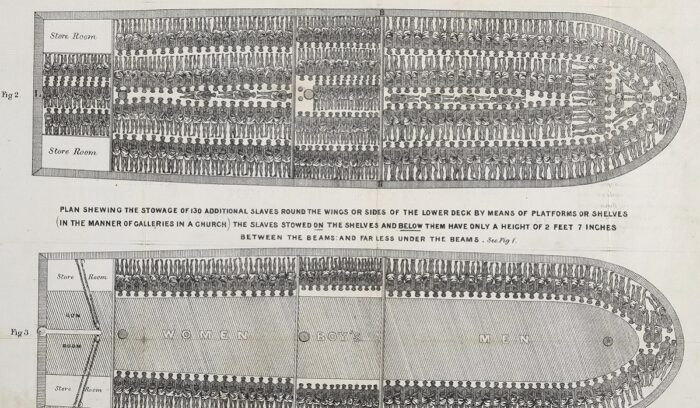
The Royal Navy established the West Africa Squadron in 1808 to patrol the coast of West Africa, and between 1808 and 1860 freed 150,000 Africans aboard slave ships.
In his patent applications, he described the concept of laminating several layers of veneer with glue to form a thicker piece — the first description of what we now call plywood.

In the West, Jenner is often called “the father of immunology”, and his work is said to have “saved more lives than the work of any other human”.
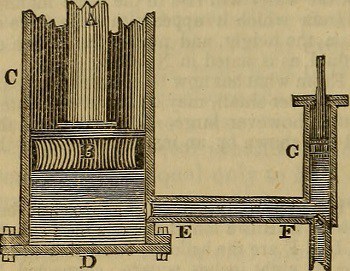
A hydraulic press is a machine press using a hydraulic cylinder to generate a compressive force.

In 1790, the English inventor Thomas Saint invented the first sewing machine design, but he did not successfully advertise or market his invention. His machine was meant to be used on leather and canvas material.

John “Iron-Mad” Wilkinson invented precision boring machine that could bore cast iron cylinders, such as those used in steam engines of James Watt.